

































Sports injuries in the UAE rarely happen in professional stadiums.
They happen in everyday places during a gym workout after work, a football match with friends, a padel game on the weekend, a school sports activity, or even a morning walk in the heat.
One sudden movement is enough.
A foot lands awkwardly.
A muscle tightens unexpectedly.
A shoulder feels sharp pain during lifting.
A knee twists while changing direction.
At first, most people pause and assess. They stretch. They slow down. They tell themselves it’s probably minor.
In the UAE, this reaction is common especially among working professionals and expats who don’t want medical visits unless absolutely necessary. Many people assume rest, ice, or pain relief will be enough. Others hesitate because they’re unsure where to go or whether their insurance will cover the visit.
But the body doesn’t always reveal the full injury immediately.
Heat, adrenaline, and activity can mask pain. Swelling may appear hours later. What feels like a simple strain can gradually turn into stiffness, instability, or difficulty walking. By the next day, movement feels restricted, and simple tasks become uncomfortable.
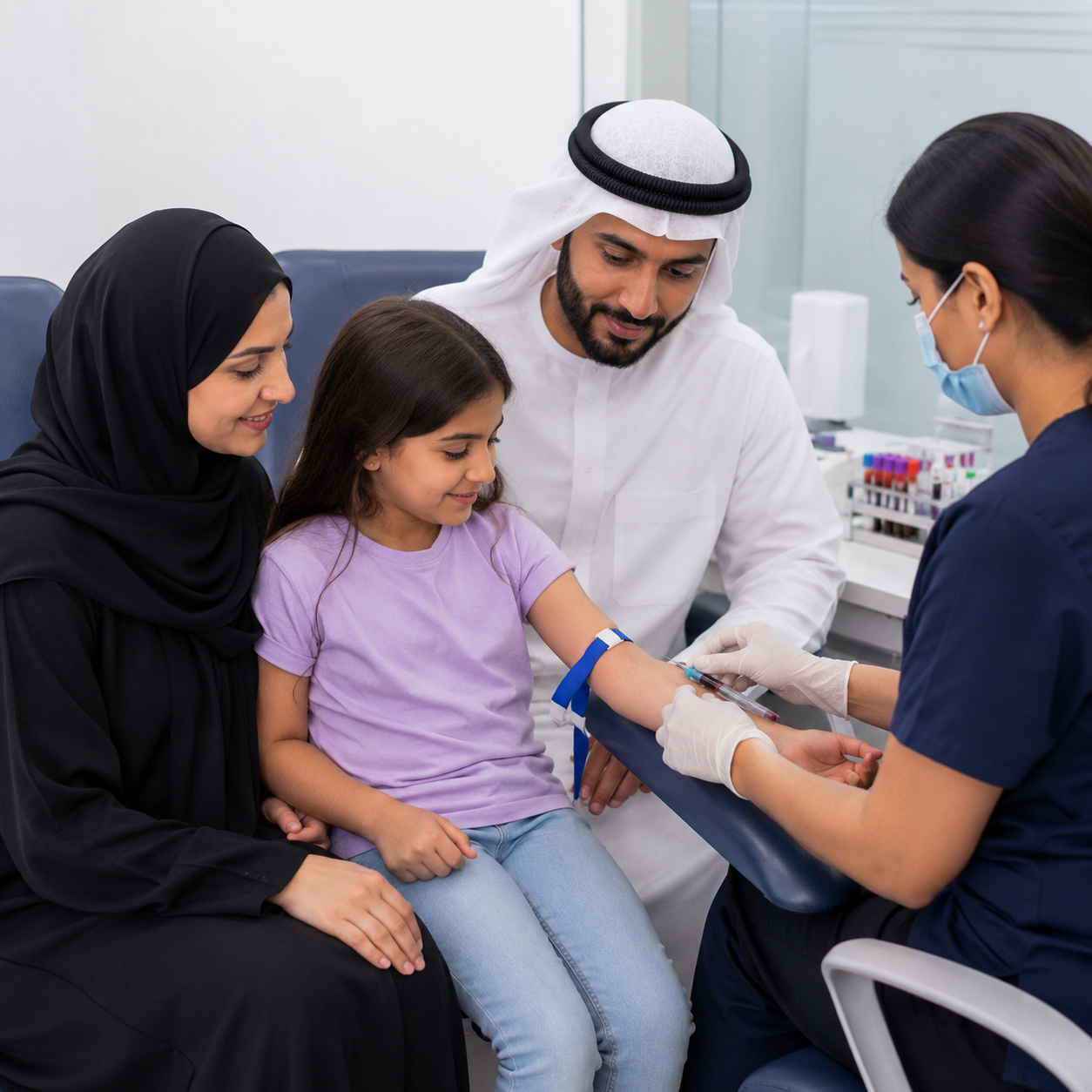
Parents face even more uncertainty. When a child gets injured during school sports or play, it’s hard to tell whether the pain is temporary or something more serious. Children often struggle to explain what they feel. Limping, guarding an arm, or avoiding movement raises concern, but the signs are not always clear.
Adults often delay care for different reasons. Busy work schedules, long hours, and fear of medical costs cause people to wait. Athletes and fitness enthusiasts worry about being told to stop activity. Others simply don’t want to overreact.
This hesitation is understandable but it carries risk.
Sports injuries don’t always worsen loudly. They worsen quietly. Swelling increases. Muscles tighten to protect the injury. Joints become unstable. Small injuries that could heal quickly become persistent problems when ignored.
Pain is not something to push through blindly.
It’s the body’s way of asking for attention.
Early evaluation doesn’t mean something is seriously wrong it means you’re taking the safest step to protect your mobility, comfort, and long-term health.
Why People Delay Sports Injury Care in Dubai & Sharjah and How That Delay Slows Recovery
After the first shock of an injury passes, most people don’t rush to get checked. In Dubai and Sharjah, delay is usually a calculated decision, not neglect.
One of the most common reasons is uncertainty. People are unsure whether their injury is serious enough to justify a clinic visit. There is no visible deformity, no bleeding, and no collapse just pain, stiffness, or swelling that feels tolerable. Many assume it will settle with rest.
Another major factor is work pressure. The UAE has a fast-paced work culture. Office professionals, shift workers, and laborers often feel they cannot afford time away from work. Even athletes and gym-goers delay care because they don’t want restrictions placed on their activity. The mindset is simple: “I’ll see how it feels tomorrow.”
Cost and insurance questions also cause hesitation. Some people are unsure what their plan covers or worry about unexpected expenses. Others believe emergency care is the only option and avoid it altogether unless the injury feels severe. This confusion leads to waiting sometimes for days.
Parents face a different challenge. When a child gets injured during school sports or play, the symptoms are not always clear. Children may continue playing, then complain later. Limping comes and goes. Parents hope it’s just a bruise and decide to monitor at home. Unfortunately, children are especially prone to hiding pain, and delays can affect proper healing.
The problem with waiting is that sports injuries rarely improve through guessing.
Swelling tends to increase before it decreases. Muscles tighten to protect injured areas, leading to stiffness. Ligaments that are stressed but unsupported can worsen. Minor fractures can shift. Tendon inflammation becomes harder to calm once it settles in.
By the time many patients seek care, they are no longer dealing with a fresh injury. They are dealing with a progressed injury one that now limits movement, sleep, or daily function. Recovery becomes longer, and frustration builds.
Another hidden risk of delay is compensation. When one part of the body hurts, people subconsciously change how they move. They place stress on other joints and muscles. This is how ankle injuries lead to knee pain, or shoulder injuries lead to neck and back issues. What started as one injury becomes several.
Early evaluation is not about overreacting. It’s about clarity.
Knowing whether an injury is muscular, joint-related, tendon-based, or involving bone allows proper decisions to be made early before the body adapts in harmful ways.
In the UAE, where people value productivity and active lifestyles, timely care protects both.
Sports Injuries Treated at Chughtai Clinic Dubai and When Imaging Is Needed
Once pain, swelling, or limited movement doesn’t improve, the next concern is practical: what kind of injury is this, and can a clinic handle it safely?
For many patients across Dubai and Sharjah, the answer is yes.
Sports injuries commonly seen after gym workouts, football, padel, cricket, school sports, or recreational activity are non-life-threatening but still require proper assessment. These injuries interfere with walking, lifting, training, or even sleeping comfortably. Ignoring them often leads to longer recovery and repeated problems.
One of the most frequent injuries is an ankle sprain. It usually follows a sudden twist or awkward landing. The ankle swells, feels unstable, and hurts when weight is applied. Some sprains are mild, but others involve ligament damage that needs support and clear guidance. Continuing to walk or exercise on an untreated sprain increases the chance of re-injury and chronic instability.
Muscle strains are another common issue, especially involving the hamstrings, calves, lower back, or shoulders. A sudden pull or tightening sensation may feel manageable at first, but stiffness and pain often increase within hours. Stretching or pushing through pain can worsen the injury and slow healing if the strain isn’t assessed early.
Knee injuries cause particular concern because knees carry body weight and absorb impact. Pain, swelling, stiffness, or a feeling that the knee might give way should never be ignored. Mild ligament injuries, overuse inflammation, or soft-tissue trauma can often be evaluated and stabilized at a clinic before they become more serious.
Shoulder pain after sports or gym activity is also common, especially from lifting, throwing, or repetitive movement. Difficulty raising the arm, weakness, or pain with rotation can indicate strain or tendon irritation. Early assessment helps prevent long-term stiffness and loss of function.
Tendon inflammation develops gradually and is often ignored until simple movements become painful. Without rest and proper management, tendon injuries can linger for months and limit activity.
There are also minor fractures one of the most misunderstood injuries. Small breaks may not look dramatic and can feel similar to sprains at first. Swelling and pain may be present without obvious deformity. This is where imaging becomes important. When symptoms suggest deeper injury, on-site X-ray imaging helps confirm whether a bone is involved and guides the safest next steps immediately.
Imaging isn’t required for every injury. It’s used when pain patterns, swelling, or reduced function indicate the possibility of bone injury. Clear answers reduce anxiety and prevent unnecessary delays.
The goal of evaluation is simple: identify the injury accurately, protect the affected area, and guide recovery safely. Knowing what’s wrong allows patients to make confident decisions about rest, activity, and follow-up care.
What Happens During a Sports Injury Visit at Chughtai Clinic Dubai
Many patients delay care because they imagine a rushed visit or unclear answers. A sports injury visit is neither. It is focused, methodical, and designed to give clarity without unnecessary steps.
From the moment you arrive, the goal is to understand how the injury happened. Details matter. A twist, a fall, a sudden stop, or repeated movement can point to very different causes even if the pain feels similar. Explaining what you were doing at the time helps guide the entire evaluation.
The clinical assessment comes next. The provider examines the injured area for swelling, tenderness, stability, strength, and range of motion. Movements are checked carefully and compared with the uninjured side. This hands-on exam helps distinguish between muscle strain, ligament injury, tendon irritation, joint involvement, or possible bone injury.
If symptoms suggest deeper damage such as significant swelling, difficulty bearing weight, or localized bone tenderness/imaging may be recommended. On-site X-rays allow answers the same day. This avoids waiting days for appointments and removes uncertainty quickly. For parents, this step often provides immediate reassurance when a child has been injured during sports or play.
Pain management is addressed with purpose. The aim is not simply to reduce discomfort, but to protect healing. Depending on the injury, this may include supportive bracing, splinting, or compression to stabilize movement and prevent further strain.
Clear guidance is a core part of the visit. Patients are told what activities to avoid, what movements are safe, and how to manage swelling and discomfort at home. Instructions are practical and realistic, taking into account work schedules, school commitments, and daily responsibilities.
If follow-up care is needed, it is explained plainly. Some injuries heal fully with rest and time. Others benefit from physical therapy or specialist input. Knowing this early prevents confusion and repeated injury.
Most importantly, patients leave understanding what happened to their body and what to do next. That clarity reduces anxiety and restores confidencetwo things that pain often takes away.
A proper sports injury evaluation is not about slowing you down.
It’s about helping you recover safely and return to activity with confidence.
Recovery, Prevention, and Knowing When to Seek Care Again
The evaluation is only the beginning. What truly determines the outcome of a sports injury is how recovery is handled afterward.
In Dubai and across the UAE, many people return to activity as soon as pain eases. This is understandable: busy work schedules, fitness goals, and family responsibilities make rest feel inconvenient. But pain relief does not always mean healing is complete. Returning too soon is one of the main reasons injuries become chronic.
Recovery Is a Process, Not a Pause
After a sports injury, the body needs time to repair tissue and restore stability. This usually involves:
Allowing the injured area to rest from stress
Managing swelling and inflammation properly
Using braces or supports as advised
Gradually restoring movement and strength
Ignoring these steps can lead to stiffness, weakness, and repeated injury.
Returning to Activity Safely
A safe return to sports or exercise happens in stages:
Normal daily movement without pain or swelling
Light activity that does not worsen symptoms
Gradual increase in intensity, paying attention to how the body responds
Full return only when strength, balance, and confidence feel restored
Skipping stages often leads to setbacks. Many patients re-injure themselves not because the injury was severe but because recovery was rushed.
Why Prevention Matters
Sports injuries often repeat themselves. Ankles that weren’t supported properly, knees that never regained stability, shoulders that stayed tight, these problems tend to return months later.
Simple preventive habits make a big difference:
Respect early pain signals
Warm up before activity and cool down afterward
Use proper footwear and equipment
Avoid pushing through instability or sharp pain
Seek evaluation if pain lingers beyond a few days
Prevention is not about limiting activity it’s about protecting long-term mobility.
When You Should Return for Evaluation
You should seek re-evaluation if:
Pain increases instead of improving
Swelling does not reduce after several days
Movement becomes more limited
You feel weakness or instability
A child continues to limp or avoid using a limb
These signs suggest healing may not be progressing as expected and need reassessment.
The Bigger Picture
Sports injuries affect more than muscles and joints. They disrupt routines, confidence, and quality of life. Timely care, clear guidance, and proper recovery help people stay active without long-term consequences.
Taking care of an injury once and taking care of it correctly prevents years of unnecessary discomfort.
Call to Action – Chughtai Clinic Dubai
If a sports injury is causing pain, swelling, or limiting your movement, don’t wait for it to worsen.
Chughtai Clinic Dubai provides same-day evaluation for sports injuries, including thorough examinations and on-site imaging when needed. Early assessment helps prevent complications and supports a safer, faster recovery.
Walk in when the injury happensclarity today protects your mobility tomorrow.
Medical Disclaimer
This content is for general informational purposes only and does not replace professional medical advice, diagnosis, or treatment. Every sports injury is different, and symptoms can vary based on the individual and severity of the injury.
Always consult a qualified healthcare professional for personalized medical guidance. If you experience severe pain, significant swelling, numbness, deformity, or signs of a medical emergency, seek immediate emergency care.