
 BOOK AN APPOINTMENT
PCOS vs PCOD Dubai: Key Differences & Treatment 2026
PCOS vs PCOD in Dubai: The Complete 2026 Guide to Differences, Symptoms, Diagnosis, Treatment & Cost
Written & Reviewed by Dr. Shabana Muzaffar
Consultant Obstetrician & Gynecologist · Chughtai Clinic Dubai Healthcare City · Building 47, DHCC Dubai UAE · PCOS & Women's Health Specialist
DHA Licensed — Verified SpecialistIf you have been researching PCOS and PCOD in Dubai, you have almost certainly noticed these two terms used interchangeably by clinics, on health forums, even sometimes by general practitioners. This confusion is not harmless. PCOS (Polycystic Ovary Syndrome) and PCOD (Polycystic Ovarian Disease) are related but fundamentally different conditions with different severity, different long-term health risks, different treatment approaches, and different implications for fertility. Treating one as if it were the other can mean years of inadequate management.
In the UAE, where polycystic ovary-related conditions affect an estimated 15–18% of women of reproductive age significantly higher than the global average this confusion has real consequences for thousands of women navigating irregular periods, hormonal imbalance, unwanted hair growth, acne, weight management difficulties, and fertility challenges in Dubai's demanding lifestyle environment.
This comprehensive guide written by Dr. Shabana Muzaffar, consultant OB-GYN at Chughtai Clinic Dubai Healthcare City provides the most detailed comparison of PCOS and PCOD available for UAE women: exact definitions, symptom differences, diagnostic criteria, treatment protocols, diet plans, fertility guidance, and specialist women's health care costs in Dubai 2026.
PCOD is a common ovarian condition where immature eggs accumulate as cysts due to hormonal imbalance milder, often reversible with lifestyle changes. PCOS is a complex metabolic and endocrine syndrome with elevated androgens, insulin resistance, disrupted ovulation, and broader health implications. PCOS is more serious and requires structured medical management. Both are diagnosed and treated at Chughtai Clinic Dubai: +971 52 619 8738
- PCOD Full Definition & Explanation
- PCOS Full Definition & Explanation
- PCOS vs PCOD Master Comparison
- Symptoms What Each Condition Feels Like
- Can PCOD Turn Into PCOS?
- Diagnosis How Both Are Identified in Dubai
- PCOS & PCOD in Dubai UAE-Specific Factors
- Treatment for PCOS in Dubai
- Treatment for PCOD in Dubai
- PCOS Diet Plan Dubai Complete Guide
- PCOS and Pregnancy Fertility Guide Dubai
- Long-Term Health Risks
- PCOS Treatment Costs Dubai 2026
- Insurance Coverage UAE
- Frequently Asked Questions
1. What Is PCOD? Polycystic Ovarian Disease Explained
PCOD (Polycystic Ovarian Disease), also referred to as polycystic ovarian syndrome in some older literature, is a condition in which the ovaries produce a larger than normal number of partially matured or immature eggs. These eggs accumulate in the ovaries and over time form fluid-filled cysts. The ovaries become enlarged and continue to produce excess male hormones (androgens), leading to the characteristic symptoms of irregular periods, acne, and unwanted hair growth.
PCOD is primarily a condition of the ovaries it is driven largely by hormonal imbalance and lifestyle factors including poor diet, lack of physical activity, stress, and weight gain. Unlike PCOS, PCOD does not fundamentally impair ovulation in most cases, and many women with PCOD can conceive naturally with minimal intervention.
Key Characteristics of PCOD
- Ovaries produce immature or partially mature eggs that accumulate as cysts
- Relatively common affects up to 1 in 3 women in some populations
- Often triggered or worsened by lifestyle factors diet, stress, weight
- Ovulation usually present but may be irregular
- Fertility generally preserved many women with PCOD conceive without assistance
- Androgen elevation is milder than in PCOS
- Responds well to lifestyle modification alone in many cases
- Does not typically involve significant insulin resistance
PCOD is often reversible with lifestyle changes. Women in Dubai who improve their diet, increase physical activity, reduce stress, and maintain a healthy weight frequently see significant improvement in PCOD symptoms including restoration of regular menstrual cycles without requiring medication.
2. What Is PCOS? Polycystic Ovary Syndrome Explained
PCOS (Polycystic Ovary Syndrome) is a complex endocrine and metabolic disorder not simply an ovarian condition that affects multiple body systems simultaneously. It is characterised by a triad of features: hyperandrogenism (elevated male hormones), ovulatory dysfunction (irregular or absent ovulation), and polycystic ovarian morphology (multiple follicles visible on ultrasound). However, a woman need not have all three to be diagnosed this is a common misconception.
PCOS involves significant insulin resistance, chronic low-grade inflammation, and disruption to the hypothalamic-pituitary-ovarian axis the hormonal communication pathway between the brain and the ovaries. This is why PCOS carries broader metabolic health implications beyond reproductive health, including elevated risk of Type 2 diabetes, cardiovascular disease, and endometrial conditions.
PCOS is officially recognised as a metabolic syndrome by the WHO, the European Society of Human Reproduction and Embryology (ESHRE), and the American College of Obstetricians and Gynecologists (ACOG) all of which guide PCOS management protocols in Dubai's DHA-regulated healthcare system.
Key Characteristics of PCOS
- Complex endocrine syndrome affects ovaries, adrenal glands, metabolism, and brain hormonal axes
- Elevated androgen levels testosterone, DHEA-S causing more severe symptoms
- Insulin resistance in 70% of cases driving weight gain, acne, and hormonal disruption
- Ovulation often absent or severely irregular primary cause of PCOS-related infertility
- More severe fertility implications medical intervention typically required
- Does not resolve with lifestyle changes alone in most cases medication usually needed
- Long-term health risks including Type 2 diabetes, cardiovascular disease, endometrial hyperplasia
- Diagnosed using Rotterdam Criteria requires meeting 2 of 3 specific clinical features
PCOS is a lifelong condition that does not disappear after puberty or with pregnancy. It requires ongoing management and regular monitoring for associated metabolic conditions. However, with the right treatment plan, the vast majority of women with PCOS in Dubai lead healthy, fulfilling lives and can conceive successfully.
3. PCOS vs PCOD The Master Comparison
This is the most comprehensive PCOS vs PCOD comparison table for UAE and Dubai women covering every clinically relevant difference between polycystic ovary syndrome and polycystic ovarian disease.
PCOD
PCOS
| Feature | PCOD | PCOS |
|---|---|---|
| Full Name | Polycystic Ovarian Disease | Polycystic Ovary Syndrome |
| Classification | Ovarian Condition | Endocrine / Metabolic Syndrome |
| Prevalence in UAE | ~30% of women (common) | ~15–18% of women (higher than global) |
| Primary Cause | Hormonal imbalance + lifestyle | Genetic + insulin resistance + androgen excess |
| Androgen Levels | Mildly elevated | Significantly elevated (testosterone, DHEA-S) |
| Ovulation | Irregular but usually present | Absent or severely irregular (anovulation) |
| Insulin Resistance | Less common | Present in ~70% of cases |
| Menstrual Cycle | Irregular delayed or skipped periods | Often absent for months (oligomenorrhea / amenorrhea) |
| Weight Gain | Common but not universal | Very common linked to insulin resistance |
| Acne | Mild to moderate | Moderate to severe jaw and back acne |
| Hirsutism (Excess Hair) | Mild facial hair | More pronounced facial, chest, abdomen |
| Hair Loss (Scalp) | Possible | More common male pattern thinning |
| Fertility Impact | Mild most conceive naturally | Significant leading cause of anovulatory infertility |
| Ultrasound Findings | Multiple cysts in ovaries | Multiple small follicles + enlarged ovarian volume |
| Blood Test Markers | Mildly elevated androgens | Elevated LH, testosterone, AMH; insulin resistance markers |
| Mood and Mental Health | Mild anxiety, mood swings | Higher risk of anxiety, depression, body image issues |
| Long-Term Risks | Lower manageable with lifestyle | Type 2 diabetes, cardiovascular disease, endometrial cancer risk |
| Treatment Approach | Lifestyle first; medication if needed | Medication + lifestyle + long-term monitoring |
| Is It Reversible? | Often yes | Lifelong managed, not cured |
4. PCOS and PCOD Symptoms What Each Condition Feels Like
Many symptoms of polycystic ovary syndrome and polycystic ovarian disease overlap which is precisely why so many Dubai women receive the wrong diagnosis or find it difficult to distinguish between the two conditions without specialist assessment. The key differences lie in severity, pattern, and metabolic involvement.
Symptom severity varies significantly between individuals. Clinical diagnosis is essential self-diagnosis based on symptoms alone is not reliable. Always consult a DHA-licensed gynecologist.
Understanding the Overlap Why Women Get Confused
Both PCOS and PCOD involve ovaries with multiple cysts on ultrasound, elevated androgen levels, irregular menstruation, and weight management difficulties. However, the severity and underlying mechanism differ significantly. A woman with PCOD may have only one or two symptoms perhaps delayed periods and mild acne. A woman with PCOS typically has multiple symptoms that are more pronounced, persistent, and resistant to simple lifestyle changes.
In Dubai's clinical setting, Dr. Shabana Muzaffar sees many patients who have been told "you have PCOS" based on an ultrasound showing cysts without the full hormonal panel, clinical assessment, and Rotterdam Criteria evaluation that a proper diagnosis requires. An ultrasound finding of ovarian cysts alone does not confirm PCOS.
5. Can PCOD Turn Into PCOS? The Relationship Explained
This is one of the most commonly searched questions by women in Dubai and the UAE: "If I have PCOD, will it become PCOS?" The short answer is that PCOD does not directly "convert" into PCOS they are distinct conditions. However, the relationship between them is more nuanced than a simple yes or no.
PCOD and PCOS share some underlying hormonal pathways. If PCOD is left untreated particularly if combined with worsening insulin resistance, significant weight gain, poor diet, and chronic stress the hormonal environment can deteriorate to a point where the clinical picture begins to more closely resemble PCOS. This is not a transformation but a progression of hormonal dysfunction. Early treatment of PCOD significantly reduces this risk.
Factors That Can Worsen PCOD Toward PCOS-Like Presentation
- Unmanaged weight gain increases insulin resistance, driving androgen production higher
- Chronic psychological stress elevates cortisol, which disrupts hormonal axes
- Poor diet high refined carbohydrate intake worsens insulin sensitivity
- Physical inactivity exacerbates metabolic dysfunction
- Sleep deprivation disrupts cortisol and sex hormone regulation
- Ignoring symptoms delayed diagnosis means longer-term hormonal disruption
The key message for Dubai women: early intervention with PCOD prevents progression. Getting a proper diagnosis from a DHA-licensed gynecologist like Dr. Shabana Muzaffar at Chughtai Clinic, understanding your hormonal profile, and taking appropriate lifestyle action is the most effective protective measure.
6. How PCOS and PCOD Are Diagnosed in Dubai
Accurate diagnosis of both polycystic ovary syndrome and polycystic ovarian disease in Dubai requires a comprehensive clinical assessment not simply an ultrasound. Many women in the UAE are given an incorrect diagnosis because ovarian cysts on ultrasound are incorrectly equated with PCOS without the full clinical picture.
Diagnostic Process at Chughtai Clinic Dubai
Detailed Menstrual and Clinical History
Dr. Shabana Muzaffar begins with a thorough review of your menstrual history cycle length, regularity, flow, and any periods of amenorrhea (missed periods). Symptom onset, weight changes, acne pattern, hair changes, and family history of PCOS or diabetes are all recorded.
Physical Examination
Clinical signs of hyperandrogenism are assessed hirsutism (using the modified Ferriman-Gallwey score), acne severity, scalp hair density, and skin changes including acanthosis nigricans (darkening in skin folds a sign of insulin resistance).
Hormonal Blood Panel
A comprehensive hormonal blood test is ordered on Day 2–5 of the menstrual cycle where possible. This includes: FSH, LH (and LH:FSH ratio), total testosterone, free testosterone, DHEA-S, SHBG, prolactin, thyroid function (TSH, free T4), fasting insulin and glucose, AMH (Anti-Müllerian Hormone), HbA1c, lipid profile, and vitamin D. This panel distinguishes PCOS from PCOD and from other conditions that mimic both.
Pelvic Ultrasound Transvaginal or Transabdominal
A pelvic ultrasound assesses ovarian morphology follicle count, follicle size distribution, and ovarian volume. PCOS is associated with 20+ follicles per ovary (using current ESHRE 2024 criteria) and/or increased ovarian volume above 10ml. Ultrasound findings alone are insufficient to diagnose PCOS without the hormonal and clinical picture.
Rotterdam Criteria Application (PCOS)
For PCOS diagnosis, a patient must meet at least 2 of 3 Rotterdam Criteria: (1) irregular/absent ovulation, (2) clinical or biochemical hyperandrogenism, (3) polycystic ovarian morphology on ultrasound. PCOD diagnosis is made when ovarian cysts are present without meeting the full clinical threshold for PCOS.
Before confirming PCOS, a thorough gynecologist will rule out: thyroid disorders (hypothyroidism and hyperthyroidism), hyperprolactinaemia (elevated prolactin), late-onset congenital adrenal hyperplasia, Cushing's syndrome, and androgen-secreting tumours. All of these conditions produce similar symptoms to PCOS but require completely different treatments.
7. PCOS and PCOD in Dubai UAE-Specific Lifestyle Factors
Dubai and the wider UAE present a unique combination of environmental, dietary, and lifestyle factors that contribute to higher rates of PCOS and PCOD compared to many other regions. Understanding these context-specific drivers is essential for effective management which is why Dr. Shabana Muzaffar at Chughtai Clinic Dubai Healthcare City tailors management plans specifically to Dubai's lifestyle context.
Dubai's lifestyle environment creates conditions where hormonal disorders are more prevalent. The good news: these are modifiable factors lifestyle changes produce dramatic improvements in PCOS/PCOD management.
Why PCOS Affects Dubai's Expat Community Disproportionately
Beyond the general population, Dubai's large South Asian expatriate community women from Pakistan, India, Bangladesh, and Sri Lanka faces an elevated genetic predisposition to insulin resistance and metabolic syndrome. Combined with Dubai's sedentary lifestyle, high-carbohydrate cultural diets (biryani, bread-based meals, sweet chai, fresh juices), and work-related stress, this population experiences PCOS at particularly high rates. Dr. Shabana Muzaffar at Chughtai Clinic provides culturally sensitive, contextually appropriate dietary and lifestyle guidance tailored to South Asian and Middle Eastern food patterns.
8. PCOS Treatment in Dubai Complete Management Protocol
PCOS treatment in Dubai is guided by international evidence-based protocols primarily ESHRE/ASRM International Guidelines for PCOS Assessment and Management adapted to the DHA regulatory framework. At Chughtai Clinic, treatment is personalised based on the patient's specific PCOS phenotype, primary concerns (menstrual regulation, fertility, skin, weight, or metabolic health), and clinical findings.
| Treatment Goal | First-Line Treatment | Second-Line / Adjunct | Notes |
|---|---|---|---|
| Menstrual Regulation | Combined oral contraceptive pill (OCP) | Progesterone-only pill, hormonal IUD | Regulates cycle, reduces androgen-related symptoms |
| Hirsutism / Acne | Combined OCP (anti-androgenic) | Spironolactone, Cyproterone acetate | 6+ months for visible hair growth change |
| Insulin Resistance / Metabolic | Metformin + lifestyle modification | Inositol (Myo-inositol + D-chiro) | Reduces insulin, improves ovulation frequency |
| Ovulation Induction (Fertility) | Letrozole (first-line) | Clomiphene citrate, FSH injections | Monitored with serial ultrasound |
| Weight Management | 5–10% body weight reduction | GLP-1 agonists in some cases | Even modest weight loss restores ovulation |
| Psychological Wellbeing | CBT, lifestyle support | SSRI referral if needed | Anxiety and depression rates higher in PCOS |
| Long-term Metabolic Monitoring | Annual fasting glucose, HbA1c, lipids | Cardiovascular risk assessment | Diabetes prevention is key long-term goal |
9. PCOD Treatment in Dubai Management Approach
PCOD treatment in Dubai takes a lifestyle-first approach which is both good news and important news. Unlike PCOS, which typically requires long-term medication management, PCOD often responds dramatically to dietary modification, increased physical activity, stress reduction, and sleep improvement. Many women with PCOD who implement structured lifestyle changes see their menstrual cycles regulate, acne improve, and hormonal markers normalise within 3–6 months.
- Weight management 5–10% weight reduction if overweight significantly improves hormonal balance and menstrual regularity
- Low-glycemic diet reducing refined carbohydrates, sugar, and processed food normalises insulin and reduces androgen production
- Regular exercise 150 minutes of moderate aerobic activity per week plus strength training improves insulin sensitivity
- Stress management cortisol dysregulation worsens hormonal imbalance; mindfulness, adequate sleep, and work-life boundaries help
- Oral contraceptive pill prescribed when menstrual regulation is needed or acne/hirsutism is significant
- Hormonal therapy progesterone or combined OCP to regulate endometrial health if periods are very infrequent
- Monitoring annual review of hormonal panel and ultrasound to ensure PCOD is not progressing
10. PCOS Diet Plan for Dubai Women What to Eat and What to Avoid
Diet is the single most impactful lifestyle intervention for both PCOS and PCOD. The dietary approach targets the root metabolic driver: insulin resistance. By stabilising blood sugar through low-glycemic eating, the body produces less insulin which in turn reduces androgen production, improves ovulation, and alleviates many of the most distressing symptoms including acne, hirsutism, weight gain, and cycle irregularity.
At Chughtai Clinic Dubai, Dr. Shabana Muzaffar works alongside the Nutrition and Dietetics department to provide culturally appropriate dietary guidance specifically designed for Dubai's diverse women taking into account South Asian, Middle Eastern, and other dietary traditions.
Low-glycaemic eating is the most evidence-based dietary intervention for PCOS and PCOD. It reduces insulin levels, decreases androgen production, and improves menstrual regularity.
Best PCOS/PCOD Foods Dubai-Friendly
Avoid or Minimise PCOS Triggers in Dubai
PCOS and Ramadan Fasting Dubai-Specific Guidance
For Muslim women with PCOS or PCOD in Dubai, Ramadan fasting presents specific management considerations. Intermittent fasting during Ramadan can actually improve insulin sensitivity in PCOS but the timing and composition of Iftar and Suhoor meals significantly determine whether fasting helps or harms hormonal balance.
- Suhoor prioritise protein, healthy fats, and complex carbohydrates to stabilise blood sugar through the fasting hours
- Iftar break the fast with dates and water as tradition, then protein and vegetables before reaching for carbohydrates
- Avoid large quantities of fried foods, sweets, and high-sugar drinks common at Iftar gatherings
- Stay hydrated dehydration worsens cortisol and hormonal balance during non-fasting hours
- Discuss your PCOS medication schedule (particularly Metformin) with Dr. Shabana Muzaffar before Ramadan
11. PCOS, PCOD and Pregnancy in Dubai Fertility Guide
"Can I get pregnant with PCOS?" is the most emotionally loaded question Dr. Shabana Muzaffar hears from patients at Chughtai Clinic. The answer for the vast majority of women with both PCOS and PCOD is yes, with appropriate support.
PCOS is the most common cause of anovulatory infertility but it is also one of the most treatable causes of infertility. Most women with PCOS who receive appropriate medical care go on to have successful pregnancies. PCOD rarely significantly impairs fertility. Do not delay seeking assessment if you are trying to conceive.
PCOD Pregnancy Outlook
Most women with PCOD conceive naturally with lifestyle optimisation. Ovulation is usually present, though irregular. Weight management and dietary improvements often restore regular cycles within 3–6 months, enabling natural conception. Fertility treatment is rarely needed for PCOD alone.
Lifestyle Optimisation First
Even 5–10% weight reduction in overweight PCOS patients restores ovulation in a significant proportion. Diet, exercise, and stress management are always first-line. This is tried for 3–6 months before proceeding to medication.
Ovulation Induction Letrozole
Letrozole (an aromatase inhibitor) is the first-line medication for ovulation induction in PCOS now preferred over Clomiphene based on ESHRE 2024 guidelines. It is taken orally on Days 2–6 of the cycle. Ovulation is confirmed by serial ultrasound monitoring.
Metformin Support
Metformin improves insulin sensitivity and enhances the effectiveness of ovulation induction in insulin-resistant PCOS. It is often used alongside Letrozole and may be continued into the first trimester to reduce miscarriage risk.
Ultrasound Monitoring
Once on ovulation induction, follicle growth is tracked via serial transvaginal ultrasound. This confirms ovulation is occurring and allows optimal timing of conception or insemination.
IVF Referral if Needed
If multiple cycles of ovulation induction are unsuccessful, referral for IVF is discussed. Women with PCOS generally respond well to IVF stimulation but require careful protocols to avoid OHSS (ovarian hyperstimulation syndrome). Dr. Shabana Muzaffar will refer to a trusted fertility specialist when needed.
Pregnancy Monitoring with PCOS What to Expect
Once pregnant with PCOS, certain complications have a higher prevalence and should be monitored proactively throughout the pregnancy:
| Risk | Reason | Monitoring in Dubai |
|---|---|---|
| Gestational Diabetes | Pre-existing insulin resistance worsens in pregnancy | Early glucose tolerance test (GTT) at 16 weeks + repeat at 24–28 weeks |
| Pregnancy-Induced Hypertension | Metabolic and vascular PCOS effects | Regular BP monitoring from first trimester |
| Miscarriage (First Trimester) | Hormonal imbalance; insulin resistance | Early viability scan; Metformin continuation discussed |
| Preterm Birth | Slightly elevated risk in PCOS studies | Regular growth scans; progesterone support discussed |
| Large Baby (Macrosomia) | Insulin resistance affects fetal growth | Third trimester growth scans; glucose management |
12. Long-Term Health Risks Why PCOS Needs Lifelong Management
PCOS is not just a reproductive condition it has significant long-term metabolic and cardiovascular health implications that make ongoing management essential even in post-reproductive years. Understanding these risks is one of the most important reasons to take PCOS seriously beyond the immediate concerns of periods and fertility.
Type 2 Diabetes
Women with PCOS have a 3–7x higher risk of developing Type 2 diabetes. Insulin resistance present in 70% of PCOS cases is the primary driver. Annual HbA1c monitoring is essential.
Cardiovascular Disease
Elevated androgens, insulin resistance, and dyslipidaemia (abnormal cholesterol) increase cardiovascular risk. Annual lipid panel and blood pressure monitoring recommended from age 40.
Endometrial Hyperplasia
Infrequent periods mean the uterine lining is not shed regularly increasing risk of endometrial thickening and, in some cases, endometrial cancer. Regular menstruation must be maintained.
Sleep Apnoea
Women with PCOS have a significantly higher prevalence of obstructive sleep apnoea driven by obesity and hormonal factors. Often undiagnosed.
Mental Health
PCOS carries a significantly elevated risk of anxiety, depression, and body dysmorphia driven by the visible symptoms of hirsutism, acne, and weight changes. Psychological support is an important part of comprehensive PCOS care.
PCOD Risks (Lower)
PCOD carries lower long-term health risks than PCOS. If well-managed, most women with PCOD do not develop significant metabolic complications. Irregular cycles should still be monitored to protect endometrial health.
13. PCOS and PCOD Treatment Costs in Dubai 2026
All prices in AED, Dubai market 2026. Insurance coverage significantly reduces out-of-pocket costs. Contact Chughtai Clinic for pre-authorisation assistance.
14. Insurance Coverage for PCOS/PCOD in Dubai UAE
Most UAE health insurance plans cover PCOS and PCOD diagnosis and treatment as a standard gynaecological condition. Key coverage considerations for Dubai residents:
| Insurance Plan | PCOS Consultation | Blood Tests | Ultrasound | Fertility Treatment |
|---|---|---|---|---|
| Daman (Basic) | Usually covered | Usually covered | Partial | Rarely covered |
| Daman (Enhanced) | Covered | Covered | Covered | Limited check plan |
| AXA / Cigna (Corporate) | Covered | Covered | Covered | Varies by plan |
| MetLife / MedNet | Usually covered | Usually covered | Varies | Usually excluded |
| NAS / NextCare | Covered with pre-auth | Partial | Partial | Excluded |
PCOS is typically covered under gynaecology specialty. Fertility treatment (ovulation induction, IVF) is often separately excluded or has annual sub-limits. Contact Chughtai Clinic at +971 52 619 8738 to verify your specific coverage before booking the team handles pre-authorisation directly. See our insurance partners page for detailed information.
Book Your PCOS or PCOD Consultation in Dubai
Dr. Shabana Muzaffar — Consultant OB-GYN · DHA Licensed · Chughtai Clinic Dubai Healthcare City
Same-day appointments · Insurance accepted · Culturally sensitive care for all backgrounds
Frequently Asked Questions PCOS vs PCOD Dubai
PCOD (Polycystic Ovarian Disease) is an ovarian condition where immature eggs accumulate as cysts due to hormonal imbalance and lifestyle factors. It is milder, more common, and often reversible with lifestyle changes. PCOS (Polycystic Ovary Syndrome) is a complex endocrine and metabolic syndrome involving elevated androgens, insulin resistance, and disrupted ovulation with broader long-term health implications including diabetes and cardiovascular risk. PCOS requires structured medical management; PCOD may respond to lifestyle changes alone.
PCOS is more serious than PCOD. PCOS is a complex metabolic syndrome with long-term health implications including elevated risk of Type 2 diabetes, cardiovascular disease, and endometrial conditions. It requires lifelong management and monitoring. PCOD is a more localised ovarian condition that is generally milder and often reversible with lifestyle changes. However, both conditions require medical assessment and should not be ignored.
PCOS is estimated to affect approximately 15–18% of women of reproductive age in the UAE significantly higher than the global average of 1 in 10. PCOD is even more common, affecting up to 1 in 3 women in some population studies. Dubai's lifestyle factors sedentary behaviour, high-carbohydrate diet, chronic work stress, Vitamin D deficiency, and poor sleep contribute to the higher regional prevalence.
PCOD does not directly convert into PCOS they are distinct conditions. However, if PCOD is left untreated and is combined with worsening insulin resistance, significant weight gain, and chronic stress, the hormonal environment can deteriorate to closely resemble PCOS clinically. Early lifestyle intervention with PCOD significantly reduces the risk of hormonal progression. Regular monitoring with a DHA-licensed gynecologist is recommended.
PCOS is diagnosed using the Rotterdam Criteria a patient must meet at least 2 of 3 criteria: (1) irregular or absent ovulation, (2) clinical or biochemical hyperandrogenism, (3) polycystic ovarian morphology on ultrasound. Diagnosis requires a detailed clinical history, physical examination, comprehensive hormonal blood panel (LH, FSH, testosterone, AMH, insulin, thyroid), and pelvic ultrasound. An ultrasound showing cysts alone is not sufficient to diagnose PCOS. At Chughtai Clinic, Dr. Shabana Muzaffar performs a complete assessment including ruling out thyroid disorders and other mimicking conditions.
Yes the vast majority of women with PCOS can conceive with appropriate medical support. PCOS is the most common cause of anovulatory infertility, but it is also one of the most treatable. Lifestyle optimisation alone restores ovulation in many cases. When needed, medications such as Letrozole or Clomiphene are highly effective for ovulation induction. Dr. Shabana Muzaffar at Chughtai Clinic Dubai Healthcare City provides comprehensive PCOS fertility management with excellent outcomes.
The best PCOS diet focuses on low-glycaemic index foods that stabilise blood sugar and reduce insulin resistance. Eat freely: leafy greens, dal and legumes, fish, eggs, oats, quinoa, nuts, and berries. Reduce or avoid: white rice in large portions, sugary drinks and fresh juices, naan and white bread, sweetened chai, energy drinks, and processed foods. A 5–10% weight reduction through dietary changes significantly improves hormonal balance and menstrual regularity. Our Nutrition Department at Chughtai Clinic provides culturally tailored PCOS meal plans.
A PCOS gynecology consultation in Dubai costs AED 350–700 for an initial assessment. A complete PCOS workup including consultation, hormonal blood panel, and pelvic ultrasound costs AED 500–1,200. Follow-up visits cost AED 200–400. Ongoing Metformin or OCP prescription is covered by most insurance plans. Most UAE health insurance plans cover PCOS diagnosis and management as a standard gynaecological condition. Contact Chughtai Clinic at +971 52 619 8738 to verify your coverage.
A comprehensive PCOS blood panel includes: LH and FSH (and LH:FSH ratio), total and free testosterone, DHEA-S, SHBG, AMH (Anti-Müllerian Hormone the most sensitive PCOS marker), prolactin, TSH and free T4 (thyroid), fasting insulin and glucose, HbA1c, lipid profile, and Vitamin D. Blood tests are ideally taken on Day 2–5 of the menstrual cycle. At Chughtai Clinic, all tests are ordered in a single visit and results reviewed comprehensively.
PCOS does not go away permanently after pregnancy or menopause. Pregnancy may temporarily suppress some PCOS symptoms, but the underlying metabolic condition persists after delivery. After menopause, the reproductive symptoms (irregular periods, fertility issues) are no longer relevant but the metabolic risks (insulin resistance, cardiovascular risk, diabetes) remain and may increase. PCOS requires long-term management across all life stages. PCOD, however, may improve significantly with lifestyle changes and sometimes resolves in women who maintain a healthy weight and active lifestyle.
Yes, PCOS has a significant genetic component. Women with a first-degree relative (mother or sister) with PCOS have a higher risk of developing the condition themselves. However, genetics is only one factor lifestyle, diet, body weight, and environmental factors also play a significant role. Having PCOS does not mean a daughter will definitely develop it. Early education about healthy lifestyle habits, maintaining a healthy weight from adolescence, and prompt assessment if symptoms appear gives the best protective outcomes.
Metformin is a medication originally developed for Type 2 diabetes that is widely used in PCOS management. It works by improving insulin sensitivity reducing insulin levels in the blood, which in turn decreases androgen production by the ovaries. In PCOS, Metformin helps regulate menstrual cycles, supports weight management, reduces acne and hirsutism, and improves ovulation frequency. It is also used alongside ovulation induction medications to improve fertility outcomes. Metformin must be prescribed by a licensed physician Dr. Shabana Muzaffar assesses suitability at Chughtai Clinic.
Yes. The combined oral contraceptive pill (OCP) is one of the most commonly used treatments for PCOS in Dubai for women not currently trying to conceive. It works by suppressing androgen production, regulating the menstrual cycle, reducing acne and hirsutism, and protecting the endometrial lining. In Dubai, the OCP is available with a prescription from a DHA-licensed physician. Dr. Shabana Muzaffar selects the most appropriate formulation based on each patient's specific hormonal profile and health history.
Yes. Scalp hair loss (androgenetic alopecia or female pattern hair loss) is a common and distressing symptom of PCOS, caused by elevated androgens particularly DHT acting on hair follicles. Treatment includes: anti-androgen medications (spironolactone), OCP with anti-androgenic activity (Diane-35 or Yasmin), Metformin (reduces the androgen drive), topical Minoxidil, and nutritional support (Vitamin D, iron, B12 are all commonly deficient in PCOS and worsen hair loss). Hair growth improvements take 6–12 months of consistent treatment.
At Chughtai Clinic Dubai Healthcare City Building 47, DHCC Dr. Shabana Muzaffar, DHA-licensed Consultant Obstetrician and Gynecologist, provides comprehensive PCOS and PCOD diagnosis and management. Services include complete hormonal workup, pelvic ultrasound, Metformin and OCP management, fertility support, dietary guidance, and long-term metabolic monitoring. Same-day appointments are available. Book via WhatsApp: +971 52 619 8738 or at chughtaiclinic.ae/appointment
Conclusion
PCOS and PCOD are not the same condition and the difference matters profoundly for how they are managed, how fertility is approached, and what long-term health monitoring is needed. In Dubai's high-prevalence environment, getting the correct diagnosis from a DHA-licensed gynecologist is the most important first step.
Whether you are experiencing irregular periods and wondering if it is PCOS or PCOD, navigating the emotional and physical challenges of polycystic ovary syndrome, managing unwanted hair growth or acne, or trying to conceive with a PCOS diagnosis you are not alone, and evidence-based treatment produces excellent outcomes for the vast majority of women.
At Chughtai Clinic Dubai Healthcare City, Dr. Shabana Muzaffar provides comprehensive, culturally sensitive women's health care with the clinical precision and the personal attention that every patient deserves. From initial diagnosis through fertility support, dietary guidance, and long-term management same-day appointments are available.
Book Your PCOS / PCOD Assessment Today
Dr. Shabana Muzaffar · Consultant OB-GYN · DHA Licensed
Building 47, Dubai Healthcare City · Mon–Sat 9AM–9PM · Same-day appointments available
Related Articles
Complete Guide to Gynecology in Dubai (2026 Women’s Health Guide)
INTRODUCTION
Women’s health awareness in the UAE has grown rapidly in recent years, yet many women still struggle to find reliable information about choosing the best gynecologist in Dubai and understanding what services modern gynecology clinics actually provide. Whether you’re dealing with irregular periods, planning a pregnancy, managing PCOS, or simply scheduling your annual check-up, knowing where to start can feel overwhelming.
Dubai is home to some of the most advanced healthcare facilities in the Middle East. Areas like Dubai Healthcare City, Jumeirah, Al Barsha, and Business Bay host internationally trained OB-GYN specialists and women’s health clinics offering world-class care. However, with hundreds of clinics and specialists across the UAE, many patients wonder:
- Which gynecologist is right for me?
- What services do gynecology clinics in Dubai offer?
- How much does a consultation cost in the UAE?
- What should I expect during my first visit?
According to Dubai Health Authority (DHA) healthcare data, preventive women’s healthcare visits have increased significantly over the past five years as more women prioritize routine screenings, fertility planning, and hormonal health.
This comprehensive 2026 guide to gynecology services in Dubai answers every important question women commonly search online. You’ll learn how gynecologists help manage reproductive health, what treatments are available in Dubai, how to choose a trusted specialist, and what costs to expect for common procedures.
By the end of this guide, you’ll understand how to confidently choose the right women’s health clinic in Dubai for your needs.
TABLE OF CONTENTS
- What Does a Gynecologist Do?
- Gynecology Services Available in Dubai
- Common Women’s Health Conditions Treated by Gynecologists
- Pregnancy & Fertility Care in the UAE
- How to Choose the Best Gynecologist in Dubai
- Gynecology Costs in Dubai Explained
- What to Expect During Your First Gynecology Visit
- Frequently Asked Questions About Gynecology in Dubai
Women in Dubai Healthcare City, Jumeirah, Oud Metha, and Al Jaddaf increasingly rely on specialized women’s health clinics for preventive care, fertility treatment, pregnancy management, and hormonal health support.
Understanding how gynecology works and when to seek professional care is the first step toward protecting your long-term health.

What Does a Gynecologist Do in Dubai?
A gynecologist is a medical doctor who specializes in the health of the female reproductive system, including the uterus, ovaries, cervix, fallopian tubes, and vagina. In Dubai, gynecologists also provide preventive care, reproductive health counseling, pregnancy care, hormonal treatment, and diagnosis of complex conditions affecting women’s health.
In cities like Dubai Healthcare City, Jumeirah, Al Barsha, and Business Bay, gynecology clinics combine modern diagnostic technology with internationally trained specialists to provide comprehensive care. Most gynecologists in Dubai are DHA-licensed OB-GYN specialists, meaning they are qualified to manage both gynecology and obstetrics.
According to the Dubai Health Authority, preventive women’s healthcare services — including annual gynecology visits have increased significantly across the UAE as awareness about reproductive health continues to grow.
Simply put, a gynecologist helps women manage their reproductive health at every stage of life, from adolescence to menopause.
Quick definition:
A gynecologist is a doctor specializing in the diagnosis, treatment, and prevention of diseases related to the female reproductive system.
Difference Between a Gynecologist and an OB-GYN
Many people use these terms interchangeably, but they are slightly different.
A gynecologist focuses mainly on women’s reproductive health issues such as menstrual problems, infections, hormonal disorders, PCOS, infertility, and menopause.
An OB-GYN (Obstetrician-Gynecologist) provides all gynecology services plus pregnancy and childbirth care.
In Dubai clinics, most specialists practice as OB-GYN doctors, meaning they manage both gynecological health and pregnancy care.
Key Differences
| Specialty | Focus Area | Typical Services |
|---|---|---|
| Gynecologist | Female reproductive health | Pap smear, PCOS treatment, hormonal therapy |
| Obstetrician | Pregnancy and childbirth | Prenatal care, delivery management |
| OB-GYN | Both gynecology and obstetrics | Full women’s healthcare |
Because of this dual training, many women in Dubai Healthcare City clinics prefer seeing an OB-GYN specialist who can manage their long-term reproductive health as well as pregnancy planning.
Why Women’s Health Specialists Are Essential
Women’s bodies go through multiple hormonal and biological transitions throughout life puberty, fertility years, pregnancy, postpartum recovery, and menopause. Each stage requires specialized medical guidance.
A gynecologist helps detect and manage conditions such as:
Polycystic Ovary Syndrome (PCOS)
Endometriosis
Infertility
Hormonal imbalance
Cervical cancer risk
Menopause symptoms
According to World Health Organization women’s health research, regular gynecological screening can reduce cervical cancer risk significantly through early detection.
In Dubai, preventive services like Pap smear tests, ultrasound examinations, fertility consultations, and hormonal evaluations are widely available through women’s health clinics.
Many clinics in Dubai Healthcare City and Jumeirah also offer advanced treatments including minimally invasive gynecological surgery, fertility treatments, and hormone therapy.
The goal is simple: protect women’s health through early diagnosis, preventive screening, and personalized care.
Summary:
A gynecologist in Dubai plays a vital role in maintaining women’s reproductive health through prevention, diagnosis, treatment, and long-term wellness support.

Gynecology Services Available in Dubai
Gynecology clinics in Dubai Healthcare City, Jumeirah, Al Barsha, and Business Bay offer a wide range of medical services designed to support women’s reproductive health at every stage of life. From preventive screenings to advanced fertility treatments, modern women’s health clinics in Dubai combine experienced OB-GYN specialists with state-of-the-art diagnostic technology.
According to healthcare reports in the UAE, routine gynecology visits play a major role in early detection of reproductive health conditions, helping women prevent long-term complications.
Most DHA-licensed gynecologists in Dubai provide services in five key areas:
• Preventive women’s health screening
• Hormonal and menstrual health treatment
• Fertility and infertility care
• Pregnancy and prenatal care
• Surgical gynecology procedures
These services ensure that women receive complete healthcare support throughout adolescence, reproductive years, pregnancy, and menopause.
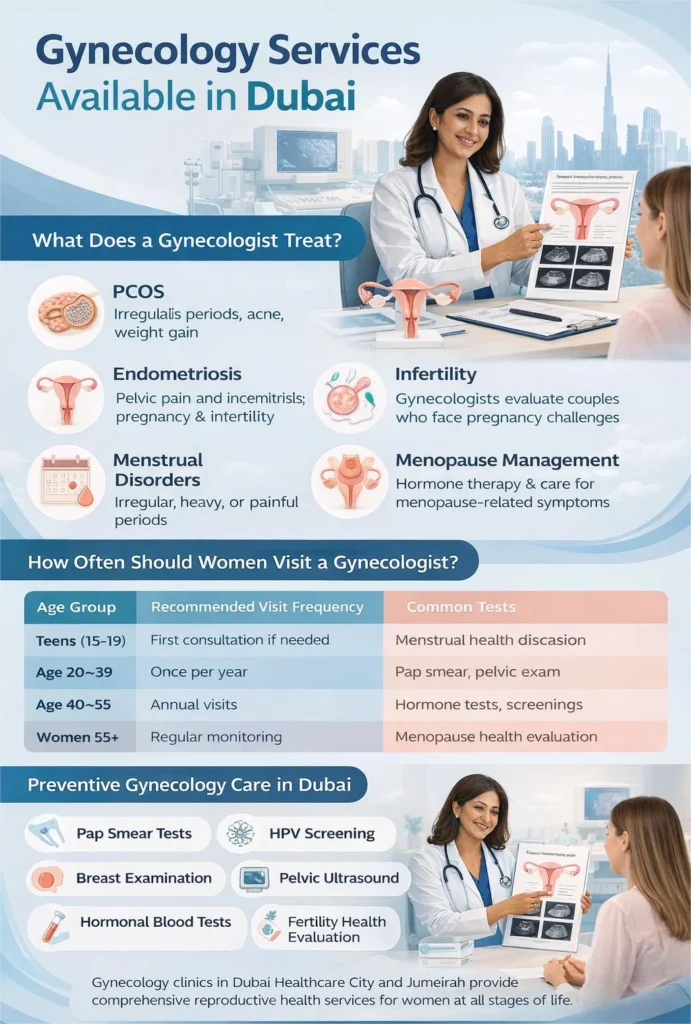
What Does a Gynecologist Treat?
A gynecologist in Dubai diagnoses and treats a wide range of health conditions affecting the female reproductive system.
The most common conditions treated include:
Polycystic Ovary Syndrome (PCOS)
PCOS is one of the most common hormonal disorders affecting women worldwide. Symptoms often include irregular periods, acne, weight gain, and fertility challenges. Gynecologists diagnose PCOS through hormone testing and pelvic ultrasound and create personalized treatment plans.
Endometriosis
Endometriosis occurs when tissue similar to the uterine lining grows outside the uterus. This condition can cause severe pelvic pain and infertility. Many gynecology specialists in Dubai Healthcare City clinics provide advanced treatment including medication and minimally invasive surgery.
Menstrual Disorders
Irregular or painful periods can be caused by hormonal imbalance, fibroids, thyroid disorders, or stress. A gynecology consultation usually includes hormone testing, ultrasound imaging, and treatment planning.
Infertility
Many couples seek help from fertility specialists when pregnancy does not occur naturally after 12 months. Gynecologists perform fertility evaluation, ovulation monitoring, and reproductive health testing.
Menopause Management
Women experiencing menopause may face symptoms such as hot flashes, sleep problems, and hormonal imbalance. Gynecologists provide hormone therapy, lifestyle guidance, and long-term health monitoring.
How Often Should Women Visit a Gynecologist?
Regular gynecology checkups are essential for preventive healthcare.
Most specialists recommend:
| Age Group | Recommended Visit Frequency | Common Tests |
|---|---|---|
| Teens (15–19) | First consultation if needed | Menstrual health discussion |
| 20–39 | Once per year | Pap smear, pelvic exam |
| 40–55 | Annual visits | Hormone tests, screening |
| 55+ | Regular monitoring | Menopause health evaluation |
Annual visits help detect conditions like cervical cancer, hormonal disorders, ovarian cysts, and reproductive health issues early.
Many clinics in Dubai Healthcare City and Jumeirah also offer comprehensive women’s health screening packages that include Pap smears, ultrasound exams, hormone tests, and fertility assessments.
Preventive Gynecology Care in Dubai
Preventive care is one of the most important services provided by gynecology clinics.
Routine screening services include:
• Pap smear tests
• HPV screening
• Breast examination
• Pelvic ultrasound
• Hormonal blood tests
• Fertility health evaluation
These screenings help detect diseases early and significantly improve treatment success rates.
Healthcare experts often emphasize that preventive gynecology care can reduce the risk of serious reproductive health conditions through early diagnosis and timely treatment.
Summary:
Gynecology clinics in Dubai provide a full spectrum of services including reproductive health screening, fertility treatment, pregnancy care, hormonal therapy, and surgical treatment for complex conditions.
Most Common Women’s Health Conditions Treated by Gynecologists in Dubai
Women visiting a gynecology clinic in Dubai often seek treatment for conditions related to hormonal balance, reproductive health, fertility, and menstrual disorders. Clinics in Dubai Healthcare City, Jumeirah, Al Barsha, and Business Bay regularly treat thousands of patients each year dealing with these issues.
Early diagnosis is extremely important because many reproductive health conditions can worsen over time if left untreated. Fortunately, most DHA-licensed gynecologists in Dubai use modern diagnostic tools such as pelvic ultrasound, hormone testing, and fertility assessments to identify problems early.
Below are some of the most common women’s health conditions treated by gynecologists in Dubai.
Polycystic Ovary Syndrome (PCOS)
PCOS is one of the most frequently diagnosed hormonal disorders among women of reproductive age.
Common symptoms include:
• Irregular or missed periods
• Weight gain
• Acne and oily skin
• Excess facial hair
• Difficulty getting pregnant
Gynecologists diagnose PCOS using blood tests, hormone analysis, and pelvic ultrasound scans. Treatment often includes lifestyle guidance, medication to regulate hormones, and fertility support when needed.
Endometriosis
Endometriosis occurs when tissue similar to the lining of the uterus grows outside the uterus. This condition can cause severe pelvic pain and may affect fertility.
Typical symptoms include:
• Severe menstrual cramps
• Chronic pelvic pain
• Pain during intercourse
• Difficulty conceiving
Specialists in Dubai Healthcare City women’s clinics often treat endometriosis using medication, hormonal therapy, or minimally invasive surgery.
Infertility
Infertility affects many couples worldwide. If pregnancy does not occur after 12 months of trying, doctors recommend a fertility evaluation.
Gynecologists typically perform:
• Ovulation tracking
• Hormone testing
• Pelvic ultrasound
• Reproductive health screening
Many fertility clinics in Dubai also offer advanced treatments including IUI and IVF procedures.
Menstrual Disorders
Irregular periods, heavy bleeding, or painful cycles are common reasons women visit a gynecologist.
These symptoms may be caused by:
• Hormonal imbalance
• Uterine fibroids
• Thyroid disorders
• Stress or lifestyle changes
A gynecologist may recommend hormone therapy, medication, or further testing to identify the underlying cause.
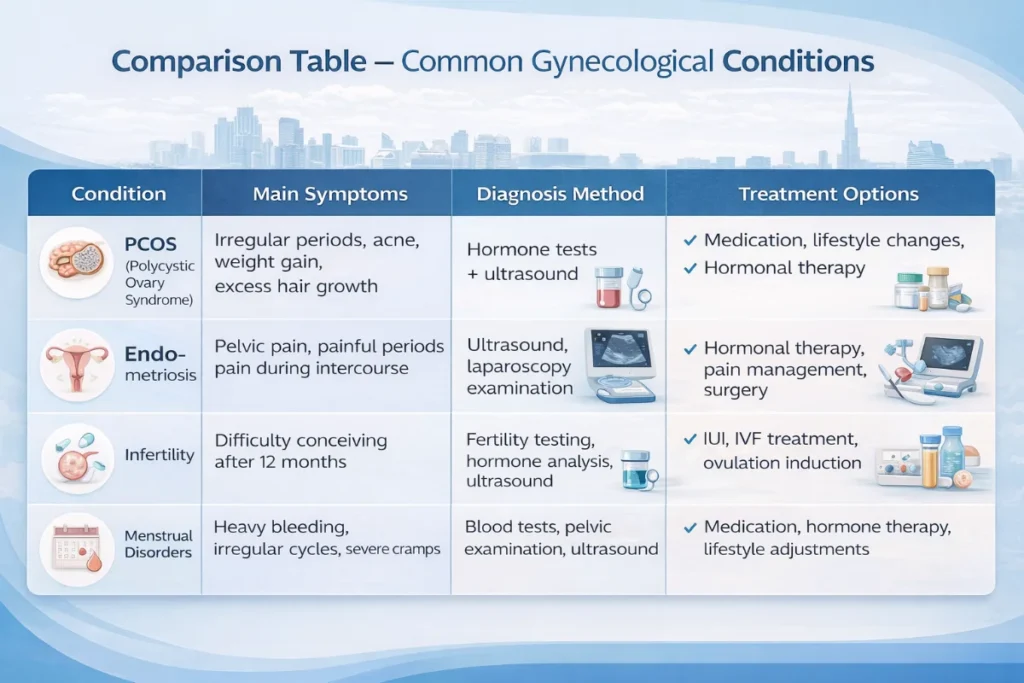
Comparison Table Common Gynecological Conditions
| Condition | Main Symptoms | Diagnosis Method | Treatment Options |
|---|---|---|---|
| PCOS (Polycystic Ovary Syndrome) | Irregular periods, acne, weight gain, excess hair growth | Hormone blood tests, pelvic ultrasound | Medication, lifestyle changes, hormonal therapy |
| Endometriosis | Pelvic pain, painful periods, pain during intercourse | Ultrasound, laparoscopy examination | Hormonal therapy, pain management, surgery |
| Infertility | Difficulty conceiving after 12 months | Fertility testing, hormone analysis, ultrasound | IUI, IVF treatment, ovulation induction |
| Menstrual Disorders | Heavy bleeding, irregular cycles, severe cramps | Blood tests, pelvic examination, ultrasound | Medication, hormone therapy, lifestyle adjustments |
Women’s Health Statistics
According to global women’s health research:
• Around 1 in 10 women worldwide have PCOS
• Endometriosis affects over 190 million women globally
• Fertility challenges affect about 15% of couples
• Regular gynecology screening can significantly reduce cervical cancer risk
Sources: World Health Organization & Global Women’s Health Studies
Why Early Diagnosis Matters
Early medical care allows gynecologists to treat health issues before they develop into serious complications.
Women in Dubai Healthcare City and Jumeirah clinics are increasingly scheduling preventive gynecology appointments to monitor their reproductive health regularly.
Routine examinations such as Pap smears, hormone tests, and pelvic ultrasounds can detect problems at an early stage and improve treatment outcomes significantly.
Summary:
Most gynecological conditions are manageable when diagnosed early, which is why regular checkups with a qualified gynecologist in Dubai are essential.
Pregnancy & Fertility Care in Dubai
Pregnancy and fertility care are among the most important services provided by gynecologists in Dubai. Clinics across Dubai Healthcare City, Jumeirah, Al Barsha, Business Bay, and Dubai Marina offer advanced maternal healthcare designed to support women throughout their pregnancy journey.
With modern diagnostic tools, internationally trained OB-GYN specialists, and state-of-the-art hospitals, Dubai has become one of the leading destinations in the Middle East for prenatal care, fertility treatments, and reproductive health services.
According to international fertility research, approximately 15% of couples globally experience fertility challenges, which is why early consultation with a fertility specialist in Dubai is highly recommended.
Prenatal Care in Dubai
Prenatal care refers to medical monitoring and support provided during pregnancy to ensure the health of both the mother and the baby.
Most OB-GYN clinics in Dubai Healthcare City provide structured prenatal care programs that include:
• Regular pregnancy checkups
• Ultrasound scans
• Blood tests and health screening
• Fetal growth monitoring
• Nutritional guidance
• Pregnancy risk assessment
A typical pregnancy involves 8–12 prenatal visits, depending on the stage of pregnancy and the mother’s health condition.
Prenatal monitoring helps doctors detect potential complications early, including:
Gestational diabetes
High blood pressure
Preterm labor risks
Fetal development concerns
Many hospitals in Dubai also offer 3D and 4D ultrasound technology, allowing parents to monitor their baby’s development in real time.
Summary: Prenatal care ensures a healthy pregnancy through continuous monitoring and early medical intervention when needed.
Fertility Evaluation & Treatment
Fertility evaluation is recommended if pregnancy does not occur after 12 months of trying (or 6 months for women over 35).
Gynecologists typically perform the following tests during fertility assessment:
1️⃣ Hormone blood tests
2️⃣ Ovulation monitoring
3️⃣ Pelvic ultrasound scans
4️⃣ Fallopian tube evaluation
5️⃣ Semen analysis for the partner
These tests help identify possible causes of infertility and guide doctors toward the most effective treatment plan.
IVF and Assisted Reproductive Technology (ART)
Dubai has several internationally recognized fertility clinics offering advanced assisted reproductive technologies (ART).
Common fertility treatments include:
• Ovulation induction
• Intrauterine Insemination (IUI)
• In Vitro Fertilization (IVF)
• Egg freezing
• Embryo transfer procedures
Many fertility clinics in Dubai Healthcare City and Jumeirah use advanced laboratory technology and genetic screening to improve IVF success rates.
STATS BOX Fertility & Pregnancy
According to global reproductive health research:
• Around 1 in 6 couples experience fertility challenges
• IVF success rates can range between 30%–50% depending on age
• Early fertility consultation significantly improves treatment outcomes
• Regular prenatal care reduces pregnancy complications
Sources: World Health Organization, Reproductive Medicine Studies
Pro Tip From Specialists
Pro Tip: Women planning pregnancy should schedule a pre-pregnancy consultation with a gynecologist. This allows doctors to review medical history, check hormone levels, and recommend supplements such as folic acid before conception.
Pre-pregnancy care can significantly improve pregnancy outcomes.
Why Dubai Is a Leading Fertility Destination
Dubai attracts patients from across the Middle East, Europe, and Asia for fertility treatment because of:
✔ Highly qualified international doctors
✔ Advanced medical technology
✔ Strict healthcare regulations (DHA licensed clinics)
✔ Modern hospitals and specialized fertility centers
Clinics located in Dubai Healthcare City are particularly well known for offering comprehensive women’s reproductive healthcare services under one roof.

How to Choose the Best Gynecologist in Dubai
Finding the best gynecologist in Dubai is one of the most important healthcare decisions a woman can make. With hundreds of clinics across Dubai Healthcare City, Jumeirah, Al Barsha, Business Bay, and Dubai Marina, patients often feel overwhelmed when trying to select the right specialist.
A qualified gynecologist does more than just treat medical conditions — they become a long-term partner in managing your reproductive health, pregnancy care, hormonal balance, and preventive screenings.
Healthcare experts recommend evaluating several key factors before selecting a women’s health clinic in Dubai.
1. Verify DHA License and Medical Credentials
The first step when choosing a gynecologist is verifying that the doctor is licensed by the Dubai Health Authority (DHA).
DHA licensing ensures that the doctor has:
• Completed recognized medical education
• Passed regulatory medical examinations
• Met UAE healthcare standards
• Maintained professional certification
You can verify DHA licenses through the official DHA website or by asking the clinic directly.
This step helps ensure you receive care from a qualified OB-GYN specialist in Dubai.
2. Look for Experience and Specialization
Not all gynecologists specialize in the same areas.
Some doctors focus on:
• Pregnancy and prenatal care
• Fertility treatment and IVF
• PCOS and hormonal disorders
• Menopause management
• Gynecological surgery
If you are seeking help for a specific condition such as PCOS treatment in Dubai or infertility evaluation, it is important to choose a specialist with experience in that field.
Many experienced OB-GYN doctors working in Dubai Healthcare City clinics have international training from Europe, the United States, or the United Kingdom.
3. Consider Clinic Facilities and Technology
Modern gynecology clinics in Dubai offer advanced diagnostic technology that improves both diagnosis and treatment outcomes.
Look for clinics that provide:
• Ultrasound imaging
• Fertility diagnostic tests
• Laboratory testing
• Minimally invasive surgical equipment
• Electronic health records
Hospitals and clinics in Dubai Healthcare City are particularly well known for their advanced medical infrastructure.
4. Check Patient Reviews and Reputation
Patient feedback can provide valuable insight into the quality of care offered by a clinic.
Look for:
• Verified Google reviews
• Testimonials from patients
• Clinic ratings on healthcare platforms
• Doctor reputation within the medical community
Many women searching for the best gynecologist in Dubai rely on patient reviews to evaluate comfort level, communication style, and professionalism.
5. Accessibility and Location
Convenience is another important factor when choosing a women’s health clinic.
Many patients prefer clinics located near major residential and business areas such as:
• Dubai Healthcare City
• Jumeirah
• Business Bay
• Al Barsha
• Dubai Marina
Choosing a nearby clinic makes it easier to attend routine checkups, pregnancy appointments, and follow-up consultations.
Expert Tip – Questions to Ask Your Gynecologist
Before selecting a doctor, consider asking the following questions:
• How many years of experience do you have?
• Are you licensed by the Dubai Health Authority?
• What treatments do you specialize in?
• What diagnostic technologies are available at your clinic?
• What hospitals are you affiliated with?
These questions help you understand the doctor’s experience and ensure that the clinic meets your healthcare needs.
Why Dubai Healthcare City Is a Popular Choice
Many patients prefer Chughtai clinic in Dubai Healthcare City because the area is designed specifically as a medical hub.
Dubai Healthcare City offers:
✔ Internationally accredited hospitals
✔ Multilingual medical staff
✔ Advanced diagnostic laboratories
✔ Specialized fertility and women’s health clinics
Because of these advantages, DHCC has become one of the most trusted locations for gynecology services in Dubai.
Summary:
Choosing the right gynecologist requires evaluating credentials, experience, clinic facilities, patient reviews, and location to ensure you receive high-quality medical care.

Gynecology Consultation Costs in Dubai
One of the most common questions women ask when searching for a gynecologist in Dubai is about consultation and treatment costs. The price of gynecology services can vary depending on the clinic, the doctor’s experience, diagnostic tests required, and the complexity of treatment.
Clinics located in Dubai Healthcare City, Jumeirah, Business Bay, and Al Barsha typically offer a wide range of women’s healthcare services with different pricing structures.
Understanding typical costs can help patients plan their healthcare more effectively.
Average Gynecology Consultation Cost in Dubai
The cost of visiting a DHA-licensed gynecologist in Dubai depends on the clinic and the specialist’s qualifications.
Typical consultation prices range between:
| Service | Average Cost in Dubai |
|---|---|
| Gynecologist consultation | AED 250 – AED 600 |
| Pap smear test | AED 200 – AED 500 |
| Pelvic ultrasound | AED 400 – AED 900 |
| Hormone blood tests | AED 300 – AED 800 |
| Fertility consultation | AED 500 – AED 1000 |
Clinics in Dubai Healthcare City sometimes charge slightly higher consultation fees due to specialized facilities and internationally trained specialists.
However, many clinics offer women’s health screening packages that combine multiple tests at discounted prices.
Pregnancy Care Cost in Dubai
Prenatal care packages vary depending on the hospital and pregnancy monitoring plan.
Typical costs include:
• Prenatal consultation: AED 300 – AED 700
• Pregnancy ultrasound: AED 400 – AED 1200
• Complete pregnancy package: AED 7000 – AED 15000
Many hospitals in Dubai provide maternity packages that include prenatal visits, ultrasound scans, and delivery care.
IVF and Fertility Treatment Costs
Fertility treatments can be more expensive because they involve specialized laboratory procedures and medical monitoring.
Typical costs for fertility services in Dubai include:
| Fertility Treatment | Average Cost |
|---|---|
| Fertility consultation | AED 500 – AED 1000 |
| Ovulation induction treatment | AED 1500 – AED 3000 |
| IUI procedure | AED 4000 – AED 7000 |
| IVF treatment | AED 15000 – AED 35000 |
Costs may vary depending on medication, laboratory testing, and individual treatment plans.
Factors That Affect Gynecology Costs
Several factors influence the total cost of treatment:
• Doctor’s experience and specialization
• Clinic location (Dubai Healthcare City clinics may cost more)
• Diagnostic tests required
• Complexity of treatment
• Hospital or clinic facilities
Many clinics also accept health insurance for gynecology consultations, especially for preventive care services.
How to Reduce Healthcare Costs
Patients can reduce expenses by:
✔ Choosing clinics that offer women’s health screening packages
✔ Checking insurance coverage for gynecology services
✔ Scheduling regular preventive checkups
✔ Comparing consultation fees before booking
Preventive care is often more affordable than treating advanced medical conditions.
FAQs
What does a gynecologist treat?
A gynecologist diagnoses and treats health conditions affecting the female reproductive system, including PCOS, infertility, menstrual disorders, hormonal imbalance, pregnancy care, and menopause management.
When should women visit a gynecologist?
Women should begin gynecology visits during their late teenage years or when they become sexually active. Most doctors recommend annual checkups for preventive health screening.
How much does a gynecologist consultation cost in Dubai?
A gynecologist consultation in Dubai typically costs between AED 250 and AED 600, depending on the clinic, location, and specialist experience.
What tests does a gynecologist perform?
Common tests include Pap smears, pelvic exams, hormone blood tests, fertility evaluations, and pelvic ultrasound scans.
How do I find a female gynecologist in Dubai?
Patients can search for DHA-licensed doctors through clinic websites, healthcare directories, and hospital platforms in areas such as Dubai Healthcare City and Jumeirah.
Conclusion
Women’s health is an essential part of overall wellbeing, and regular visits to a qualified gynecologist in Dubai help ensure early detection and treatment of reproductive health conditions.
Key takeaways from this guide:
• Gynecologists provide preventive, diagnostic, and treatment services for women’s health
• Dubai offers advanced healthcare facilities and internationally trained OB-GYN specialists
• Regular checkups help detect conditions like PCOS, infertility, and hormonal disorders early
If you are looking for professional gynecology services in Dubai Healthcare City or nearby areas, scheduling a consultation with a licensed specialist is the best step toward maintaining long-term reproductive health.
Book Your Gynecology Consultation at Chughtai Clinic Dubai
If you're looking for a trusted gynecologist in Dubai Healthcare City, Chughtai Clinic Dubai offers comprehensive women's healthcare services provided by DHA-licensed specialists. Our experienced OB-GYN doctors provide personalized care for reproductive health, pregnancy management, fertility consultations, PCOS treatment, and preventive screenings.
Located in the heart of Dubai Healthcare City, Chughtai Clinic combines advanced diagnostic technology with compassionate patient care to support women through every stage of life — from adolescence to menopause.
- ✔ Experienced DHA-licensed gynecologists
- ✔ Comprehensive women’s health services
- ✔ Fertility and pregnancy care
- ✔ Modern diagnostic and ultrasound facilities
- ✔ Convenient location in Dubai Healthcare City
Take the first step toward better women's health today.
📞 Call / WhatsApp: +971 44568952
🌐 Book Online: https://chughtaiclinic.ae
📍 Location: Dubai Healthcare City, Dubai