
















Women’s health is a multifaceted journey that evolves through different biological stages, from puberty and reproductive years to menopause and beyond. Each of these stages requires specialized medical care, timely diagnosis, and a physician who possesses a deep understanding of both physical anatomy and complex hormonal well-being. In a global hub like Dubai, where healthcare standards are among the highest in the world and the number of options can be overwhelming, choosing the best gynecologist in Dubai is one of the most important decisions a woman can make for her long-term wellness.
From routine gynecology checkups to high-risk pregnancy care, management of complex hormonal imbalances like PCOS, and preventive screenings for life-threatening conditions, a qualified gynecologist is a lifelong partner in health. Clinics that offer comprehensive services, employ DHA-licensed specialists, and maintain a patient-first philosophy are the gold standard in the UAE.
At Chughtai Clinic Dubai, women have access to world-class professional gynecology care led by highly experienced specialists. Among them is Dr. Shabana, a trusted name in the Dubai medical community known for her empathetic, patient-centric approach and her clinical precision. Chughtai Clinic emphasizes accurate diagnostic protocols, strict patient privacy, and evidence-based treatments that align perfectly with the rigorous standards set by the UAE healthcare authorities. This guide serves as an exhaustive resource to help you navigate the healthcare landscape and make an informed choice for your reproductive and hormonal health.
What Truly Defines the “Best” Gynecologist in Dubai?
In a city as competitive as Dubai, many doctors claim to be the best. However, for a patient, the “best” choice is defined by a combination of legal credentials, clinical experience, and the quality of the interpersonal relationship between doctor and patient.
1. Medical Qualifications and DHA Licensing
The first and most non-negotiable factor is the Dubai Health Authority (DHA) license. The DHA is the regulatory body that oversees all healthcare professionals in the emirate. A DHA license is not just a piece of paper; it is a guarantee that the doctor has:
Verified medical degrees from recognized international institutions.
Completed the required years of clinical residency and specialized training.
Passed rigorous examinations to practice in Dubai.
Complied with Continuous Medical Education (CME) requirements to stay updated on the latest medical advancements.
When you visit a specialist like Dr. Shabana at Chughtai Clinic, you are consulting with a professional whose credentials have been thoroughly vetted to meet the highest safety and quality benchmarks.
2. Clinical Experience in Diverse Conditions
The human body is complex, and gynecological issues often overlap with other health concerns. The best gynecologists are those who have spent years treating a diverse patient population. Experience matters specifically in:
Complex Hormonal Management: Understanding that symptoms like acne or weight gain might be linked to underlying endocrine issues.
Early Detection: The ability to spot subtle signs of abnormalities during a routine pelvic exam or ultrasound.
Cultural Competence: In a city with over 200 nationalities, a doctor must understand the different cultural backgrounds and health predispositions of their patients.
3. Advanced Clinic Infrastructure and Diagnostic Technology
A doctor is only as good as the tools they have at their disposal. A top-tier gynecology clinic must be equipped with modern diagnostic technology, including:
High-resolution Ultrasound machines for pelvic and fetal monitoring.
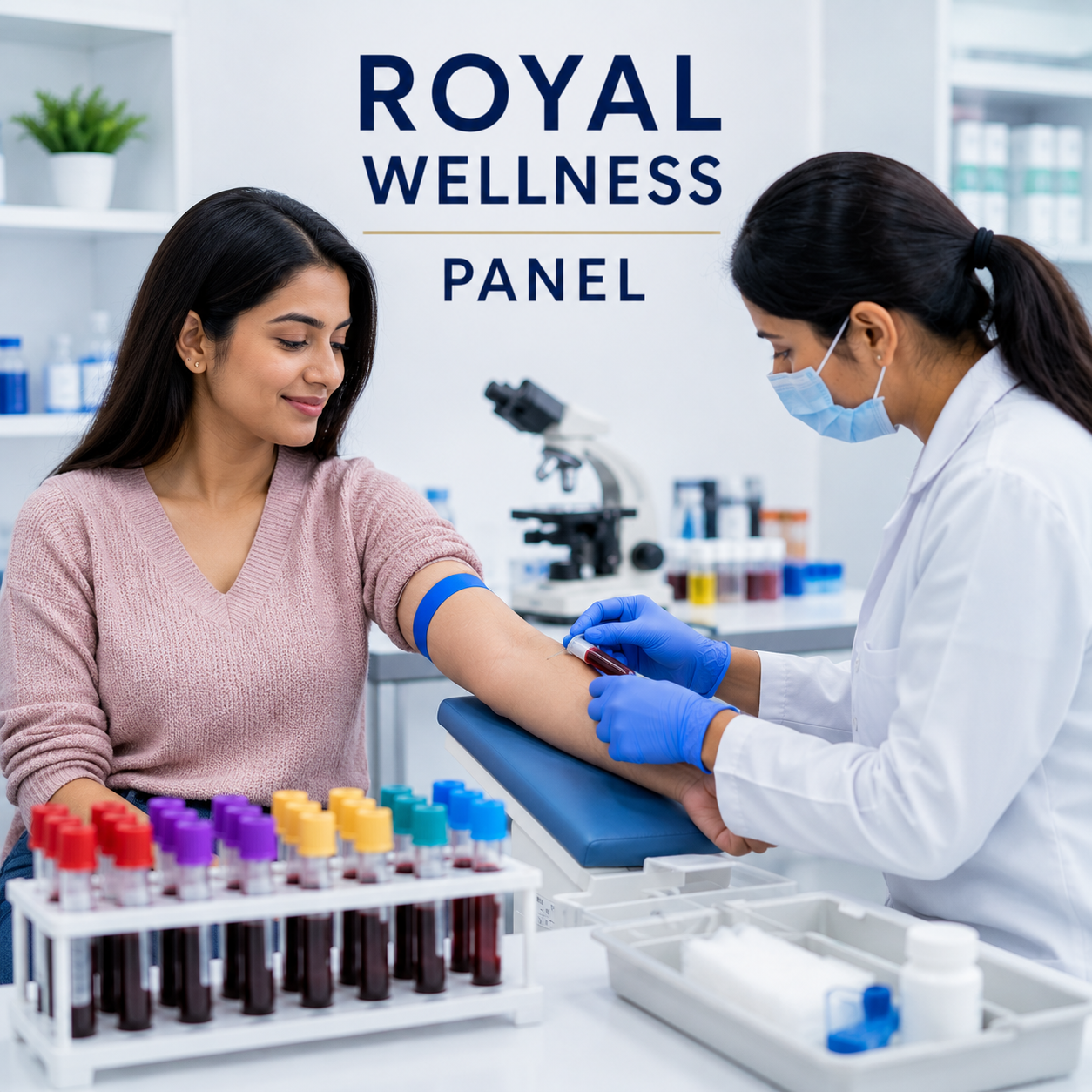
In-house laboratory services for rapid blood work and hormonal assays.
Sterile environment for minor procedures.
Digital record-keeping systems that ensure your medical history is tracked accurately over the years.
4. Patient-Centered Care and Ethical Privacy Standards
Privacy is a cornerstone of gynecological care. Women are often discussing their most intimate health concerns, and the environment must reflect that. The best clinics in Dubai provide:
Soundproof consultation rooms.
Strict data protection for medical records.
A “no-judgment” zone where patients can discuss sexual health, fertility, and mental well-being openly.
Exploring the Specialized Types of Gynecologists in the UAE
Gynecology is a broad field, and depending on your stage of life or specific health concern, you might need a doctor who specializes in a particular niche. Understanding these distinctions is crucial for finding the right care.
The General Gynecologist: Your Primary Health Partner
A general gynecologist is the “GP” of women’s reproductive health. Every woman should have a general gynecologist for her annual exams. Their role includes:
Preventive Screenings: Performing Pap smears to screen for cervical cancer and conducting breast exams.
Contraception Counseling: Helping women choose the right birth control method based on their lifestyle and health history.
Basic Infection Treatment: Managing common issues like UTIs or yeast infections.
Health Education: Providing guidance on nutrition, exercise, and menstrual hygiene.
Pregnancy and Maternity Specialists (Obstetricians)
While many gynecologists are also obstetricians (OB-GYNs), some focus more heavily on the maternity journey. This is a critical specialization because it involves monitoring two lives simultaneously. Their expertise covers:
Pre-conception Counseling: Preparing the body for pregnancy through vitamins (like Folic Acid) and health checks.
Antenatal Care: The 40-week journey of monitoring fetal growth and maternal health.
High-Risk Pregnancy Management: Caring for mothers with gestational diabetes, hypertension (preeclampsia), or multiple births (twins/triplets).
Postpartum Care: Supporting the mother in the “fourth trimester” as her body recovers from childbirth.
Hormonal and Reproductive Endocrinologists
These specialists focus on the intricate balance of hormones. In the UAE, where lifestyle factors can often lead to hormonal disruptions, these doctors are in high demand. They treat:
PCOS (Polycystic Ovary Syndrome): A condition affecting millions that causes irregular cycles and fertility issues.
Thyroid Dysfunction: Which can mimic gynecological symptoms.
Early Menopause: Managing the transition for women going through perimenopause.
Infertility: Investigating why a couple may be struggling to conceive and offering initial treatments or referrals.
Preventive Women’s Health Specialists
The modern medical approach is shifting from “reactive” to “proactive.” Preventive specialists focus on:
Genetic Screening: Assessing the risk of hereditary cancers.
Bone Density: Monitoring for osteoporosis, especially in older women.
Vaccinations: Administering the HPV vaccine to prevent cervical cancer.
At Chughtai Clinic Dubai, the approach is integrated. Whether you need a routine checkup or specialized hormonal management, the clinic provides a pathway to the right specialist, ensuring you aren’t just a number, but a patient with a personalized care plan.
The Gender Factor: Why Many Women in Dubai Prefer a Female Gynecologist
Dubai is a unique melting pot of cultures, religions, and traditions. For many women, the choice between a male and female gynecologist is not just a matter of preference but a matter of cultural comfort and personal ease.
The Comfort of Shared Experience
There is an inherent “common ground” when a woman consults a female doctor. A female gynecologist has a lived understanding of:
The physical sensation of menstrual cramps.
The emotional fluctuations associated with hormonal cycles.
The anxieties related to pregnancy and childbirth.
This shared experience often leads to a more empathetic consultation style. Patients report feeling more “heard” and less “rushed” when speaking with doctors like Dr. Shabana, who is known for her ability to build a strong rapport with her patients.
Cultural and Religious Sensitivity
In the UAE, many women come from backgrounds where modesty is a high priority. A female gynecologist ensures that the patient feels respected and culturally safe during physical examinations. This leads to:
Lower Stress Levels: Patients are more likely to attend regular screenings if they know they will be treated by a female specialist.
Open Communication: Women are often more willing to disclose sensitive symptoms—such as libido changes or domestic concerns—to another woman.
The Role of Communication in Care
Effective healthcare is 50% medical science and 50% communication. A female gynecologist in a multicultural city like Dubai often excels in:
Active Listening: Taking the time to understand the patient’s lifestyle and stressors.
Patient Education: Explaining complex medical terms in a way that empowers the woman to take charge of her health.
Long-term Relationship Building: Many women stay with the same gynecologist for decades, from their first period through their last pregnancy and into menopause.
Deep Dive into Common Women’s Health Issues in the UAE
To understand why choosing the right doctor is so critical, we must look at the specific health challenges women face in this region. The environment, lifestyle, and genetics all play a role in the prevalence of certain conditions.
1. The Epidemic of PCOS and PCOD
Polycystic Ovary Syndrome (PCOS) is exceptionally common in the UAE. It is a hormonal disorder characterized by enlarged ovaries with small cysts on the outer edges.
Symptoms: Irregular periods, excess androgen levels (resulting in facial hair or acne), and obesity.
The Dubai Context: The sedentary lifestyle and high-calorie diets sometimes found in urban environments can exacerbate PCOS.
Treatment at Chughtai Clinic: Specialists like Dr. Shabana don’t just prescribe birth control to “mask” the symptoms. They look at metabolic health, insulin resistance, and lifestyle changes to treat the root cause.
2. Irregular Periods and Hormonal Imbalance
Irregularity is often a signal that something else is wrong. It could be stress, a thyroid issue, or extreme weight changes. A gynecologist’s job is to play “medical detective” to find out why the cycle is disrupted.
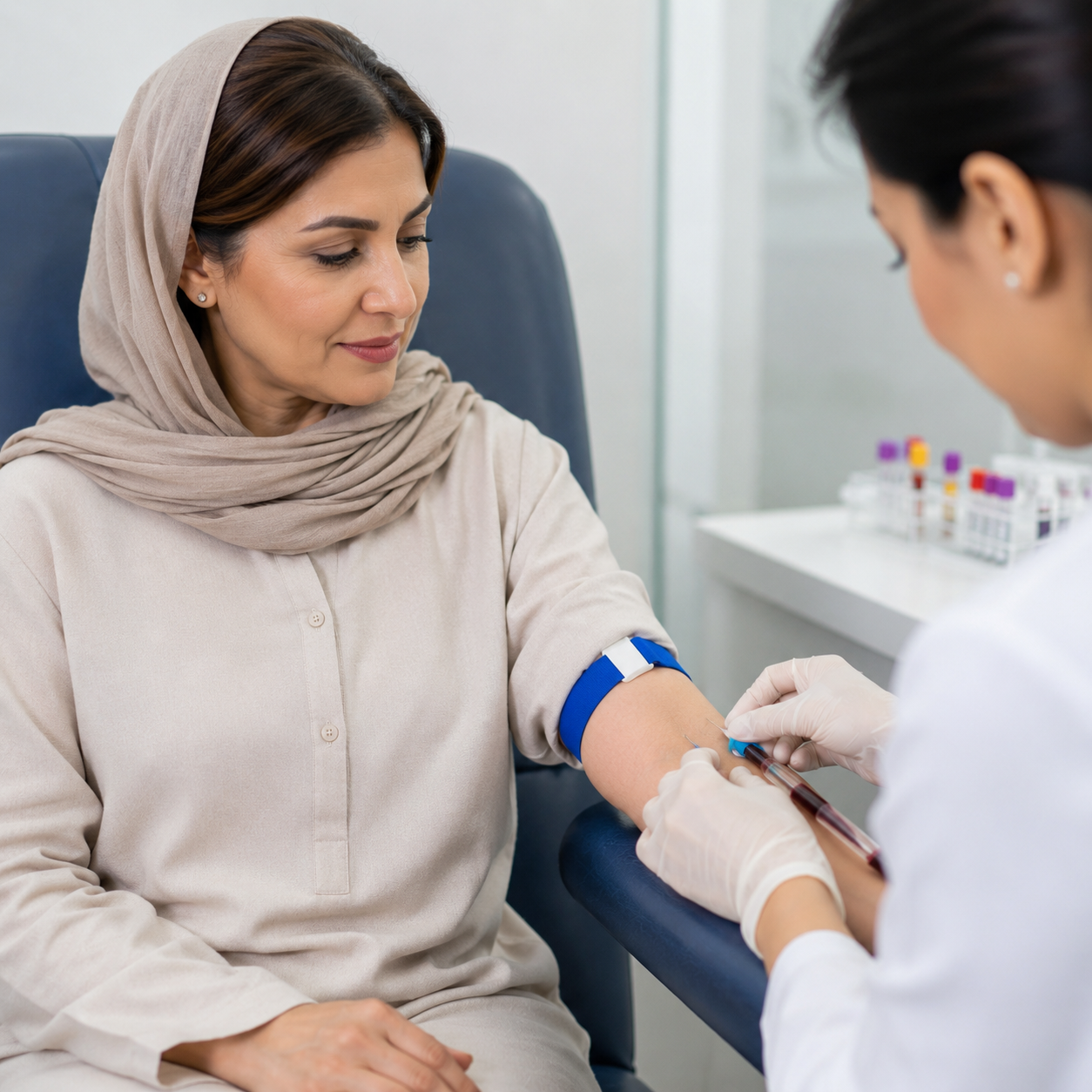
Diagnosis: This involves blood tests to check levels of Estrogen, Progesterone, LH, and FSH.
Long-term Impact: Unregulated cycles can lead to uterine lining issues and future fertility struggles.
3. Pregnancy Care in a High-Stress Environment
Dubai is a fast-paced city. Working women often balance demanding careers with pregnancy. This makes prenatal care even more vital.
Standard Care: Includes monthly checkups, ultrasounds at key milestones (12 weeks, 20 weeks), and glucose challenge tests.
Mental Health: Modern gynecology also looks at prenatal and postpartum depression, ensuring the mother’s mental health is as stable as her physical health.
4. Pelvic Pain and Endometriosis
Endometriosis is a painful condition where tissue similar to the lining of the uterus grows outside the uterus. It is often misdiagnosed as “just a painful period.”
The Importance of a Specialist: An experienced gynecologist will know when a patient’s pain is abnormal and will suggest the necessary scans or laparoscopic investigations to provide relief.
5. Preventive Screenings: The Life Savers
Pap Smears: Recommended every 3 to 5 years for most women to prevent cervical cancer.
HPV Testing: Identifying the virus that causes most cervical cancers.
Breast Exams: Teaching women how to perform self-exams and referring them for mammograms when necessary.
Navigating the Decision: How to Select Your Gynecologist
With so many clinics in areas like Jumeirah, Dubai Healthcare City, and Deira, how do you narrow it down? Use this checklist:
1. Convenience and Location
Don’t underestimate the importance of a clinic that is easy to reach. During pregnancy or if you have a painful condition, you don’t want to be stuck in an hour of traffic. Chughtai Clinic offers a central, accessible location that makes regular visits stress-free.
2. Telehealth Options
In the post-pandemic era, telehealth is a must. If you just need to discuss lab results or ask a quick question about your medication, you shouldn’t always have to drive to the clinic. Look for a doctor who offers digital follow-ups.
3. Insurance and Financial Transparency
Healthcare in Dubai can be expensive.
Check the Network: Always call your insurance provider to see if the clinic and the specific doctor are in your network.
Ask About Costs: A reputable clinic will be transparent about the cost of a consultation, an ultrasound, and lab tests before you commit.
4. Reviewing the Reputation
While Google reviews are helpful, look for specific mentions of the doctor’s bedside manner and the clinic’s efficiency. Dr. Shabana is frequently cited for her patience and her ability to make patients feel at ease, which is a key indicator of high-quality care.
When to Seek Urgent Gynecological Care
Many women tend to “wait and see” if a symptom goes away. However, in gynecology, early intervention is often the difference between a simple treatment and a major surgery. You should book an appointment immediately if you experience:
Abnormal Bleeding: Bleeding between periods, after intercourse, or after menopause is never “normal” and must be investigated.
Sudden Pelvic Pain: Sharp, stabbing pain can indicate an ovarian cyst rupture or an ectopic pregnancy (if you are pregnant).
Severe Infection Signs: High fever accompanied by pelvic pain or unusual discharge.
Lumps in the Breast: Any new lump or change in breast tissue requires an urgent clinical exam.
Pregnancy Red Flags: Any bleeding, decreased fetal movement, or severe headaches during pregnancy.
By choosing a clinic like Chughtai Clinic Dubai, you ensure that you have a medical home where you can be seen quickly by professionals who already know your medical history.
What to Expect During Your Appointment at Chughtai Clinic
For many, a visit to the gynecologist can be anxiety-inducing. Knowing exactly what happens can help ease those nerves.
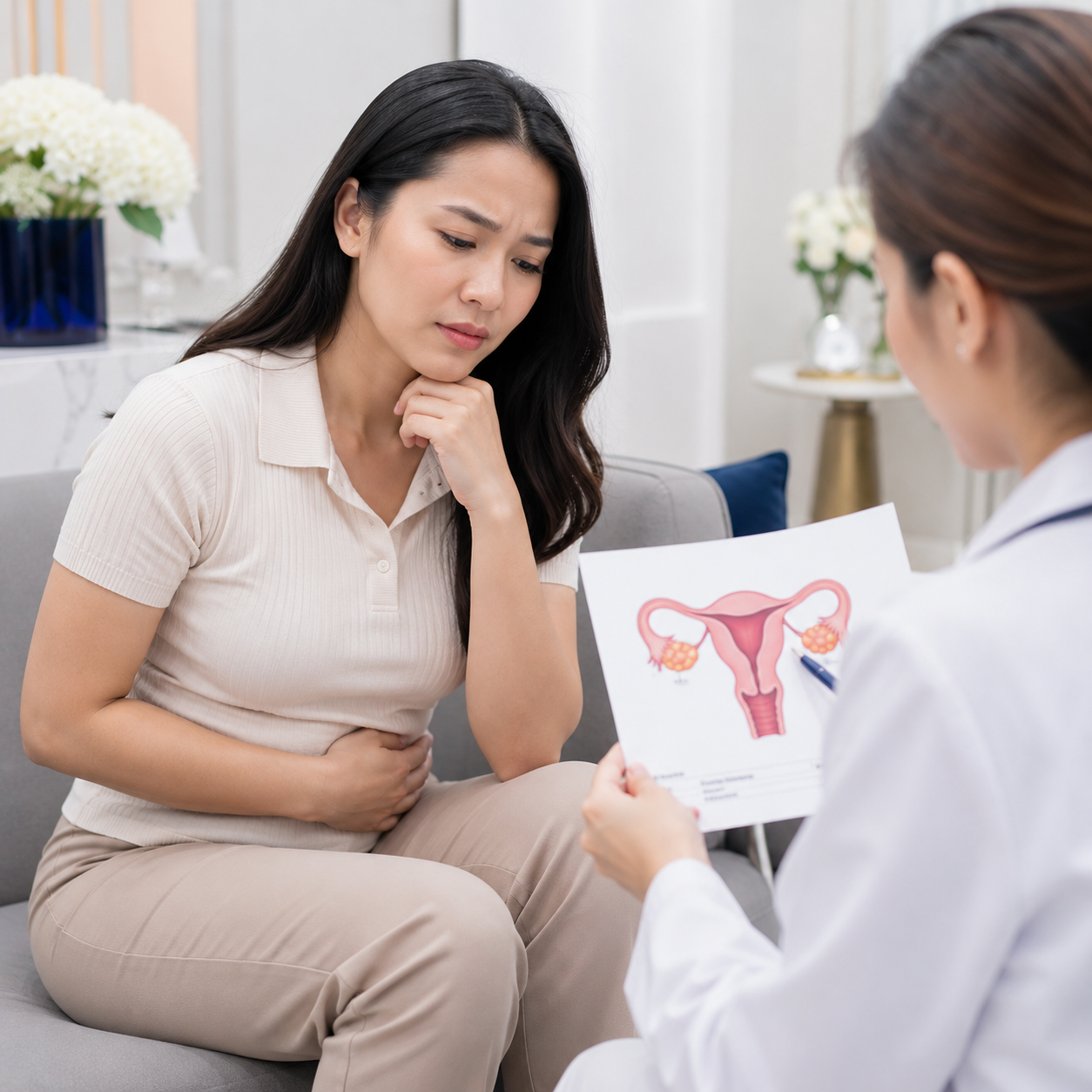
Step 1: The Initial Consultation
The doctor will sit with you to discuss your “chief complaint.” You will be asked about:
The date of your last period.
Your history of pregnancies or surgeries.
Any medications or supplements you are taking.
Your family history of cancer or reproductive issues.
Step 2: The Physical Examination
If necessary, the doctor will perform a physical exam. This is done with the utmost respect for your privacy, often with a female nurse present in the room (a standard “chaperone” policy in the UAE).
Step 3: Diagnostic Testing
If the doctor suspects a hormonal issue or infection, they will order blood tests or a pelvic ultrasound. At Chughtai Clinic, the proximity of laboratory services means your results are processed accurately and efficiently.
Step 4: The Treatment Plan
The doctor will explain their findings. This might include:
A prescription for medication.
Lifestyle and dietary recommendations (especially for PCOS).
A schedule for follow-up visits to monitor your progress.
The Philosophy of Care at Chughtai Clinic Dubai
What sets Chughtai Clinic apart in the crowded Dubai healthcare market is a commitment to the “whole woman.” They understand that a woman’s health is not just about her reproductive organs; it’s about her stress levels, her nutrition, her age, and her environment.
Under the care of Dr. Shabana, the clinic has built a reputation for:
Evidence-Based Medicine: Using the latest clinical guidelines to ensure safe outcomes.
Empathetic Listening: Giving women the time they need to express their concerns.
Efficiency: Respecting the patient’s time through streamlined booking and consultation processes.
Holistic Management: Integrating different aspects of health to ensure long-term stability rather than just a “quick fix” for symptoms.
Final Thoughts: Investing in Your Future Self
Choosing the best gynecologist in Dubai is an investment in your future. Whether you are a young woman navigating the complexities of your cycle, an expectant mother looking for the safest hands for your baby, or a woman entering the wisdom of her later years, you deserve care that is professional, private, and precise.
In the UAE, where medical excellence is the standard, don’t settle for anything less than a doctor who makes you feel confident and a clinic that prioritizes your safety. With specialists like Dr. Shabana at Chughtai Clinic Dubai, you can rest assured that your health is in the hands of experts who truly care.
Frequently Asked Questions (FAQs)
1. At what age should a girl first visit a gynecologist?
The American College of Obstetricians and Gynecologists (ACOG) recommends the first visit between the ages of 13 and 15. This visit is usually just a talk to establish a relationship and discuss puberty.
2. Are gynecologists in Dubai covered by basic insurance?
Most insurance plans in Dubai cover gynecology consultations, but the level of coverage for tests, ultrasounds, and maternity care depends on your specific policy. Always verify with your provider.
3. Can a gynecologist help with weight loss?
Yes, if the weight gain is caused by hormonal issues like PCOS or hypothyroidism. A gynecologist can help balance your hormones, which makes lifestyle changes more effective.
4. Is it possible to see a female gynecologist for all procedures?
Absolutely. Clinics like Chughtai Clinic prioritize female-led care for women who prefer it, ensuring a female doctor and female nursing staff are available for all exams and procedures.
5. How can I prepare for my first appointment?
Track your last 3 menstrual cycles, make a list of any medications you take, and write down any symptoms or questions you have so you don’t forget them during the consultation.