



























Anxiety is the most common mental health condition in the world and in Dubai, it is arguably the most underdiagnosed. In a city that celebrates performance, normalises pressure, and considers exhaustion a badge of honour, millions of residents are living with anxiety disorders that have never been properly identified, let alone treated.
Whether you are an expatriate navigating the pressures of visa dependency and career performance, a professional managing the relentless pace of Dubai's business environment, or someone who simply cannot identify why they feel permanently on edge this guide is for you.
Dr. Balu Pitchiah, consultant psychiatrist at Chughtai Clinic Dubai Healthcare City, breaks down everything you need to know about anxiety treatment in Dubai: the different types of anxiety disorders, how they are diagnosed, what treatment options are available, what they cost, and most importantly when and how to get help.
Quick Answer
The most effective anxiety treatment in Dubai combines Cognitive Behavioural Therapy (CBT) with medication where needed, plus a functional medicine assessment addressing root causes. A DHA-licensed psychiatrist diagnoses the type of anxiety and creates a personalised plan. At Chughtai Clinic DHCC: +971 52 619 8738
301M
People worldwide with anxiety disorders (WHO 2025)
World Health Organization
22%
UAE residents reporting significant anxiety symptoms
UAE National Mental Health Survey
80%
Recovery rate with appropriate evidence-based treatment
WHO / NICE Guidelines
2 yrs
Average time Dubai residents wait before seeking help
Gulf Health Study 2024
Table of Contents
What Is Anxiety? Clinical Definition
Normal Stress vs Anxiety Disorder
6 Types of Anxiety Disorders in Dubai
Anxiety Symptoms Physical & Psychological
Why Dubai Creates Anxiety Expat Triggers
How Anxiety Is Diagnosed in Dubai
Anxiety Treatment Options
Functional Psychiatry for Anxiety
Anxiety Medication in Dubai
CBT for Anxiety How It Works
Anxiety Treatment Costs Dubai 2026
Insurance Coverage in UAE
Online Anxiety Treatment Dubai
Self-Help Strategies
Frequently Asked Questions
1. What Is Anxiety? The Clinical Definition
Anxiety is a normal human emotion a built-in biological alarm system designed to help us respond to threats. When you feel nervous before a presentation, alert during a difficult conversation, or tense in a dangerous situation, anxiety is functioning exactly as intended.
An anxiety disorder is something fundamentally different. It is when the brain's threat-detection system becomes dysregulated generating fear, worry, and physiological stress responses in the absence of genuine danger, at a severity and frequency that significantly impairs daily life.
Anxiety disorders are classified under ICD-11 (the WHO's international disease classification) and DSM-5 (the American Psychiatric Association's diagnostic manual) the two frameworks used by DHA-licensed psychiatrists in Dubai when making a formal diagnosis.
Key Clinical Point
Anxiety disorders are the most common mental health conditions globally, affecting approximately 1 in 13 people at any given time. They are also among the most treatable with over 80% of patients showing significant improvement with appropriate, evidence-based treatment when accessed promptly.
2. Normal Stress vs Anxiety Disorder When Does It Become a Problem?
One of the most common questions Dr. Balu Pitchiah hears in consultation is: "But isn't everyone anxious in Dubai? Is what I'm feeling actually a disorder?" The distinction between normal, adaptive stress and a clinical anxiety disorder is genuinely important it determines whether you need lifestyle adjustments or professional treatment.
Normal / Adaptive Anxiety
Triggered by a specific, identifiable event or situation
Proportionate to the actual level of risk or challenge
Resolves naturally once the event passes
Does not significantly impair daily functioning
You can still concentrate, sleep, and enjoy life
Anxiety Disorder
Persistent present most days for 6+ months
Disproportionate intense fear without real danger
Difficult or impossible to control despite trying
Significantly impairs work, relationships, or daily life
Causes physical symptoms racing heart, muscle tension, sleep disruption
The clinical threshold used by Dubai's DHA-licensed psychiatrists requires symptoms to be present most days for at least 6 months and to cause significant distress or impairment in social, occupational, or other important areas of functioning. Below this threshold, lifestyle and self-help strategies may be sufficient. Above it, professional assessment is recommended.
3. The 6 Main Types of Anxiety Disorders Dubai Prevalence
Anxiety is not a single condition it is a family of related but distinct disorders, each with its own symptom profile, triggers, and most effective treatment approach. Understanding which type you are dealing with is essential for effective treatment.
Generalised Anxiety Disorder (GAD)
Persistent, excessive worry about multiple areas of life work, health, finances, relationships that is difficult to control and causes significant fatigue and tension
Most common type in Dubai affects ~4% of population
Panic Disorder
Recurring, unexpected panic attacks sudden episodes of intense fear with physical symptoms like racing heart, chest pain, breathlessness plus persistent fear of the next attack
High in Dubai's high-stress corporate sector
Social Anxiety Disorder
Intense fear of social situations networking events, presentations, meeting new people due to fear of embarrassment, negative judgment, or humiliation
Very common in Dubai's expatriate community
PTSD
Post-traumatic stress disorder anxiety following a traumatic event, characterised by flashbacks, nightmares, hypervigilance, and avoidance of reminders
Affects expats who experienced trauma before or during relocation
Health Anxiety
Persistent fear of having or developing a serious illness excessive health monitoring, frequent GP visits, and catastrophic interpretation of normal body sensations
Increased significantly post-pandemic in UAE
OCD
Obsessive-compulsive disorder intrusive thoughts (obsessions) that drive repetitive behaviours (compulsions) to temporarily reduce anxiety
Often misdiagnosed or late-diagnosed in Dubai
Anxiety Disorder Prevalence UAE & Global Data
8%
6%
4%
2%
0%
4–5.5%
GAD
Generalised
2.7%
Panic
Disorder
7.4%
Social
Anxiety
3.9%
PTSD
Trauma
5%
Health
Anxiety
2.5%
OCD
Obsessive
Sources: WHO Global Mental Health Report 2025, Journal of Anxiety Disorders, UAE National Mental Health Survey. UAE rates for GAD and social anxiety are estimated higher than global averages due to expat lifestyle factors.
| Anxiety Type | Core Fear | Key Symptoms | First-Line Treatment |
|---|---|---|---|
| GAD | Multiple worries everything going wrong | Constant worry, muscle tension, fatigue, sleep difficulty, irritability | CBT, SSRIs, lifestyle modification |
| Panic Disorder | Having a panic attack, losing control | Unexpected panic attacks, avoidance of triggers, persistent anticipatory anxiety | CBT, SSRIs, breathing techniques |
| Social Anxiety | Embarrassment, negative social judgment | Fear of social situations, blushing, avoidance, physical symptoms in social settings | CBT, SSRIs, exposure therapy |
| PTSD | Re-experiencing trauma, danger | Flashbacks, nightmares, hypervigilance, emotional numbing, avoidance | Trauma-focused CBT, EMDR, SSRIs |
| Health Anxiety | Serious or terminal illness | Excessive health monitoring, reassurance seeking, catastrophising symptoms | CBT, mindfulness, SSRIs |
| OCD | Harm, contamination, doubt, moral failure | Intrusive thoughts, compulsive rituals, mental checking, reassurance seeking | CBT ERP (gold standard), SSRIs |
4. Anxiety Symptoms Physical and Psychological Signs
One of the most important reasons anxiety goes undiagnosed in Dubai is that its physical symptoms are often attributed to other causes heart problems, digestive issues, thyroid disorders, or simply "stress from work." A comprehensive understanding of anxiety's full symptom profile helps patients and their doctors identify it correctly.
Complete Anxiety Symptom Profile Physical & Psychological
Physical Symptoms
Psychological Symptoms
Racing heart (palpitations)
Chest tightness or pain
Shortness of breath
Muscle tension and headaches
Sweating and trembling
Digestive upset, nausea, IBS
Fatigue and sleep difficulties
Dizziness, lightheadedness
Excessive, uncontrollable worry
Feeling constantly on edge
Difficulty concentrating ("mind fog")
Irritability and low frustration tolerance
Fear of losing control or "going mad"
Avoidance of anxiety-provoking situations
Catastrophising expecting worst outcomes
Reassurance seeking constant checking
Important: Many anxiety patients present first to GPs or cardiologists with physical symptoms particularly chest pain, palpitations, and digestive complaints. If physical causes have been ruled out, anxiety should be assessed.
Commonly Missed in Dubai
Many patients spend months visiting cardiologists, gastroenterologists, and neurologists for physical anxiety symptoms before the underlying anxiety disorder is identified. Chest pain, palpitations, IBS-like symptoms, and chronic headaches are among the most common presentations. If your physical investigations keep coming back normal, anxiety is a likely contributor.
5. Why Dubai Creates Anxiety Expat and Professional Triggers
Dubai is not simply a stressful city it contains a unique combination of structural factors that create exceptional conditions for anxiety disorders to develop and persist. Understanding these Dubai-specific triggers helps in both prevention and treatment.
Dubai-Specific Anxiety Triggers
Visa dependency loss of job = loss of residency = loss of everything
Performance culture career identity tightly fused with self-worth
Social isolation no family safety net, friendships are transactional
Financial pressure high cost of living, school fees, rent, lifestyle
Climate extreme heat limits outdoor activity, affects sleep and mood
Cultural adjustment unfamiliar legal, social, and professional norms
Digital overload always-on work culture via WhatsApp and email
How Chughtai Clinic Addresses This
Dr. Balu Pitchiah has extensive experience with expat anxiety understands Dubai's unique pressures
Treatment addresses occupational, identity, and lifestyle contributors not just symptoms
Culturally sensitive patients from 80+ nationalities treated
Functional assessment identifies nutritional/hormonal drivers amplifying anxiety
Telehealth available discreet and accessible from anywhere in UAE
Medical documentation provided where needed (sick leave, HR support)
Dr. Balu Pitchiah's Note
"The anxiety I see in Dubai is qualitatively different from what I treated in the NHS. It is deeply entangled with professional identity, visa insecurity, and the absence of traditional support structures. Treating the anxiety without addressing these contextual drivers produces only temporary relief. Our approach at Chughtai Clinic addresses the full picture."
6. How Anxiety Is Diagnosed in Dubai
A formal anxiety diagnosis in Dubai requires assessment by a DHA-licensed mental health professional a psychiatrist, psychologist, or clinical counsellor. The process at Chughtai Clinic is thorough and typically completed within a single extended first consultation.
1
Clinical Interview Symptom History
Your psychiatrist takes a detailed history of your anxiety symptoms when they began, how often they occur, what triggers them, and how significantly they affect your daily life at work, home, and in relationships.
2
Standardised Assessment Tools
Validated screening questionnaires are used to quantify symptom severity including the GAD-7 (Generalised Anxiety Disorder scale), PHQ-9 (for co-existing depression), and disorder-specific tools for panic, social anxiety, health anxiety, and OCD.
3
Medical and Functional Investigations
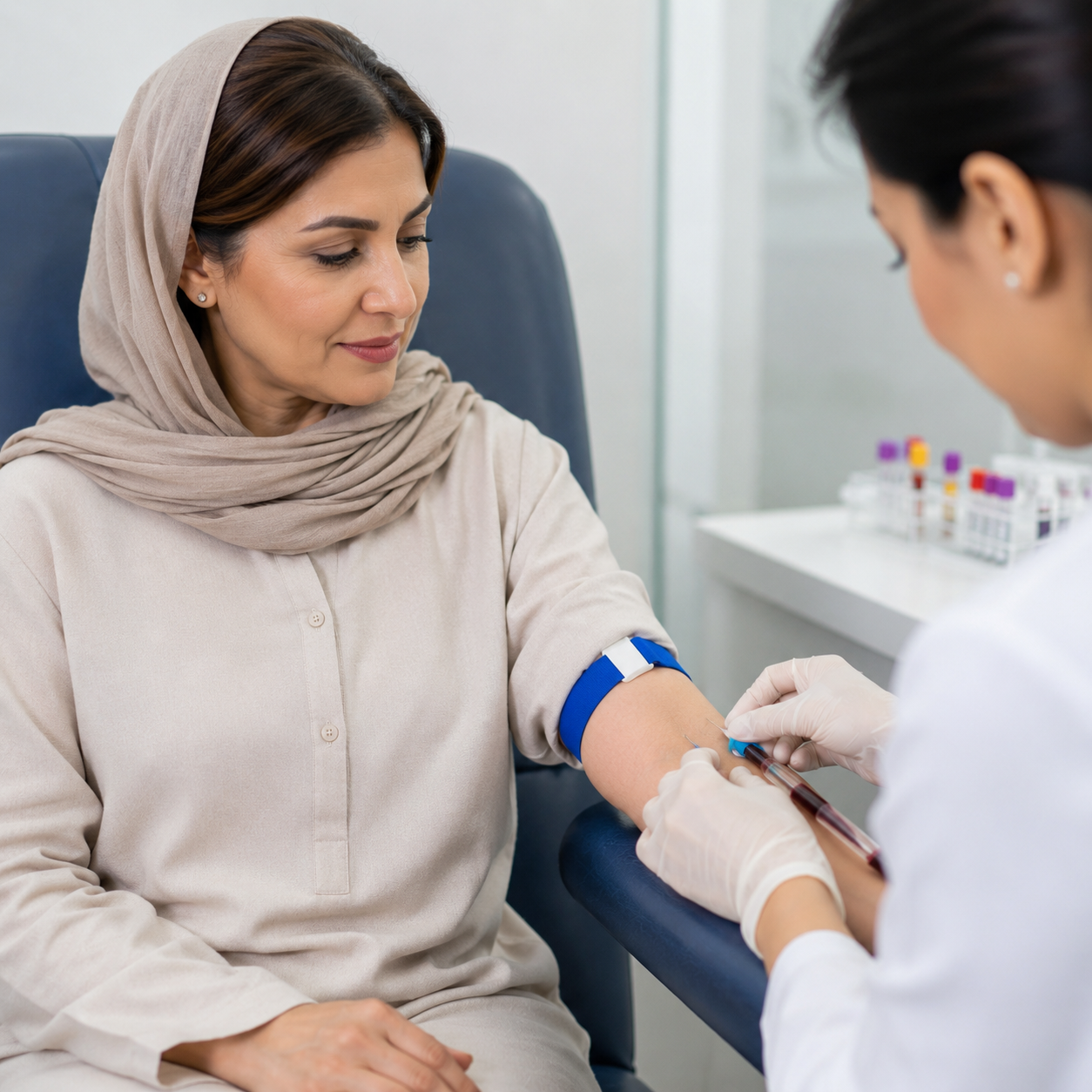
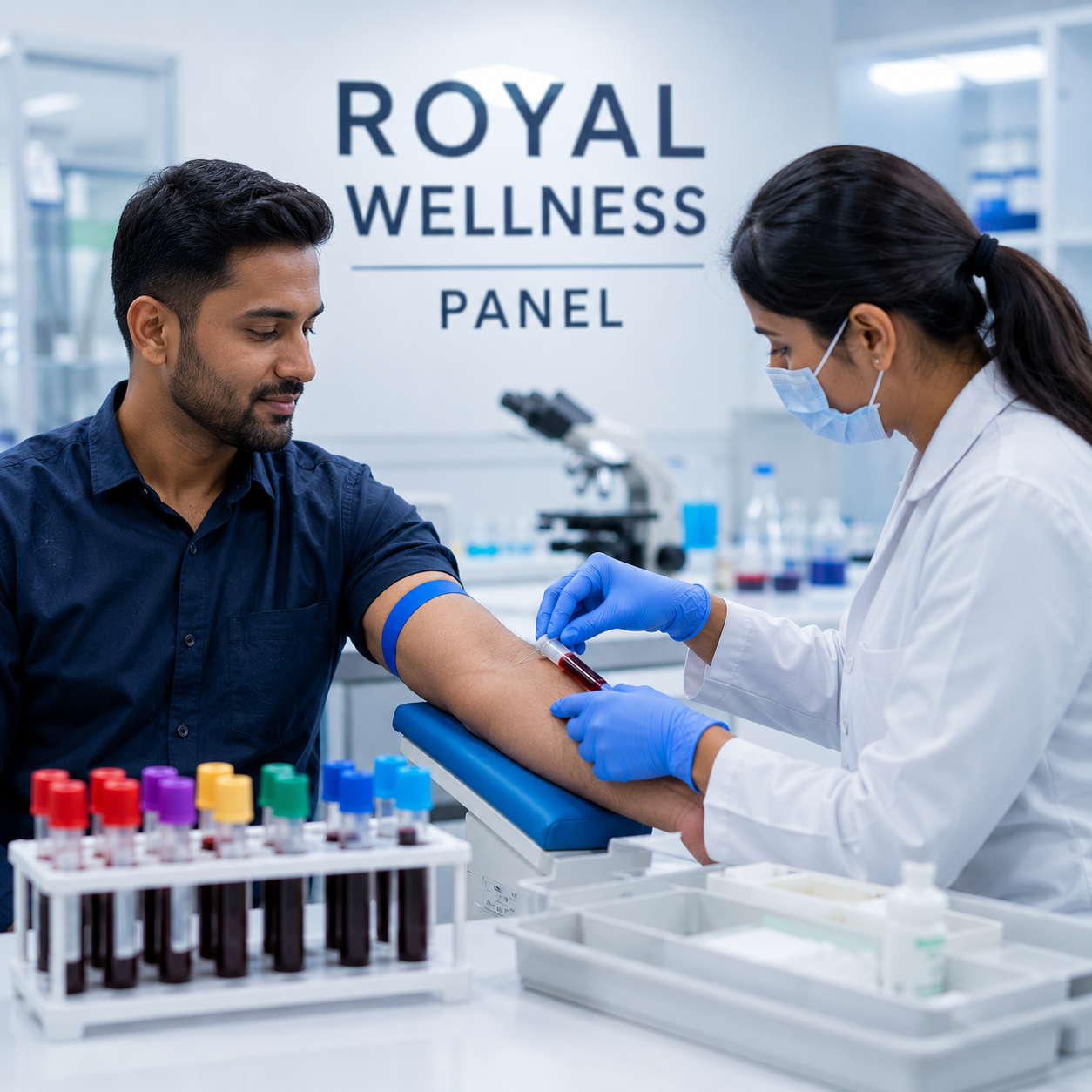
Several medical conditions mimic anxiety particularly thyroid disease, adrenal issues, cardiac arrhythmias, and hypoglycaemia. A blood panel including thyroid function, cortisol, blood sugar, Vitamin D, B12, and iron is ordered at Chughtai Clinic to rule out physical contributors and identify nutritional factors.
4
Differential Diagnosis
Anxiety frequently co-occurs with depression, ADHD, burnout, and hormonal disorders. Your psychiatrist ensures the correct primary diagnosis since treating anxiety when ADHD is the underlying issue, for example, will produce poor outcomes.
5
Personalised Treatment Plan
Based on the diagnosis, type of anxiety, severity, and your personal circumstances, a written treatment plan is provided. You leave the first appointment with complete clarity on what you have, why you have it, and exactly what the treatment pathway looks like.
7. Anxiety Treatment Options in Dubai What Works Best
There is no single "best" treatment for anxiety the most effective approach depends on the specific type of anxiety, its severity, your personal preferences, and any underlying contributing factors. At Chughtai Clinic, treatment is always personalised rather than protocol-based.
Psychotherapy
CBT gold standard for most anxiety disorders
Exposure therapy for phobias, panic, PTSD
EMDR for trauma-based anxiety and PTSD
DBT for emotion regulation difficulties
ACT Acceptance and Commitment Therapy
Mindfulness-Based CBT (MBCT)
Medication
SSRIs first-line for GAD, social anxiety, panic
SNRIs effective for GAD and generalised anxiety
Buspirone non-addictive option for GAD
Beta-blockers for performance / situational anxiety
Short-term benzodiazepines for acute crisis only
Always prescribed and monitored by DHA psychiatrist
Functional Approach (Chughtai Clinic)
Root cause investigation not just symptom control
Cortisol / adrenal testing for stress regulation
Thyroid, Vitamin D, B12, iron nutrition correction
Sleep architecture assessment and optimisation
Lifestyle prescription movement, diet, routines
Combined medication + CBT + functional care
8. Functional Psychiatry for Anxiety The Chughtai Clinic Difference
What distinguishes the approach at Chughtai Clinic Dubai from standard psychiatric care is the systematic investigation of underlying biological contributors to anxiety factors that conventional psychiatry often overlooks but that can profoundly affect treatment response.
Functional Psychiatry for Anxiety Root Causes Investigated
Cortisol / HPA Axis
Chronic stress dysregulates cortisol worsening anxiety biology directly
Thyroid Function
Hyperthyroidism produces identical symptoms to GAD racing heart, tremor, restlessness
Vitamin D
Severe deficiency common in Dubai's indoor population directly linked to anxiety and mood
Gut-Brain Axis
90% of serotonin is produced in the gut dysbiosis directly affects anxiety neurotransmission
Caffeine & Stimulants
Dubai's high coffee culture excessive caffeine dramatically amplifies anxiety symptoms
Sleep Disruption
Poor sleep is both a cause and effect of anxiety breaking this cycle is critical
Clinical Insight
In Dr. Balu Pitchiah's practice, a significant number of patients presenting with "anxiety that isn't responding to therapy" have undetected thyroid dysfunction, severe Vitamin D deficiency, or excessive caffeine consumption that is directly driving their symptoms. Addressing these physical contributors alongside psychological treatment produces dramatically better and faster outcomes.
9. Anxiety Medication in Dubai What Is Available and How It Works
All psychiatric medication in Dubai must be prescribed by a DHA-licensed psychiatrist or physician. Dubai follows strict DHA regulations on controlled substances including benzodiazepines, which require specific prescribing protocols and cannot be dispensed without a valid UAE prescription.
| Medication Type | Examples | How It Works | Best For | Onset |
|---|---|---|---|---|
| SSRIs | Sertraline, Escitalopram, Fluoxetine | Increase serotonin availability in the brain | GAD, social anxiety, panic, OCD, PTSD | 2–6 weeks |
| SNRIs | Venlafaxine, Duloxetine | Increase serotonin and norepinephrine | GAD, panic disorder, social anxiety | 2–6 weeks |
| Buspirone | Buspar | Serotonin receptor agonist non-addictive | GAD long-term treatment | 2–4 weeks |
| Beta-blockers | Propranolol | Block physical anxiety symptoms (heart rate, tremor) | Performance anxiety, situational anxiety | 1–2 hours |
| Benzodiazepines | Lorazepam, Clonazepam | Enhance GABA immediate calming effect | Acute anxiety crisis only NOT long-term | 30–60 min |
| Pregabalin | Lyrica | Reduces neuronal excitability | GAD, especially with somatic symptoms | 1–2 weeks |
Important Benzodiazepine Warning
Benzodiazepines (Valium, Xanax, Lorazepam) are highly addictive and are only appropriate for very short-term, acute crisis use. They do not treat anxiety they suppress it temporarily while creating physical dependence. At Chughtai Clinic, benzodiazepines are prescribed only in carefully defined circumstances and for the shortest possible duration.
10. Cognitive Behavioural Therapy (CBT) for Anxiety How It Works
CBT is the gold-standard psychological treatment for anxiety disorders consistently proven in clinical trials to be as effective as medication for mild-to-moderate anxiety, and more effective long-term because it equips patients with tools that last beyond treatment.
The CBT Model for Anxiety How Thoughts, Feelings & Behaviours Connect
SITUATION
Trigger Event
THOUGHTS
"Something terrible
is going to happen"
FEELINGS
Fear, dread, panic
racing heart
BEHAVIOURS
Avoid, escape,
seek reassurance
ANXIETY
CYCLE
CBT Breaks
This Cycle Here
CBT works by identifying and modifying the thought patterns that drive anxiety breaking the cycle at the cognitive stage before fear and avoidance behaviours develop. Typically 8–16 sessions for anxiety disorders.
In Dubai, CBT is available through psychiatrists who incorporate it into treatment plans, and through clinical psychologists and therapists who provide dedicated therapy sessions. At Chughtai Clinic, Dr. Balu Pitchiah integrates CBT principles into psychiatric consultations and refers to specialist therapists for structured CBT courses where needed.
11. Anxiety Treatment Costs in Dubai 2026
Transparency about cost is one of the most requested topics in Dubai mental health yet one that very few clinics provide clearly. The following figures are based on current Dubai market research.
Initial Psychiatric Consultation
AED 400 – 800
Full anxiety assessment, diagnosis, and treatment plan (45–60 min)
Follow-up Visit
AED 250 – 500
Progress review, medication adjustment, ongoing support (30 min)
CBT Session (Psychologist)
AED 350 – 700
Per 50-min CBT session with DHA-licensed therapist
Functional Anxiety Assessment
AED 600 – 1,200
Full consultation + blood panel + functional investigation
Telehealth Consultation
AED 300 – 600
Video consultation via Zoom for follow-ups and medication reviews
Full CBT Course (12 sessions)
AED 4,200 – 8,400
Complete 12-session CBT course most anxiety disorders resolve within this
Anxiety Treatment Cost Comparison Dubai 2026 (AED per service)
1200
800
400
200
0
400–800
Initial
Consult
250–500
Follow-
up
350–700
CBT
Session
600–1200
Functional
Assessment
300–600
Telehealth
Online
All prices in AED. Based on Dubai market rates March 2026. Insurance coverage significantly reduces out-of-pocket costs for most UAE residents.
Insurance Tip
Most UAE health insurance plans cover anxiety treatment as a psychiatric specialty consultation. Enhanced Daman plans, corporate plans (AXA, Cigna, MSH), and most hospital network plans include psychiatry. Contact Chughtai Clinic at +971 52 619 8738 or see our insurance partners page to verify your coverage before booking.
12. Insurance Coverage for Anxiety Treatment in Dubai UAE
| Insurance Plan | Psychiatry Coverage | CBT / Therapy | Notes |
|---|---|---|---|
| Daman (Basic) | Limited | Usually not covered | Emergency psychiatric care typically covered; outpatient limited |
| Daman (Enhanced) | Good | Partial | Includes specialist consultations; therapy may need pre-auth |
| AXA / MSH / Cigna (Corporate) | Generally good | Often included | Check annual mental health sub-limits; some cap at 20 sessions |
| MetLife / MedNet | Varies by plan | Varies | Confirm in-network providers before booking appointment |
| NAS / NextCare | Moderate | Limited | Pre-authorisation usually required for psychiatry |
13. Online Anxiety Treatment in Dubai Telehealth Options
Chughtai Clinic offers telehealth psychiatric consultations via Zoom particularly well-suited for anxiety treatment, since many patients with anxiety find in-person clinical settings themselves anxiety-provoking in the early stages of treatment.
Initial assessments typically require an in-person visit for new patients at Chughtai Clinic Dubai Healthcare City
Follow-up consultations available via Zoom for medication review, progress discussion, and ongoing support
CBT sessions can be delivered fully online with comparable outcomes to in-person therapy, per NICE guidelines
Prescriptions can be managed remotely for established patients; initial prescription requires in-person visit under UAE regulations
Emergency support same-day phone/WhatsApp consultation available for acute anxiety episodes during office hours
Book telehealth via WhatsApp: +971 52 619 8738
14. Evidence-Based Self-Help Strategies for Anxiety in Dubai
Alongside professional treatment, several evidence-based lifestyle interventions consistently reduce anxiety severity. These are not alternatives to clinical treatment for anxiety disorders but powerful adjuncts that accelerate recovery and reduce relapse risk.
| Strategy | Evidence Base | Practical Application in Dubai |
|---|---|---|
| Regular aerobic exercise | Meta-analyses show 30–40% reduction in GAD symptoms | Morning walks, gym sessions, swimming before peak heat (before 9AM or after 7PM) |
| Caffeine reduction | Caffeine directly stimulates the anxiety response at 400mg+ daily | Cap at 1–2 coffees per day Dubai's coffee culture often produces 5–6 cups without noticing |
| Sleep hygiene | Sleep deprivation increases amygdala reactivity by 60% directly worsening anxiety | Consistent sleep schedule, cool room, no screens 1 hour before bed |
| Diaphragmatic breathing | Activates parasympathetic nervous system reduces panic in 5–10 minutes | 4-7-8 breathing: inhale 4 sec, hold 7, exhale 8 practicable anywhere |
| Mindfulness practice | MBSR programmes reduce anxiety by 38% in clinical trials | 10 minutes daily using Headspace, Calm, or structured MBSR programme |
| Vitamin D supplementation | Deficiency linked to anxiety correction reduces symptoms in deficient individuals | Most Dubai residents are Vitamin D deficient test and supplement under medical guidance |
| Reducing news consumption | Doomscrolling significantly increases state anxiety demonstrated in multiple studies | Set a 20-minute news limit; avoid news within 1 hour of sleep |
Anxiety Is Treatable Start Today
Dr. Balu Pitchiah — Physician Consultant Psychiatry · DHA Licensed · Chughtai Clinic DHCC
Same-day appointments available · Insurance accepted · Telehealth available
Book Appointment
WhatsApp: +971 52 619 8738
Frequently Asked Questions
What is the best treatment for anxiety in Dubai?
The most effective anxiety treatment in Dubai combines Cognitive Behavioural Therapy (CBT) with medication where needed, plus lifestyle and functional medicine assessment. A DHA-licensed psychiatrist like Dr. Balu Pitchiah at Chughtai Clinic Dubai Healthcare City provides a personalised treatment plan addressing both symptoms and root causes.
How much does anxiety treatment cost in Dubai?
Anxiety treatment in Dubai costs AED 400–800 for an initial psychiatric consultation. CBT therapy sessions range from AED 350–700 per session. A comprehensive anxiety assessment including functional investigations costs AED 600–1,200. Most UAE insurance plans cover anxiety treatment as a specialist consultation.
Do I need a referral for anxiety treatment in Dubai?
No referral is required to book directly with an anxiety specialist at Chughtai Clinic Dubai. You can book via WhatsApp at +971 52 619 8738. Some insurance plans require a GP referral for full coverage the clinic team can advise before your appointment.
What type of doctor treats anxiety in Dubai?
A psychiatrist treats anxiety disorders in Dubai when medication may be needed or the condition is moderate to severe. A psychologist or therapist provides talk therapy (CBT) for mild to moderate anxiety. Dr. Balu Pitchiah at Chughtai Clinic is a DHA-licensed psychiatrist who provides both assessment and a comprehensive treatment plan for anxiety disorders.
What are the signs of an anxiety disorder in Dubai?
Signs of an anxiety disorder include persistent worry that is difficult to control, panic attacks, avoidance of situations, sleep problems, physical symptoms like racing heart or chest tightness, difficulty concentrating, and muscle tension lasting more than 6 months. If anxiety significantly affects daily functioning, professional assessment is recommended.
Can anxiety be cured in Dubai?
Anxiety disorders cannot always be permanently 'cured' but they are highly manageable 80% of patients with anxiety disorders show significant improvement with appropriate treatment. Many achieve long-term remission with CBT and functional treatment. The goal of anxiety treatment at Chughtai Clinic is not just symptom control but understanding and addressing the root cause.
Conclusion
Anxiety is not simply "stress" it is a real, diagnosable, and highly treatable medical condition. In Dubai's uniquely pressurised environment, it is also one of the most common conditions that goes unidentified for months or years while people continue to function beneath capacity, wondering why they always feel on edge, why they cannot switch off, why their heart races in meetings, and why they dread what used to excite them.
The good news is clear: with the right assessment and treatment, over 80% of people with anxiety disorders achieve significant recovery. The functional psychiatry approach at Chughtai Clinic Dubai goes further investigating not just what you feel but why, addressing the biological and lifestyle factors that maintain anxiety alongside evidence-based psychological and medical treatment.
The most important step is the first consultation. If you have been living with anxiety in Dubai whether GAD, panic disorder, social anxiety, or something in between Dr. Balu Pitchiah at Chughtai Clinic Dubai Healthcare City is here to help you understand what you are experiencing and create a clear path forward.