




























As a physician, I see patients every week who come in after a sports injurysome right after it happens, others weeks later when the pain hasn’t gone away. The most common thing I hear is, “I didn’t know if it was serious enough to see someone.”
Let me be clear: if pain or swelling stops you from moving normally, it’s serious enough to get checked. Waiting can turn a simple sprain into a long-term problem, and guessing can mean missing a fracture that needs proper care.
At Chughtai Clinic in Dubai, we treat sports injuries every day. From weekend footballers to professional athletes, we help people understand what’s happened, what to do next, and how to recover safely.
Common Sports Injuries We SeeAnd How We Treat Them
Most sports injuries fall into a few categories. Here’s a simple breakdown of what they are and how we typically approach them.
| Injury | What Usually Happens | What We Do |
|---|---|---|
| Ankle Sprain | Ligaments stretch or tear from a twist or roll. | Examine, possibly X-ray to rule out fracture, provide brace, advise on rest and rehab. |
| Muscle Strain | Muscle fibres tear during sprinting, jumping, or lifting. | Assess severity, recommend rest, ice, compression, and safe movement to regain strength. |
| Knee Pain | Often due to ligament stress, tendon irritation, or cartilage wear. | Evaluate stability, check for swelling, refer for imaging if needed, guide early management. |
| Shoulder Injury | Rotator cuff strain, tendonitis, or impingement from repetitive motion. | Test range of motion, assess strength, advise on rest, gentle exercises, and sometimes physio referral. |
| Tendonitis | Overuse causes inflammation in tendons (elbow, Achilles, wrist). | Identify the irritated tendon, recommend activity modification, ice, and sometimes a supportive strap. |
| Minor Fracture | Small crack or break from impact or stress over time. | Confirm with X-ray, immobilise with splint or cast, refer to orthopaedics for follow-up. |
Why Timing Matters: The First 72 Hours
In medicine, how you treat an injury in the first three days often shapes the next three weeks. Here’s what I tell my patients:
Swelling is your body’s response but too much can slow healing. Ice, compression, and elevation in the first 48–72 hours are not old wives’ tales; they work.
Pain is a signal, not just a nuisance. If it hurts to bear weight, or if the pain is sharp and localised, don’t “push through it.” Get it assessed.
Not all injuries look dramatic. A stress fracture might not swell much, and a partial ligament tear might not bruise. That’s why an exam sometimes with an X-ray is important.
If you’re unsure, come in. It’s better to be told it’s a mild sprain than to assume it is and later find out it was a small fracture.
What to Expect During Your Visit
When you come to Chughtai Clinic with a sports injury, here’s how we’ll take care of you:
We’ll listen first. How you got injured tells me a lot. A popping sound, whether you could walk after, where the pain is exactly these details guide the exam.
We’ll examine properly. I’ll check for swelling, tenderness, range of motion, and stability. Often, comparing your injured side to the healthy one helps clarify the issue.
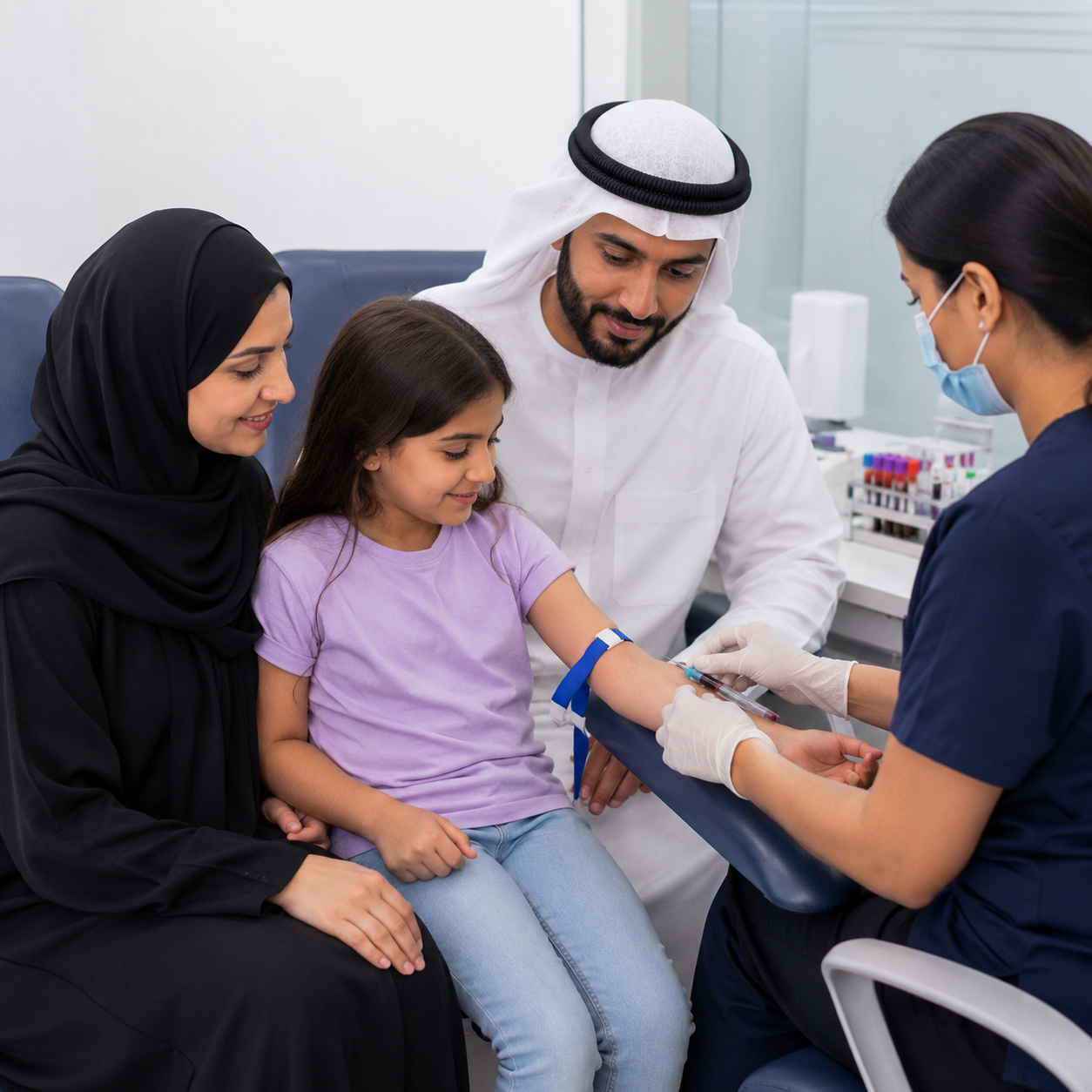
We’ll refer to our partners for X-ray if needed. Our partner centres have digital X-ray available.
We’ll explain clearly. You’ll leave knowing what you have, what to do at home, what to avoid, and when to follow up. If you need physiotherapy or specialist referral, we’ll arrange that.
Our goal is to give you a clear path forward, no confusion, no unnecessary waiting.
A Simple Guide: When to Rest, When to Come In, When to Go to Hospital
Patients often ask: “Is this clinic-level or hospital-level?” This table might help you decide:
| If you have… | Likely Best Step |
|---|---|
| Mild pain, some swelling, can still walk/move | Rest at home, ice, observe. If no better in 3 days, see a doctor. |
| Moderate pain, swelling, difficulty walking or lifting | Visit a clinic like ours for examination and possible X-ray. |
| Severe pain, inability to move or bear weight, visible deformity | Go to the nearest hospital emergency department. |
| Numbness, tingling, or loss of colour in the limb | Go to the nearest hospital emergency department. |
| Fever with injury or signs of infection (redness, heat) | See a doctor the same day. |
When in doubt, come to us. We can assess and, if it’s beyond our scope, direct you promptly to the right hospital or specialist.
Recovery Isn’t Just WaitingIt’s Active Healing
Too often, I see patients who rested completely for weeks, then wondered why their joint was stiff or their muscles weak. Recovery is a process:
Phase 1 (Days 1–3): Rest, ice, compression, elevation. Reduce swelling.
Phase 2 (First 2 weeks): Gentle movement as pain allows. Begin guided exercises.
Phase 3 (Weeks 3–6): Strengthen and stabilize. Prepare to return to sport.
Phase 4 (Week 6+): Gradual return to activity, ensuring proper form and support.
We help at every stage, whether through direct advice, physiotherapy referrals, or follow-up consultations.
Final Thoughts from My Clinic
Sports injuries are common, but they don’t have to become chronic issues. The key is timely, appropriate care. At Chughtai Clinic, we’re here to provide that care with clarity, compassion, and clinical expertise.
If you’re hurt, don’t downplay it. Come in, let us take a look, and leave with a plan. Your health and your return to the activities you loveis what matters most.
Disclaimer: This article is for general information and does not replace a personal medical consultation. If you have severe pain, inability to move a limb, or suspect a serious injury, please seek emergency care immediately.
If you have a sports injury, we’re here to help.
Visit us at any Chughtai Clinic in Dubai.
Walk-ins welcome. Appointments available for your convenience.