



































Medically reviewed by Dr Faryal Khalid, General Practitioner, and Dt Juliot Vinolia Rajarathinam, Licensed Clinical Dietician · Chughtai Clinic, Dubai Healthcare City · Last reviewed: October 2026
Quick answer: Despite year-round sunshine, low vitamin D is very common in the UAE. Large UAE studies have found deficiency in more than 7 out of 10 adults. That's because of time spent indoors, avoiding the midday heat, covered clothing, darker skin tones and limited dietary sources. Vitamin D helps your body absorb calcium, so it's essential for strong bones and muscles. A simple blood test shows your level, and a doctor or dietitian can guide safe correction.
In one minute
- ✦ Common in the UAE: a large Abu Dhabi study found 72% of adults deficient, and a 2025 review of 35 UAE studies found average levels below the deficiency threshold.
- ✦ Often silent: many people have no symptoms; others notice tiredness, aches, muscle weakness or low mood.
- ✦ Easy to check, and safe to correct with guidance: one blood test, then a personalised plan using food, sensible sun and supplements if needed.
Why your bones need vitamin D
Every 20 October, the International Osteoporosis Foundation (IOF) leads World Osteoporosis Day. The 2026 campaign is "Build, Protect and Strengthen Your Bones for Life", recognising that bone health matters at every age, from building strong bones in childhood to preventing fractures later in life.
Vitamin D is one of the foundations. Without enough of it, your body can't absorb calcium well from food, and over time bones can weaken. That raises the risk of osteoporosis and fractures, particularly for women after menopause.
Why vitamin D deficiency is so common in the UAE
It sounds surprising in a country with so much sun, but the research is consistent:
- A study of 12,346 people in Abu Dhabi found 72% were deficient (below 20 ng/mL) and a further 10% insufficient (Al Zarooni et al.)
- A 2025 systematic review of 35 UAE studies found a pooled average adult level of about 17.6 ng/mL, below the commonly used 20 ng/mL threshold (Alshamsi et al., Frontiers in Nutrition)
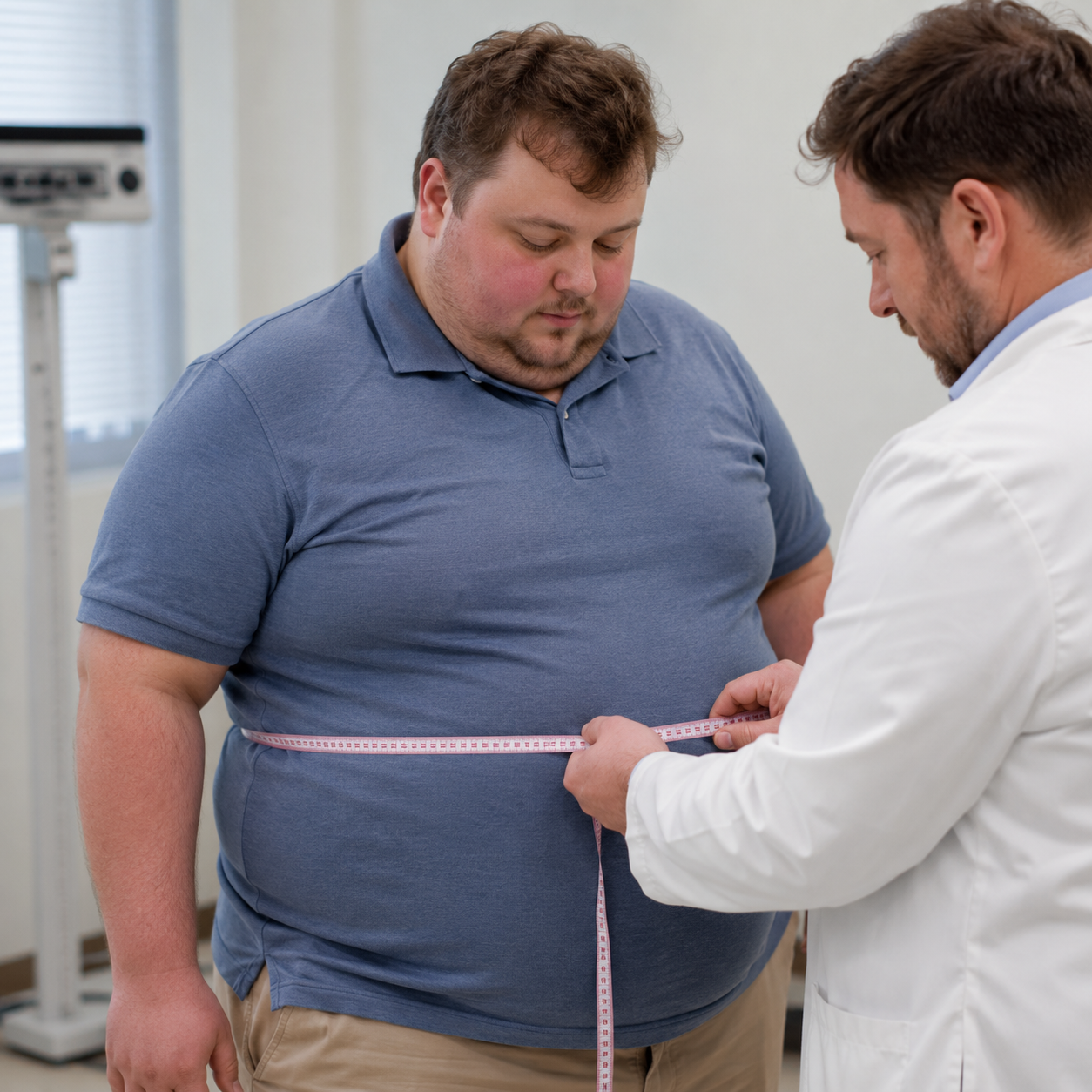
Why? 1. Avoiding the sun: in summer, most of us stay in air-conditioned spaces during the hours when UVB (which makes vitamin D) is strongest 2. Covered clothing: modest dress, sensibly chosen for comfort and culture, reduces skin exposure 3. Darker skin tones: need more sun to make the same amount of vitamin D 4. Sunscreen and glass: both block much of the UVB needed 5. Diet: few foods naturally contain much vitamin D 6. Higher body weight: vitamin D is stored in fat tissue, so less circulates in the blood
Symptoms to watch for
Many people with low vitamin D feel completely fine. When symptoms do appear, they can be vague:
- Tiredness or low energy
- Bone or back aches
- Muscle weakness, aches or cramps
- Low mood
- Getting ill more often
- Hair shedding (linked in some studies, though many factors cause hair loss)
These symptoms have many possible causes. That's why a blood test, not guesswork, is the right first step. Our nutrition and dietetics team and GPs can help interpret it.
Vitamin D, bone health and osteoporosis
Osteoporosis means bones have become thinner and more fragile, often with no symptoms until a fracture happens. Risk rises with age and is higher for:
- Women after menopause, as oestrogen loss speeds up bone loss (see our HRT guide and early menopause guide)
- People with a family history of osteoporosis or hip fracture
- Long-term use of certain medicines, such as steroids
- Smoking, low body weight and low physical activity
Build, protect, strengthen in practice: - Calcium-rich foods: dairy, fortified plant milks, sardines with bones, leafy greens, almonds - Vitamin D: from sensible sun, food and supplements where needed - Weight-bearing and strength exercise: walking, stairs and resistance training. Our physiotherapy team can create a safe plan, especially if you have joint pain (see joint pain after 40)
Who should get a vitamin D test?
Consider testing if you: - Spend most of the day indoors or wear covering clothing - Have darker skin - Are pregnant or breastfeeding - Are over 50, or are a woman after menopause - Have bone pain, muscle weakness or a history of fractures - Have conditions that affect absorption (such as coeliac disease or inflammatory bowel disease) or have had weight-loss surgery - Are carrying extra weight
How the test works and what results mean
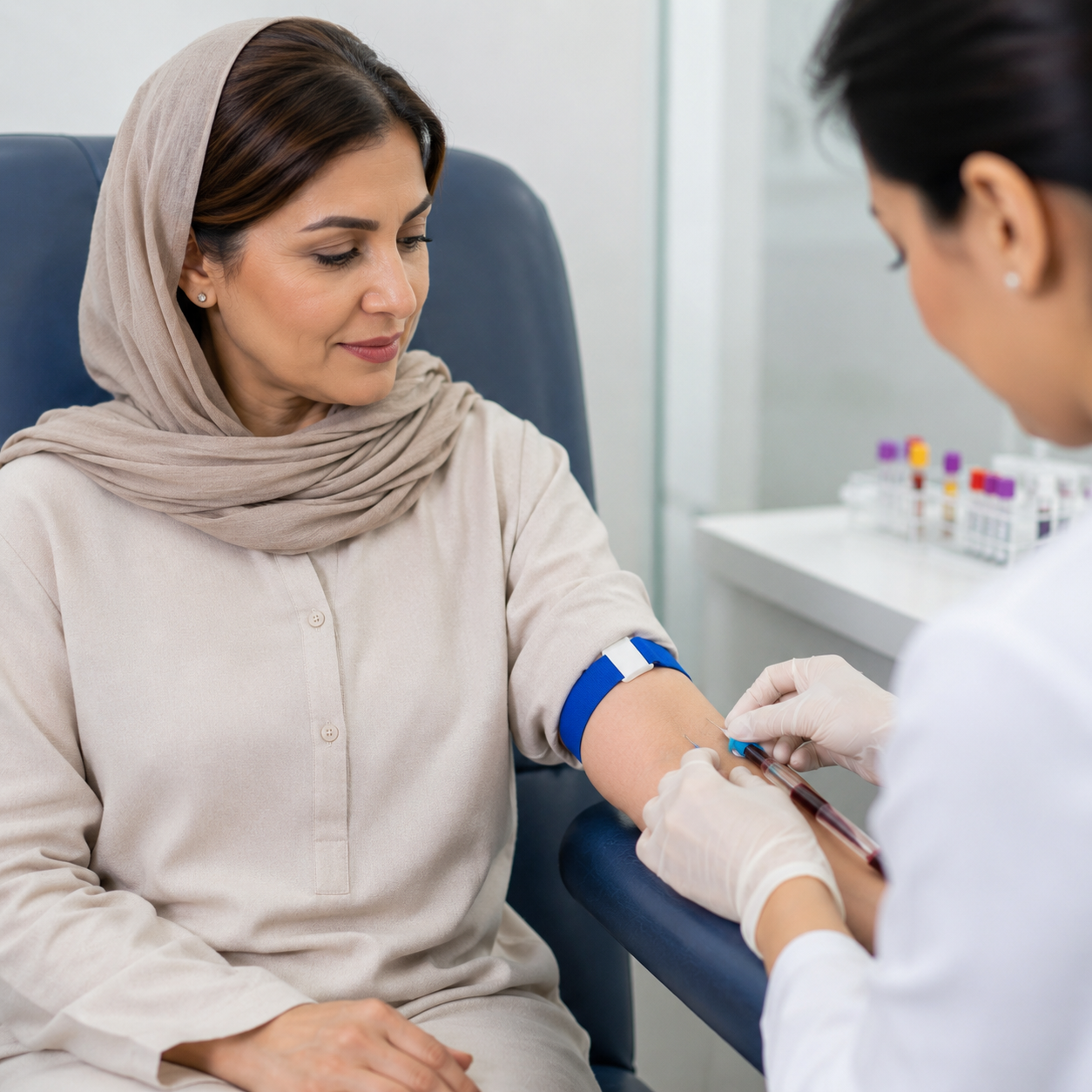
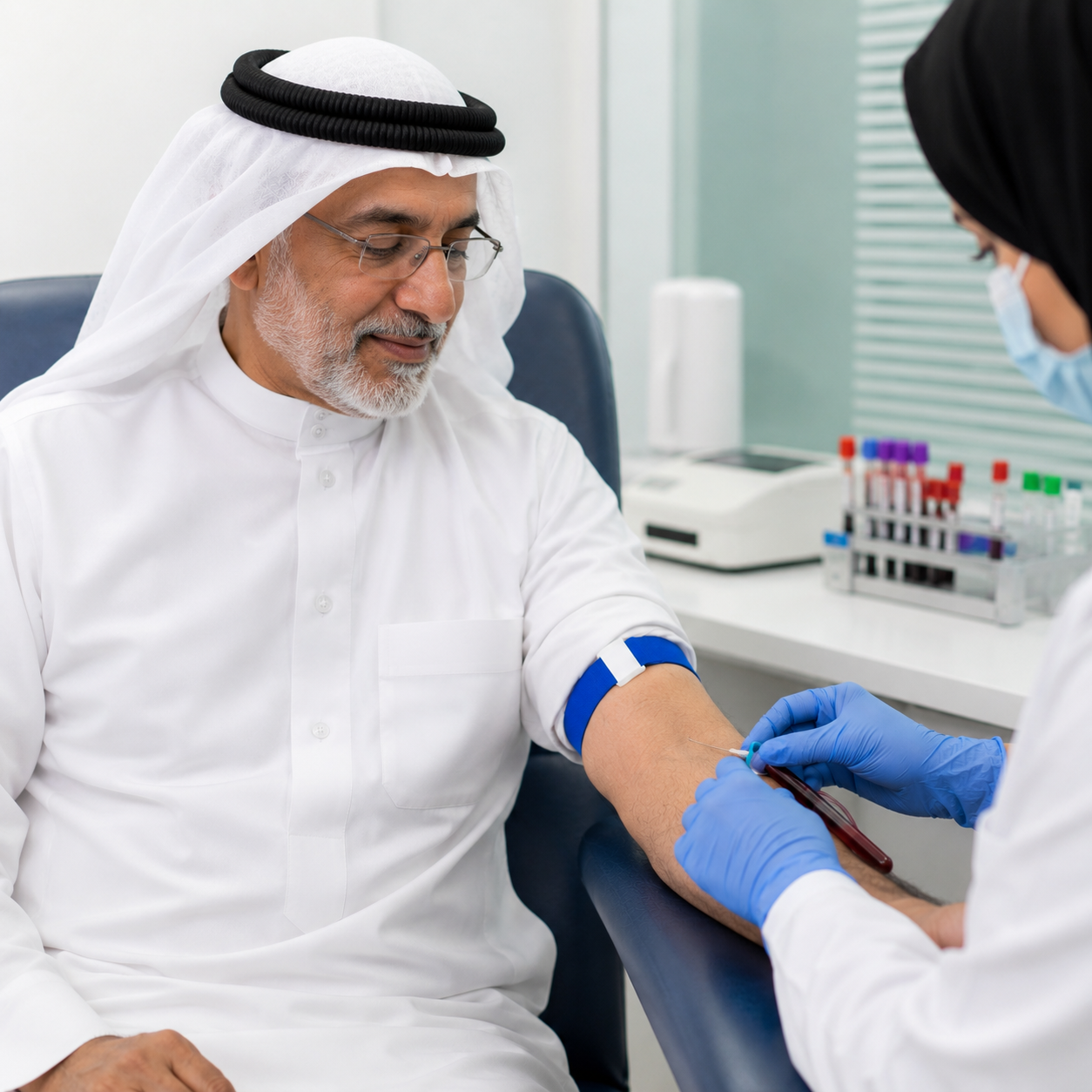
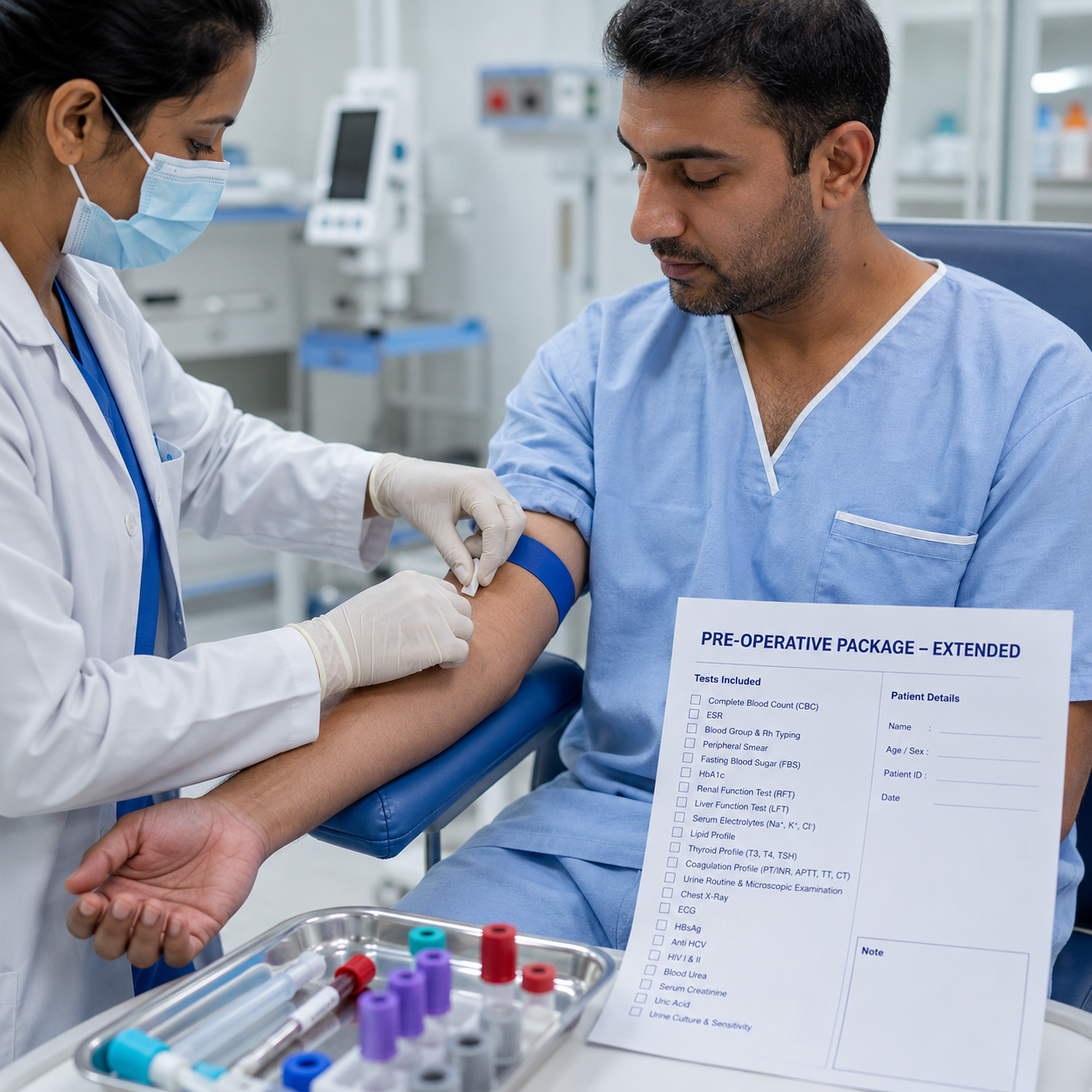
The test measures 25-hydroxyvitamin D [25(OH)D] in a small blood sample. You don't usually need to fast.
Labs commonly use ranges like these (exact cut-offs vary by lab and guideline):
| Level (ng/mL) | Commonly described as |
|---|---|
| Below 20 | Deficient |
| 20–29 | Insufficient |
| 30 and above | Sufficient for most people |
Your doctor will interpret your result alongside your health, symptoms and other tests, such as calcium, and iron if you're tired. Explore our comprehensive vitamin package, or the vitamin D & iron tests included in our Women's Health Screening.
Food sources: a dietitian's plate
Food alone rarely fixes a deficiency, but it helps keep levels up:
- Oily fish: salmon, sardines, mackerel
- Egg yolks
- Fortified foods: some milks, laban, yoghurts, cereals and plant milks (check labels)
- Mushrooms exposed to UV light
- Pair with calcium sources for bone health
Our clinical dietician can build a plan around your tastes, culture and health goals.
Supplements: why the dose should be guided
Vitamin D supplements are widely available, but more isn't always better. Very high doses taken for a long time can raise calcium levels and cause problems. The right dose depends on your starting level, body weight, health conditions and medicines.
Get tested, then follow a plan from your doctor or dietitian, with a re-test to check progress.
Sensible sun in Dubai
- Short periods of sun on arms and legs can help, but avoid the hottest midday hours in summer and never let your skin burn
- Winter months (roughly November to March) make outdoor time more comfortable
- People with darker skin need longer exposure; those with a history of skin cancer should rely on food and supplements instead
Check your vitamin D levels. 📞 Call +971 52 619 8738 · 💬 WhatsApp us · 📍 102, Building 47, Dubai Healthcare City
Frequently asked questions
How long does it take to correct low vitamin D? It often takes 8–12 weeks of a guided plan to raise levels, depending on how low you started. Your doctor may re-test after a few months.
Can too much vitamin D be harmful? Yes. Very high doses over a long time can lead to high calcium levels. That's why the dose should be based on a blood test and medical advice.
Do I need to fast for a vitamin D test? Usually not. Our team will let you know if any other tests you're having need fasting.
Does sunscreen stop me making vitamin D? Sunscreen reduces vitamin D production, but skin protection still matters. Most people can protect their skin and maintain healthy levels through diet and supplements if needed.
Is vitamin D deficiency linked to hair loss and tiredness? Low vitamin D has been associated with fatigue and hair shedding in some studies, but these symptoms have many causes. A doctor can check vitamin D alongside iron, thyroid and other factors.
This article is for general education and does not replace medical advice. Please don't start high-dose supplements without speaking to a doctor.
References
- International Osteoporosis Foundation. World Osteoporosis Day 2026: Build, Protect and Strengthen Your Bones for Life.
- Al Zarooni AAR, et al. Prevalence of vitamin D deficiency and associated comorbidities among Abu Dhabi Emirates population. BMC Research Notes, 2019.
- Alshamsi MA, et al. Vitamin D status among apparently healthy individuals in the UAE: a systematic review. Frontiers in Nutrition, 2025.