
































Peptide Therapy: What It Is, and What It Isn't
Peptides have become one of the most talked-about topics in modern wellness — but also one of the most misunderstood. Between social media claims and unregulated online sellers, it's easy to lose sight of what peptide therapy actually is, and why it should only ever be approached through licensed medical care.
What Are Peptides?
Peptides are short chains of amino acids — the same building blocks that make up proteins. They occur naturally in the human body and play a role in how cells communicate with one another, influencing processes like tissue repair, hormone regulation, and metabolic function.
Because of this, peptides have become an area of growing clinical interest — not as a shortcut or a trend, but as a tool that, when used appropriately and under medical supervision, may support specific, evidence-based health goals.
Why Medical Supervision Matters
Not all peptides are created equal, and not all are approved for general or cosmetic use. The peptide market online is largely unregulated, with many products sold without quality control, correct dosing information, or any clinical oversight. This is where risk enters — improper use, contamination, or incorrect dosing can cause real harm.
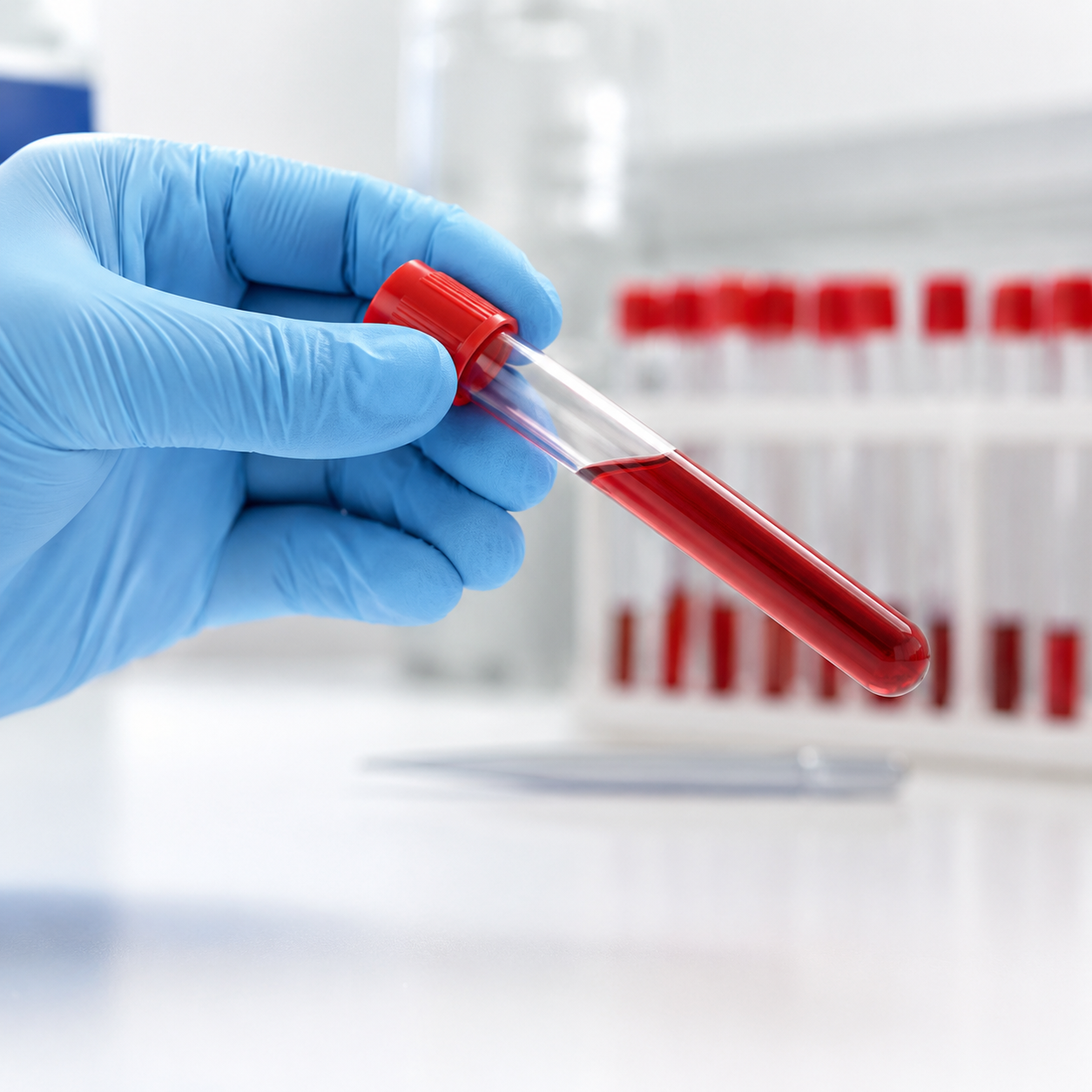
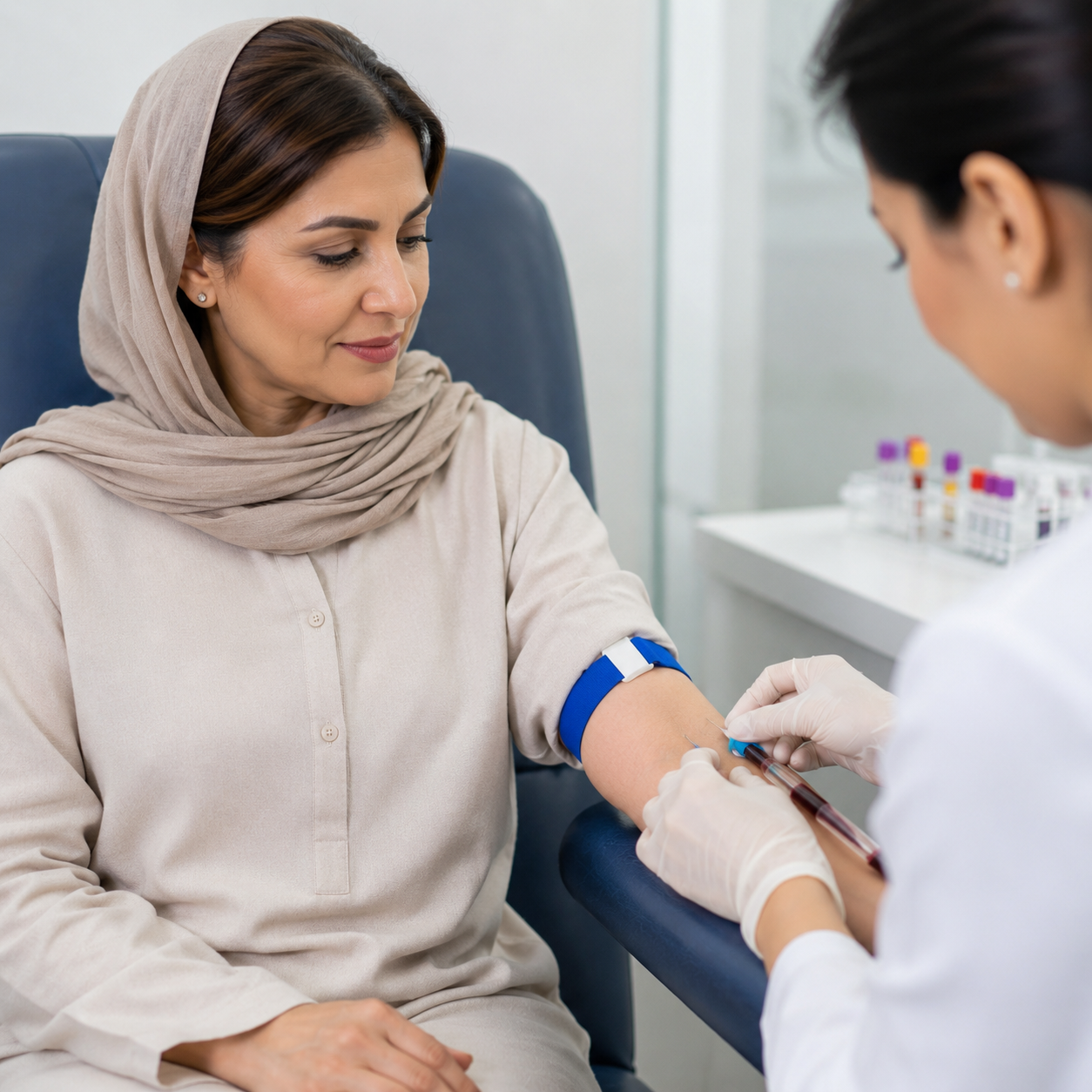
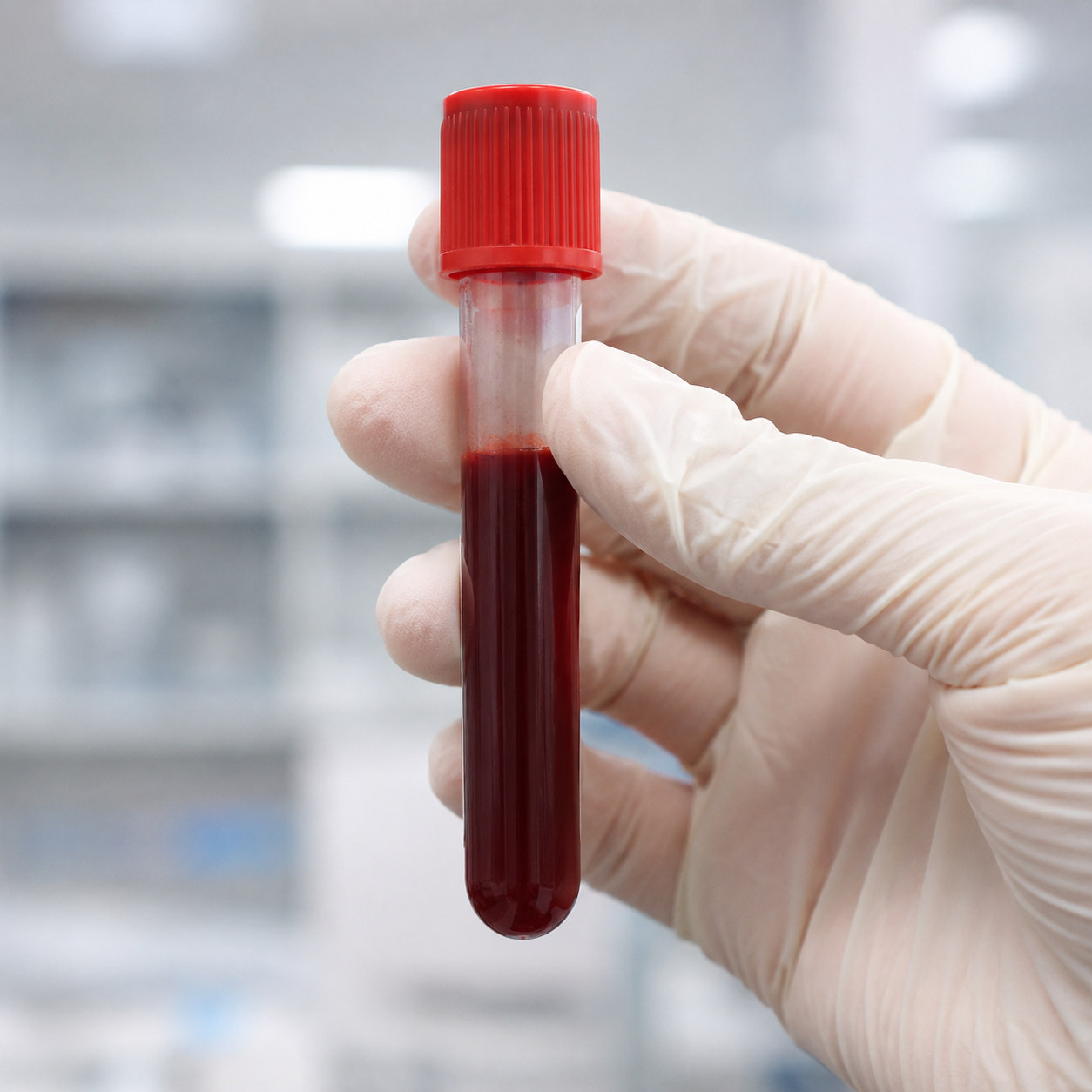
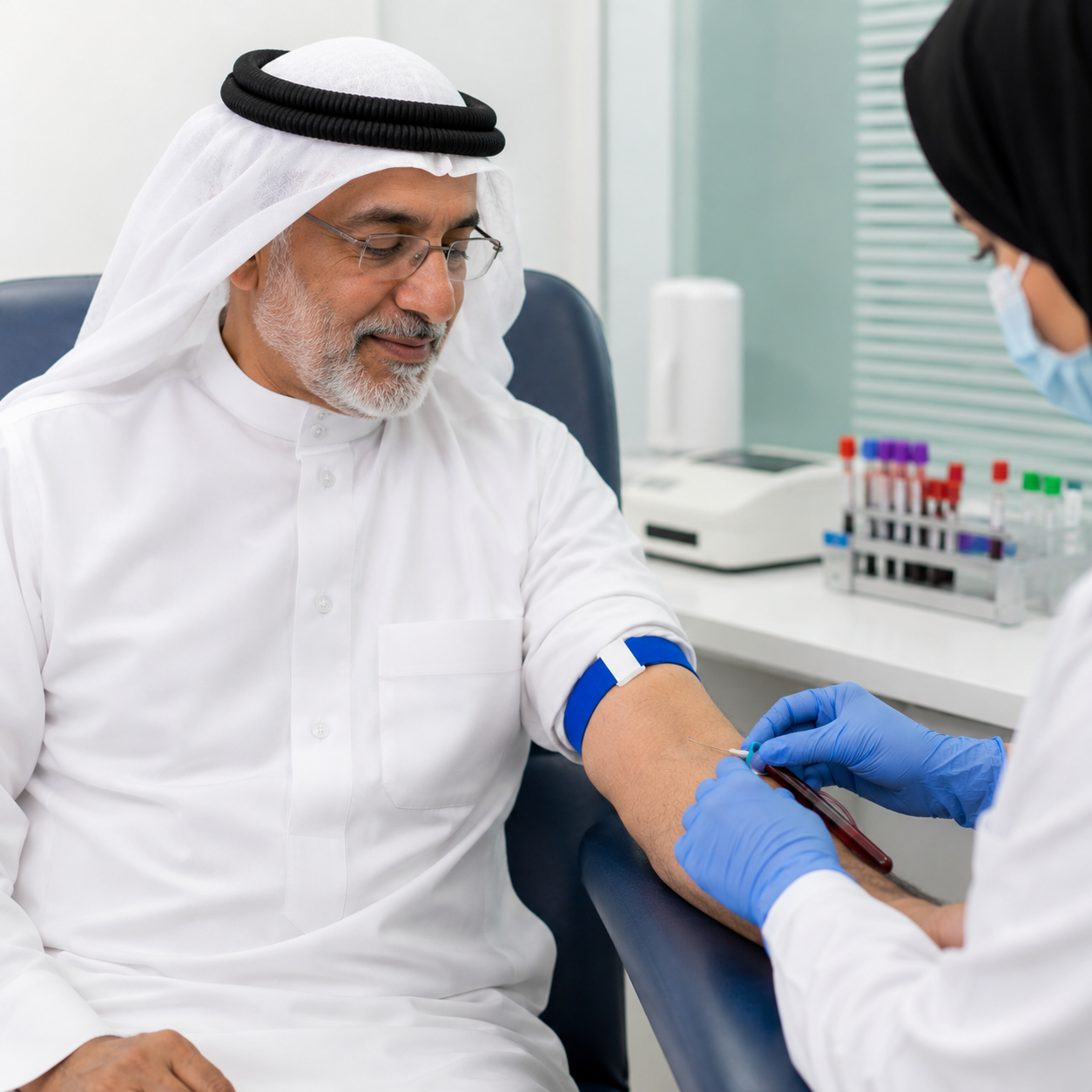
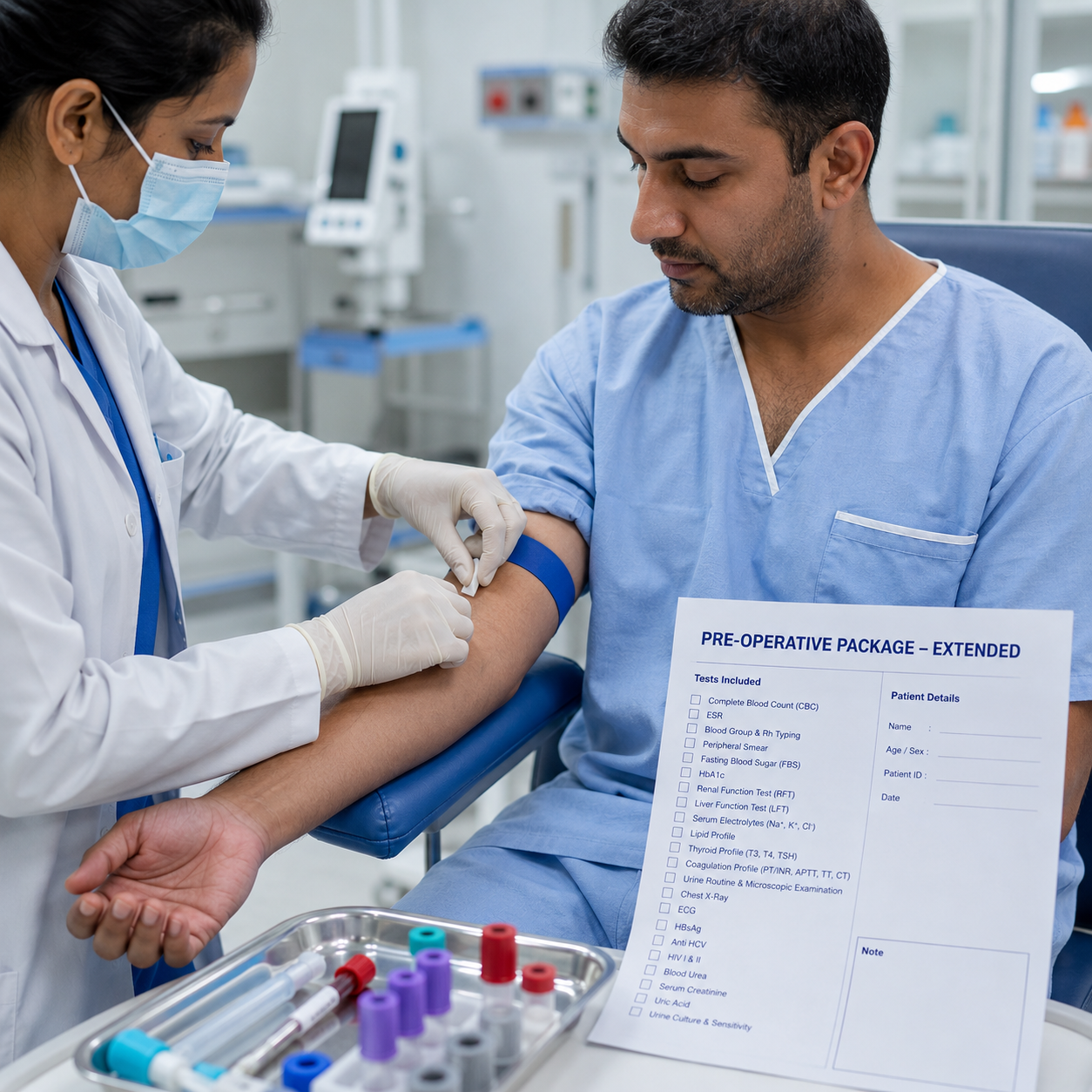
At a licensed clinic, peptide therapy looks very different. It begins with a full clinical assessment — reviewing your health history, relevant bloodwork, and goals — before a physician determines whether peptide therapy is appropriate for you at all, and if so, which protocol fits your needs.
Who Might Consider Peptide Therapy?
Because peptide therapy is highly individualized, there's no single answer to who it's "for." A physician evaluation is the only way to determine suitability. Generally, people explore peptide therapy as part of a broader plan involving:
- Recovery and physical performance support
- Metabolic health goals
- Overall wellbeing and vitality, particularly during hormonal transitions like perimenopause and menopause
Peptide therapy is not a stand-alone fix and works best as part of a comprehensive care plan — not a replacement for it.
What to Expect at a Licensed Clinic
- Consultation — a physician reviews your health history and current goals
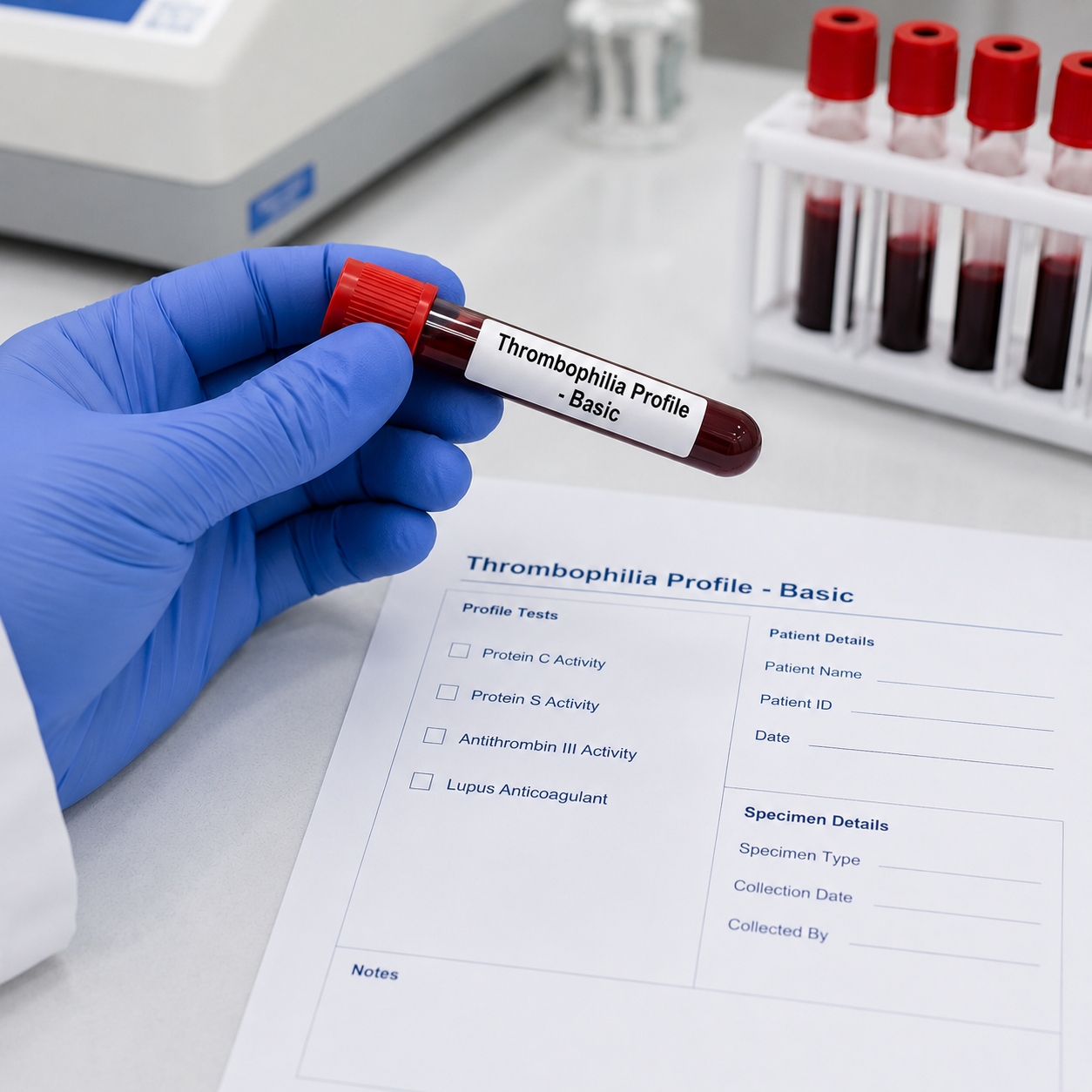
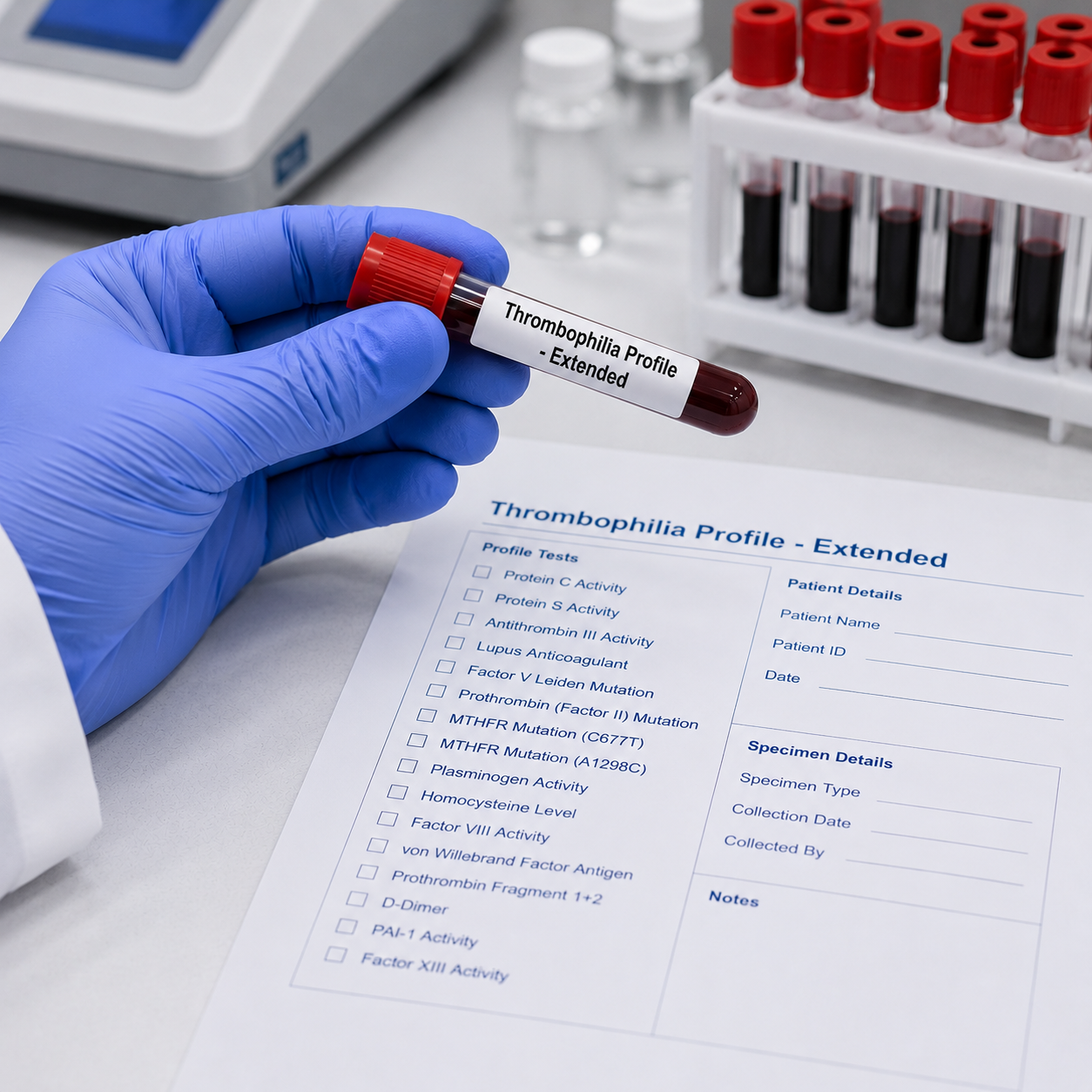
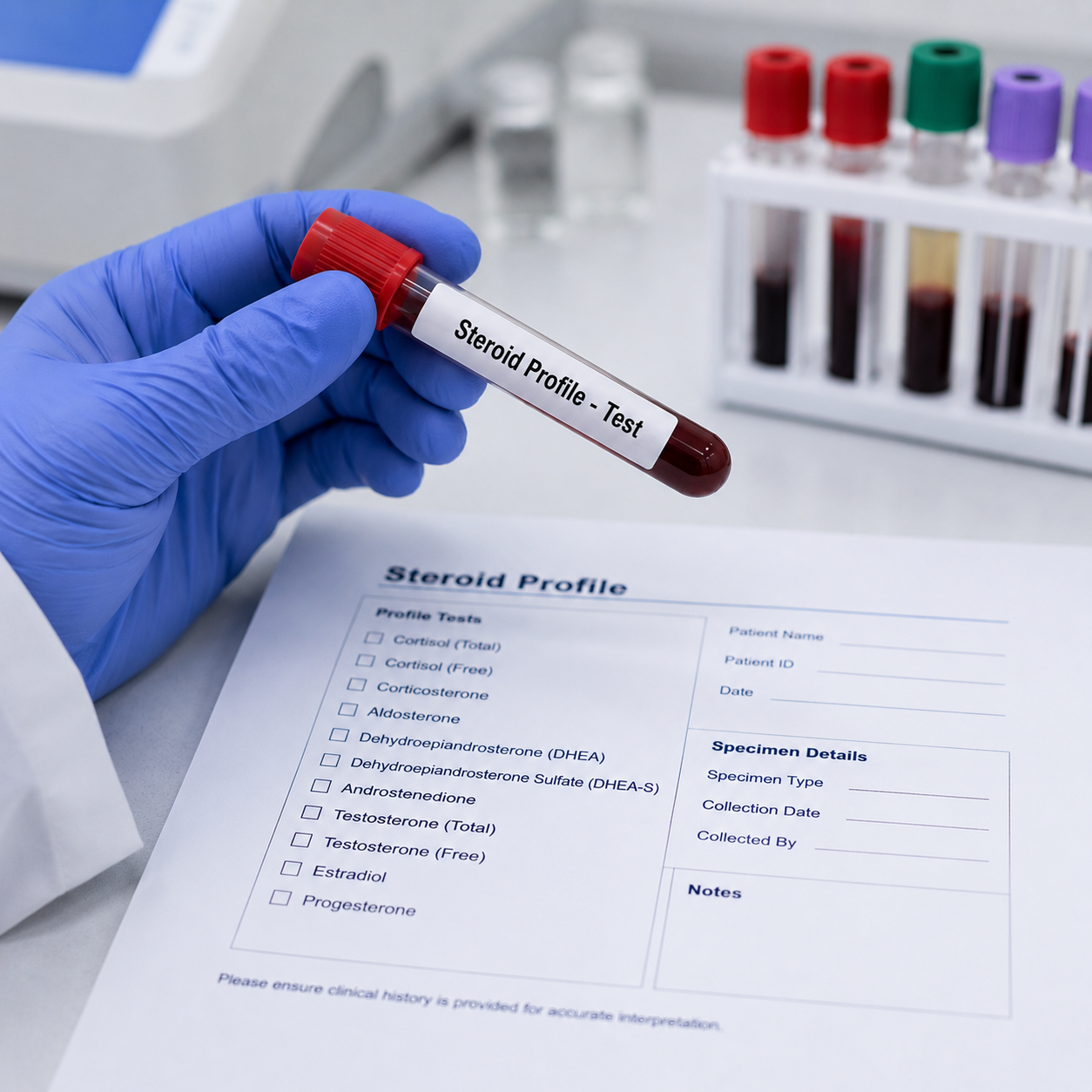
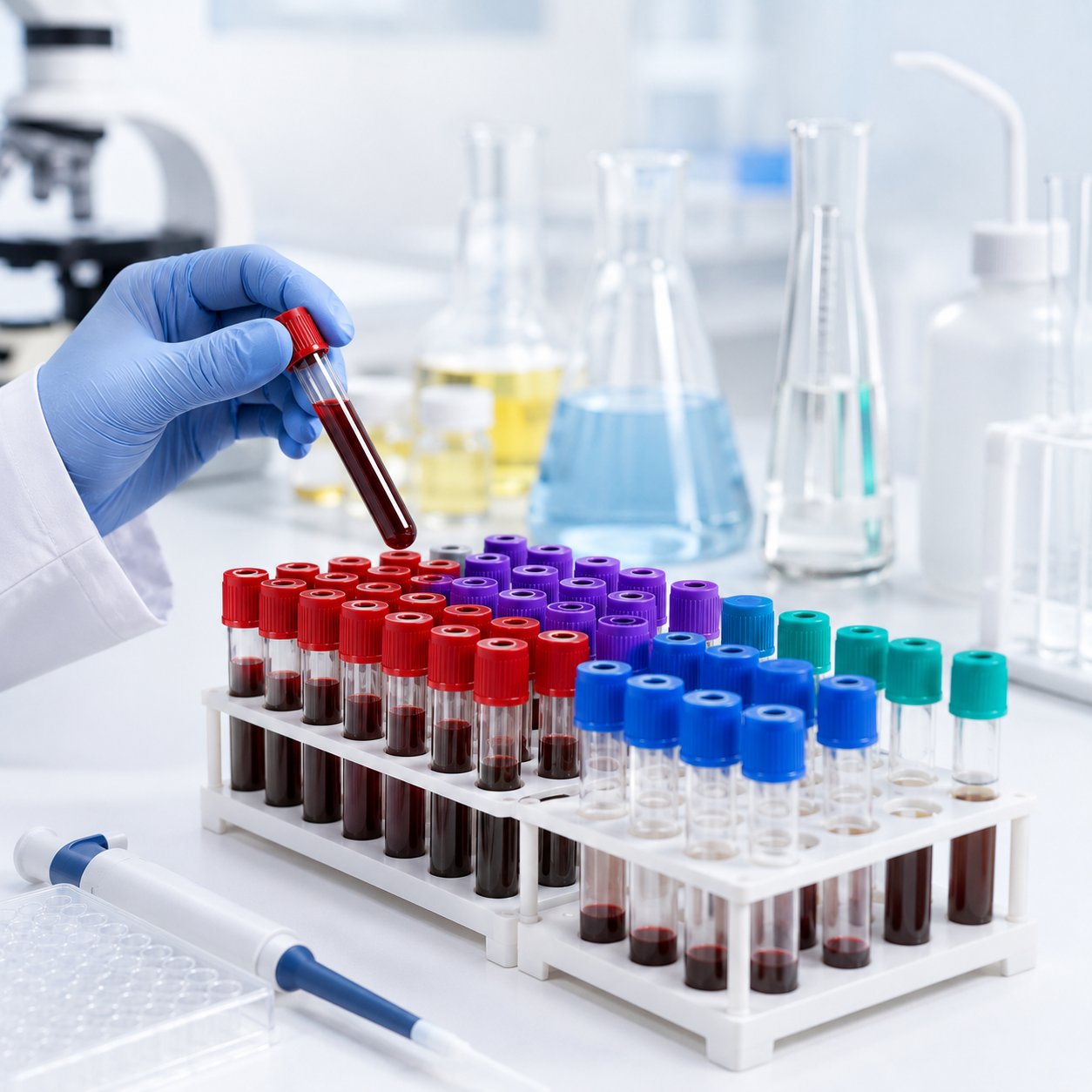
- Assessment — relevant bloodwork or diagnostics, if needed, to confirm suitability
- Personalised Protocol — if appropriate, a plan tailored to your results, not a generic program
- Ongoing Monitoring — follow-up to track progress and adjust as needed
The Bottom Line
Peptide therapy sits at the intersection of promising science and genuine risk when unsupervised. The difference between the two is medical oversight. If you're considering peptide therapy, the first step isn't choosing a protocol — it's having a qualified physician determine whether it's right for you in the first place.
Peptide therapy at Chughtai Clinic is available only following a full clinical evaluation by a licensed physician.