






































Dubai runs fast. The city demands performance long hours, high targets, relentless ambition, and the constant pressure to justify your place in one of the world's most competitive professional environments. It is no surprise that burnout and depression have become two of the most common mental health concerns among Dubai's working population.
But here is the problem: burnout and depression feel similar. Both leave you exhausted, disconnected, and unable to function at your best. Both affect your work, your relationships, and your sense of self. Yet they are fundamentally different conditions and they require different treatments. Treating burnout like depression, or dismissing depression as "just burnout," can cost months of recovery time.
In this guide, Dr. Balu Pitchiah consultant psychiatrist at Chughtai Clinic Dubai Healthcare City breaks down the key differences, warning signs, and exactly when to seek professional help.
Quick Answer
Burnout is caused by chronic workplace stress and improves with rest and removal from the stressor. Depression is a clinical condition that persists regardless of circumstances and does not resolve with rest alone. Burnout can develop into depression if left untreated. Both are treatable the key is getting the right diagnosis. Call +971 52 619 8738
67%
Employees globally experiencing burnout symptoms
WHO / Gallup 2025
1 in 5
Dubai professionals report high burnout risk in surveys
Dubai Workplace Study
280M
People worldwide living with depression
WHO 2025
3x
Higher depression risk in individuals with untreated burnout
Journal of Occupational Health
Table of Contents
Why Dubai Is a Burnout Capital
What Is Burnout? WHO Definition
What Is Depression? Clinical Explanation
Burnout vs Depression Full Comparison
The Burnout–Depression Spectrum
Self-Assessment: Which One Do You Have?
Can Burnout Turn Into Depression?
Treatment for Burnout in Dubai
Treatment for Depression in Dubai
When to See a Psychiatrist
Functional Psychiatry Approach
Frequently Asked Questions
1. Why Dubai Is a Burnout Capital
Dubai is unlike almost any other city on earth. It is a place where careers are built at extraordinary speed, financial stakes are high, and social pressure to perform and be seen performing is relentless. Several structural features of life in Dubai create near-perfect conditions for burnout:
Long working hours UAE labour law allows up to 48 hours per week, and many professionals work significantly more
No social safety net expats lose residency when they lose their job, creating existential pressure attached to every professional decision
Distance from family over 88% of Dubai residents are expatriates, most without the support networks they had at home
High cost of living financial pressure means many people cannot afford to slow down even when their body is demanding it
Always-on culture WhatsApp work groups, late-night emails, and weekend availability are normalised in many sectors
Identity tied to achievement in a city built on ambition, slowing down can feel like failure
Extreme climate months of intense heat limit outdoor activity and affect sleep quality, mood, and energy
Dr. Balu Pitchiah's Clinical Observation
"In my practice at Chughtai Clinic Dubai, a significant proportion of the patients I see present with what they describe as 'extreme tiredness' or 'not feeling like themselves.' Many have been living with burnout for 6–12 months before seeking help often because they normalised the exhaustion as simply 'how Dubai is.' By the time they arrive, the line between burnout and depression has frequently become blurred."
2. What Is Burnout? The WHO Definition
In 2019, the World Health Organization officially classified burnout in ICD-11 as an "occupational phenomenon" not a medical disease, but a recognised syndrome resulting from chronic workplace stress that has not been successfully managed.
The WHO defines burnout through three core dimensions:
WHO Definition of Burnout 3 Core Dimensions (ICD-11)
Dimension 1
Exhaustion
Feelings of energy depletion
or complete burnout physical
and emotional exhaustion
Dimension 2
Cynicism
Increased mental distance from
one's job, negative or cynical
feelings about one's career
Dimension 3
Reduced Efficacy
Reduced professional efficacy
feeling unable to perform at
one's usual standard
Source: World Health Organization ICD-11 Classification of Burnout, 2019. Note: WHO specifies burnout refers specifically to occupational context.
Critically, burnout is work-specific. It originates from the professional environment and is primarily felt in that context at least in the early stages. A person with burnout can often still enjoy a weekend, a holiday, or time with family. They feel better when away from work. This is one of the key distinguishing features from depression, where no environment provides reliable relief.
The 5 Stages of Burnout Dubai Context
1
The Honeymoon Phase
High energy, optimism, and willingness to take on anything. In Dubai's work culture this phase is often prolonged driven by ambition, financial motivation, and the excitement of a new city or role. Warning signs are easy to miss.
2
Onset of Stress
Some days feel harder than others. Sleep begins to suffer. You notice irritability, occasional anxiety, and reduced creativity. Most people in Dubai push through this stage often for months without recognising it as a warning.
3
Chronic Stress
Persistent fatigue, procrastination, missed deadlines, physical symptoms (headaches, gut issues), social withdrawal. Work performance visibly drops. Resentment toward the job or employer begins to develop.
4
Full Burnout
Complete emotional exhaustion. Cynicism takes over. You feel nothing about work no satisfaction, no motivation, no pride. Physical symptoms become chronic. This is the stage most patients present at Chughtai Clinic.
5
Habitual Burnout Depression Risk Zone
Burnout symptoms become entrenched. Low mood persists even outside work. Sleep disorders, anxiety, and depressive symptoms emerge. At this stage, professional psychiatric assessment is critical the boundary between burnout and clinical depression has been crossed.
3. What Is Depression? A Clinical Explanation
Clinical depression (Major Depressive Disorder) is a recognised medical condition not a personality trait, not a sign of weakness, and not something that resolves simply through rest or positive thinking. It involves persistent changes in mood, cognition, sleep, appetite, and energy that are caused by measurable neurobiological changes in the brain.
Unlike burnout, depression is not confined to the workplace. It permeates every area of life relationships, leisure activities, personal hygiene, the ability to feel pleasure from anything. A depressed person may take a two-week holiday and return feeling exactly as hollow as before. This is fundamentally different from burnout.
Clinical Diagnostic Criteria
A diagnosis of Major Depressive Disorder requires 5 or more of the following symptoms present for at least 2 consecutive weeks, including either depressed mood or loss of interest: depressed mood, loss of interest or pleasure, significant weight change, insomnia or hypersomnia, psychomotor agitation or retardation, fatigue, feelings of worthlessness or guilt, difficulty concentrating, and recurrent thoughts of death. (DSM-5 Criteria)
4. Burnout vs Depression The Complete Comparison
This is the question most people arrive at Chughtai Clinic asking: "Is what I am feeling burnout or depression?" The following breakdown based on Dr. Balu Pitchiah's clinical experience with Dubai's working population provides the clearest answer.
Burnout
Exhaustion primarily linked to work
Emotions still present mostly frustration, resentment
Better on weekends, holidays, time off work
Can still find pleasure in non-work activities
Self-esteem tied to job "I used to be good at this"
Social withdrawal mainly around work-related topics
Responds to rest, recovery, and change in environment
Depression
Pervasive exhaustion affects all areas of life
Emotional numbness or emptiness feelings are blunted
Does not improve with rest, holidays, or time off
Anhedonia loss of pleasure in things previously enjoyed
Global loss of self-worth "I am worthless as a person"
Complete social withdrawal from all relationships
Does not resolve without clinical treatment
| Feature | Burnout | Depression |
|---|---|---|
| Primary Cause | Chronic occupational stress | Neurobiological multiple triggers |
| Scope | Work-specific (initially) | All areas of life |
| Mood | Frustration, cynicism, detachment | Persistent sadness, emptiness, hopelessness |
| Pleasure | Still present outside work | Absent across all domains (anhedonia) |
| Self-worth | "I've lost my edge at work" | "I am worthless as a person" |
| Response to Rest | Improves | Does not improve |
| Physical Symptoms | Fatigue, headaches, tension | Fatigue, appetite/weight change, psychomotor slowing |
| Sleep | Difficulty switching off from work thoughts | Insomnia, early waking, or hypersomnia |
| Thoughts of Death | Rare | May occur requires immediate assessment |
| WHO Classification | Occupational Phenomenon (ICD-11) | Medical Condition (ICD-11) |
| Primary Treatment | Recovery, restructuring, therapy | Medication + psychotherapy + clinical support |
| Resolves Without Treatment? | Often yes with adequate rest | Rarely without clinical intervention |
5. The Burnout–Depression Spectrum It Is Not Always Black and White
One of the most important things Dr. Balu Pitchiah emphasises in consultations is that burnout and depression are not always distinct, separate conditions. In clinical reality, they exist on a spectrum and a significant number of patients present somewhere in the middle.
The Burnout to Depression Spectrum
Pure
Burnout
Burnout +
Anxiety
Burnout-Induced
Depression
Clinical
Depression
Responds to rest
& recovery strategies
Requires professional
assessment to distinguish
Requires clinical treatment
medication may be needed
Many Dubai patients present in the middle range where burnout and depression overlap. Professional psychiatric assessment determines the correct diagnosis and treatment pathway.
6. Self-Assessment Is It Burnout or Depression?
The following checklist is based on Dr. Balu Pitchiah's clinical intake framework. It is not a diagnostic tool only a qualified psychiatrist can provide a formal diagnosis. However, it provides a useful first indication of where your symptoms may sit on the spectrum.
Burnout vs Depression Indicator Checklist
Select all statements that apply to you over the past 2–4 weeks:
I feel exhausted mainly because of work at weekends or on leave I feel somewhat better
Even on weekends or during time off, I feel just as low and empty as I do at work
I still enjoy some activities outside work hobbies, time with family, exercise
I have lost interest in things I used to enjoy not just work but hobbies and relationships too
I feel frustrated and resentful about my job, but I still care about it on some level
I feel numb or empty not just tired or frustrated, but genuinely hollow
I have had thoughts that life is not worth living, or that others would be better off without me
My self-esteem at work has dropped significantly, but I still feel okay about myself as a person
I feel worthless as a person not just as an employee
I am not sure anymore some days feel like burnout, others feel much darker and harder to explain
See Indication
Important
If you selected item 7 thoughts that life is not worth living please seek help immediately. Chughtai Clinic: +971 52 619 8738 | UAE Mental Health Line: 800 HOPE (4673) | Emergency: 998
7. Can Burnout Turn Into Depression?
Yes and this is one of the most clinically important facts about burnout. Research consistently shows that prolonged, untreated burnout is a significant independent risk factor for developing clinical depression. A 2023 meta-analysis in the Journal of Occupational Health Psychology found individuals with severe burnout have a 3x higher likelihood of developing major depression within 12 months.
How Untreated Burnout Progresses to Depression Typical Timeline
Month 1–2
Stress &
Fatigue
Month 3–4
Chronic
Burnout
Month 5–7
Anxiety &
Mood Drops
Ideal
Intervention
See Psychiatrist
NOW
Month 8–12+
Clinical
Depression
Without intervention:
Timeline is approximate and varies by individual. Key insight: intervention between months 4–7 significantly reduces risk of developing clinical depression.
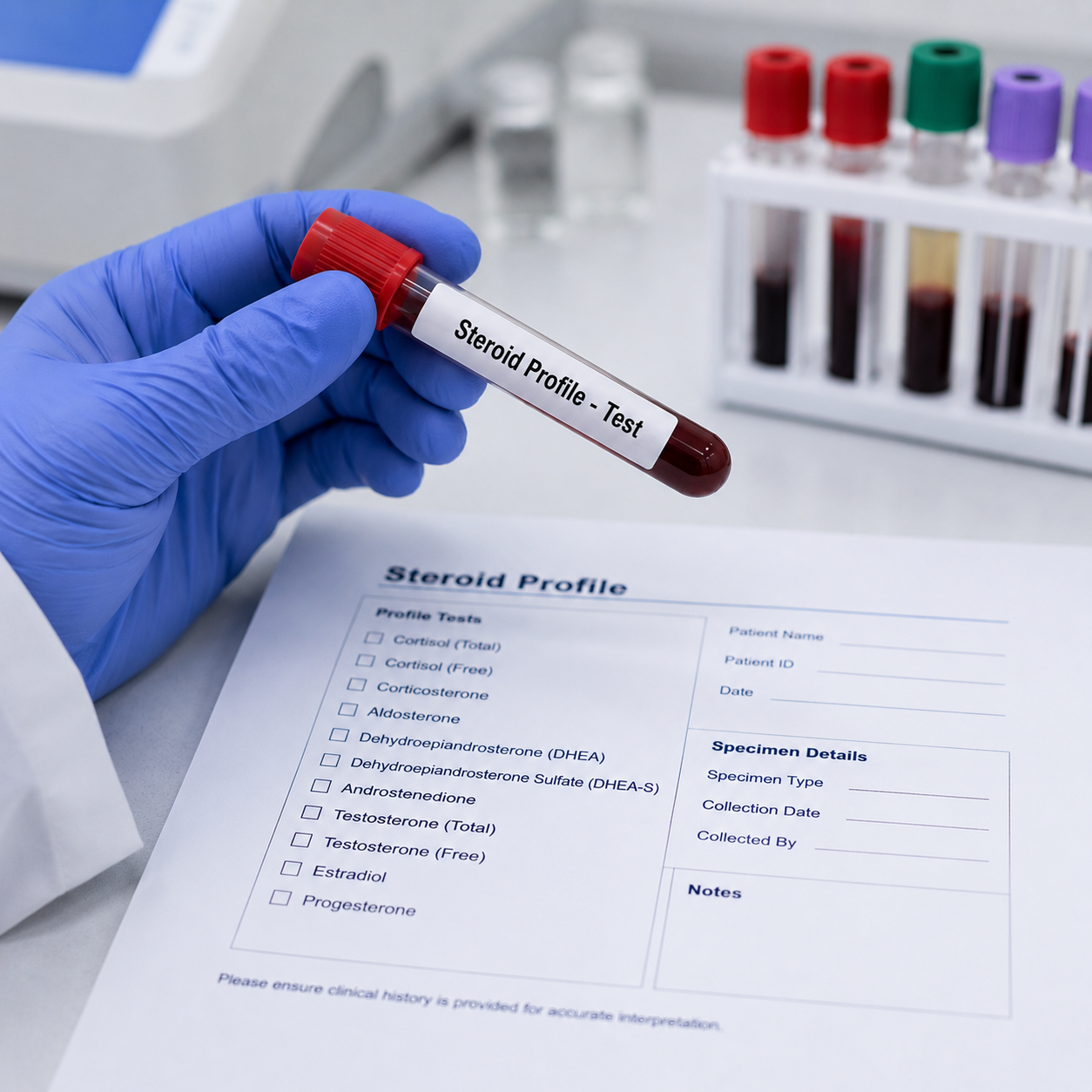
The transition from burnout to depression happens when the depletion becomes so severe that the brain's reward and stress-regulation systems are physically altered. Prolonged cortisol elevation the stress hormone disrupts serotonin and dopamine pathways, creating the neurobiological substrate of depression. This is why Dr. Balu Pitchiah's functional psychiatry approach includes cortisol and adrenal function testing for patients presenting with suspected burnout.
8. Treatment for Burnout in Dubai
Burnout treatment is fundamentally different from depression treatment. The core principle is recovery and restructuring not simply medication. However, burnout that has advanced to stage 4 or 5 may require clinical support alongside lifestyle intervention.
Work Restructuring
Setting boundaries, reducing workload, addressing workplace dynamics that caused burnout in the first place
Sleep Recovery
Structured sleep hygiene, circadian rhythm reset critical foundation for physical and mental recovery
Cognitive Therapy (CBT)
Identifying and restructuring thought patterns perfectionism, catastrophising, difficulty saying no that sustain burnout
Stress Management
Evidence-based techniques mindfulness, controlled breathing, nervous system regulation strategies
Functional Investigation
Cortisol levels, adrenal function, vitamin D, B12, thyroid nutritional and hormonal factors that worsen burnout
Medication (if needed)
Short-term support for sleep, anxiety, or early depressive symptoms that develop alongside burnout
9. Treatment for Depression in Dubai
Depression is a clinical condition requiring a structured, evidence-based treatment plan. Unlike burnout, rest alone is insufficient and waiting for depression to resolve naturally is associated with longer recovery times and higher relapse rates.
| Treatment | How It Works | When Used |
|---|---|---|
| Antidepressants (SSRIs/SNRIs) | Rebalance serotonin and norepinephrine neurotransmitter systems | Moderate to severe depression effects in 2–6 weeks |
| Cognitive Behavioural Therapy (CBT) | Identifies and restructures negative thought patterns sustaining depression | Mild to moderate equally effective to medication for many |
| Interpersonal Therapy (IPT) | Addresses relationship patterns and life transitions contributing to depression | Depression linked to grief, relationship changes, isolation |
| Functional Medicine Assessment | Investigates hormonal, nutritional, inflammatory factors vitamin D, thyroid, gut health | All new depression presentations at Chughtai Clinic |
| Lifestyle Prescription | Exercise, sleep optimisation, nutrition clinically proven adjuncts to medication and therapy | All patients, integrated into every treatment plan |
| Medication Review | Regular follow-up to assess response, adjust dose, manage side effects | Ongoing throughout treatment every 4–8 weeks initially |
Treatment Success Rate
According to the WHO, more than 80% of people with depression respond to treatment when it is appropriate, evidence-based, and followed consistently. The biggest barrier to recovery in Dubai is not the absence of treatment it is the delay in seeking it. Early intervention consistently leads to better outcomes.
10. When to See a Psychiatrist for Burnout or Depression in Dubai
Warning Signs Book a Psychiatric Consultation
4+ Weeks Exhausted
Rest not helping
still depleted
Work Impossible
Cannot complete
basic daily tasks
Mood Not Lifting
Low mood persists
even on holidays
No Pleasure Anywhere
Lost interest in hobbies,
relationships, everything
Sleep Destroyed
Chronic insomnia or
sleeping excessively
Using Alcohol to Cope
Increasing reliance on
substances to function
Worthlessness
Feeling like a failure
as a person
Thoughts of Self-Harm
Seek help immediately:
+971 52 619 8738
11. The Functional Psychiatry Approach to Burnout and Depression at Chughtai Clinic
What makes the approach at Chughtai Clinic Dubai different from a standard psychiatric consultation is the lens through which burnout and depression are assessed. Dr. Balu Pitchiah uses a functional psychiatry framework which means that alongside conventional psychiatric assessment, the following are routinely investigated:
| Factor | Why It Matters in Burnout / Depression | How It Is Assessed |
|---|---|---|
| Cortisol and Adrenal Function | Chronic stress dysregulates cortisol contributing to both burnout exhaustion and depressive biology | Morning cortisol blood test, symptom pattern analysis |
| Thyroid Function | Hypothyroidism mimics depression fatigue, low mood, cognitive slowing. Often missed | TSH, Free T3, Free T4 blood panel |
| Vitamin D | Deficiency highly prevalent in Dubai's indoor population strongly linked to depression and fatigue | 25-OH Vitamin D blood test |
| Vitamin B12 and Folate | Essential for serotonin and dopamine synthesis deficiency causes low mood and cognitive fog | B12 and folate blood test |
| Iron and Ferritin | Iron deficiency anaemia causes fatigue often mistaken for burnout or depression | Full blood count, ferritin |
| Sleep Architecture | Sleep disruption accelerates both burnout and depression and is often both a symptom and cause | Clinical history, sleep diary, referral for sleep study if indicated |
| Inflammatory Markers | Elevated systemic inflammation is increasingly linked to treatment-resistant depression | CRP, ESR in relevant presentations |
Why This Matters for Dubai Patients
In Dr. Balu Pitchiah's experience, a significant proportion of patients presenting with "burnout" or "depression" in Dubai have underlying nutritional deficiencies particularly Vitamin D (due to limited outdoor time), B12, and iron that are amplifying their symptoms dramatically. Addressing these alongside psychological treatment significantly accelerates recovery and reduces reliance on medication.
Not Sure If It Is Burnout or Depression?
A single consultation with Dr. Balu Pitchiah at Chughtai Clinic Dubai provides a clear answer and a structured plan to recover. Do not wait months to find out.
Book Appointment
WhatsApp: +971 52 619 8738
Frequently Asked Questions
What is the difference between burnout and depression?
Burnout is primarily caused by chronic workplace stress and improves with rest and removal from the stressor. Depression is a clinical condition affecting all areas of life work, relationships, and sense of self and does not resolve with rest alone. Burnout can develop into clinical depression if left untreated.
Can burnout turn into depression?
Yes. Prolonged burnout is a significant risk factor for developing clinical depression. When burnout is left untreated for months, the persistent exhaustion, hopelessness, and loss of meaning can transition into a depressive disorder requiring clinical treatment.
How is burnout treated in Dubai?
Burnout treatment in Dubai includes work-life restructuring, stress management therapy, sleep and lifestyle optimisation, and in some cases short-term medication. A functional psychiatrist like Dr. Balu Pitchiah at Chughtai Clinic DHCC also investigates underlying factors including cortisol dysregulation, nutritional deficiencies, and hormonal imbalances.
When should I see a psychiatrist for burnout in Dubai?
See a psychiatrist if burnout symptoms have persisted for more than 4 weeks, if you are unable to function at work or home, if symptoms include persistent low mood, hopelessness, or thoughts of self-harm, or if rest and time off have not provided relief.
Is burnout a medical condition in Dubai?
Yes. The WHO officially classified burnout as an occupational phenomenon in ICD-11 (2019), describing it as chronic workplace stress that has not been successfully managed. While not classified as a medical disease, it is a recognised health condition requiring professional assessment and treatment.
Conclusion
Burnout and depression are not the same condition but in Dubai's relentlessly demanding environment, they are deeply connected. Burnout left untreated becomes depression. Depression misdiagnosed as burnout goes untreated. Either outcome means months of unnecessary suffering.
The answer is not to push through, book a holiday, or assume things will resolve on their own. The answer is a clear, professional assessment by someone who understands both the clinical picture and the specific pressures of life in Dubai.
At Chughtai Clinic Dubai Healthcare City, Dr. Balu Pitchiah provides exactly that a thorough functional psychiatric evaluation, an honest diagnosis, and a structured, personalised recovery plan. Whether it is burnout, depression, or something in between the path forward starts with one conversation.